
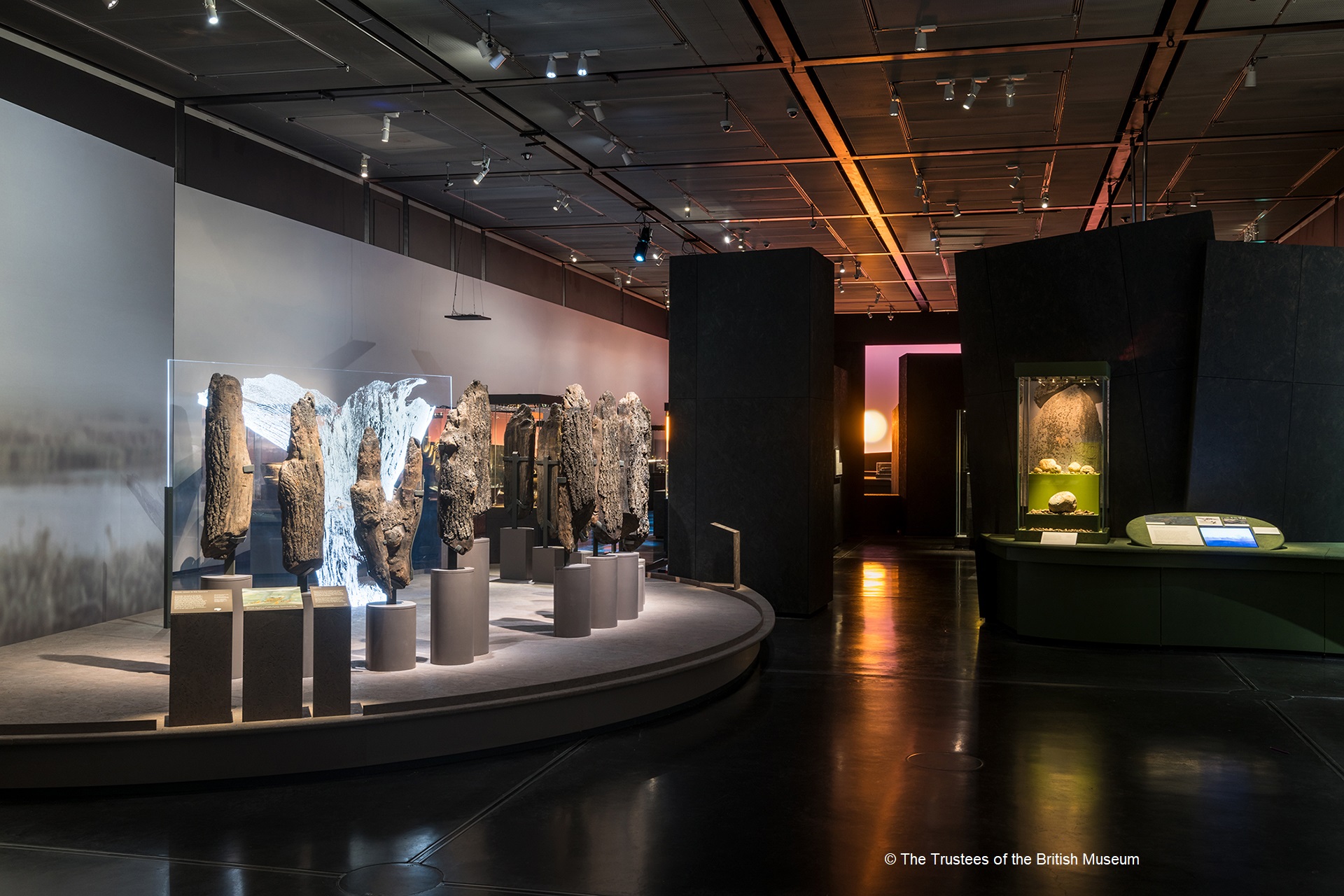
The British Museum’s The world of Stonehenge exhibition, co-curated by a Reading archaeologist, has given a million people a window into the lives of prehistoric communities, through artefacts, soundscapes and events. Its legacy of online lectures, research and exhibition book continues to shed light on the world that brought monuments like Stonehenge into being.
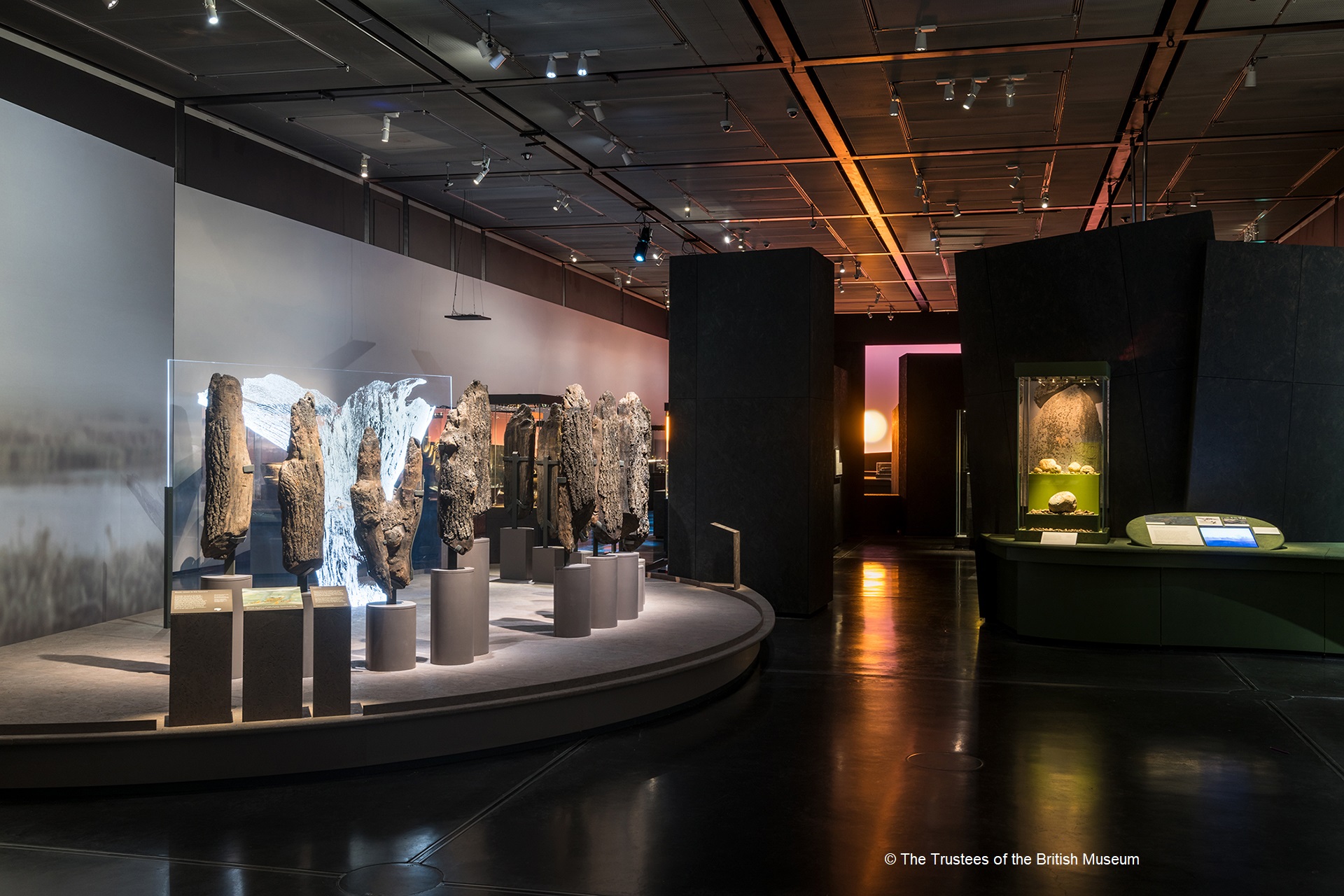
Over a million people have gazed into prehistory through the British Museum’s ’The world of Stonehenge’ exhibition and its outreach activities, co-curated by Reading archaeologist Professor Duncan Garrow and the Museum’s Dr Neil Wilkin.
Using Stonehenge’s global fame to draw visitors into the wider prehistoric world, the highly acclaimed 2022 exhibition explored the travel and technologies of prehistoric people, how beliefs and materials were shared across Europe and their links with the natural world – from stone and wood to sea and sky. Soundscapes, projections and artefacts came together to transport visitors across the millennia.
Over 190,000 people came through the Museum’s doors, and hundreds of thousands more have been to events and watched online lectures. One talk, ‘Stonehenge’s Richest Man’, a collaboration with Devizes Museum, has been enjoyed 182,000 times. Others attended events for schools, families and other groups, including sign language tours and community previews for homeless charities.
The world of Stonehenge’s legacy continues. Garrow and Wilkin’s critically acclaimed exhibition book has sold over 20,000 copies. The pair are collaborating on new UKRI-funded research, using the exhibition as a research site to re-think symbols of power at the time of Stonehenge, and exploring innovative, alternative ways of presenting our prehistoric past within museums in future.
“The exhibition book was absolutely key to the delivery and legacy of the World of Stonehenge project, feeding cutting-edge research into what became a hugely successful show that reached hundreds of thousands of people.” — Neil Wilkin, British Museum
Funders:
- University of Reading/British Museum joint development fund
- Arts and Humanities Research Council (AHRC)