

Background
Participatory Action Research (PAR) has been delivered and developed at the University of Reading for more than 10 years. Through a dedicated team of academic and community researchers, PAR projects have delivered wide-ranging impacts both internally at the University and across Reading’s diverse but seldom heard, minoritised communities. We aim to address social inequalities and drive change through co-created evidence-based research and advocacy.1
As part of a series of reflective pieces, and with a particular focus on the Community Led Research Pilot (CLRP) with British Science Association and UK Research and Innovation (UKRI), Dr Alice Mpofu-Coles and Dr Sally Lloyd-Evans share their experiences of navigating the everyday ethical practices that arise from working with interdisciplinary teams of academics, community organisations and community researchers.
Introduction
The need for more equitable and inclusive practices in community engaged research is a frequently discussed issue among communities, funders, organisations, and researchers, yet the pace of change within institutions remains slow. Working ethically and equitably are central principles that shape participatory research approaches but there remains a gap in researchers’ skills and capabilities, particularly outside the arts, humanities and social sciences. A useful starting point for this discussion is a report produced by The Institute of Community Studies and Young Foundation’s on Ethics in Citizen Science that identified two overlapping ethical processes that we have found helpful in navigating this topic – the procedural processes that govern the institutional ethics approval systems and the practices that need to be embedded in the everyday working relationships, collaborations and power relations that underpin engaged research. This report, and others, have long been advocating for a focus on everyday practices. However, in many research institutions, ethics is still viewed through the lens of institutional governance and formal approval procedures that can unintentionally maintain inequitable, extractive processes in knowledge production and dissemination. When engaging with communities—especially those from marginalised and seldom-heard backgrounds—we know that ethics must extend far beyond mere compliance, but there is often little training or support. Everyday ethical practice is a living, relational process, rooted in humility, responsiveness, care, safety, transparency, and accountability. It is not static; it is reflexive, dynamic, and contextually grounded, and it must start with the everyday.
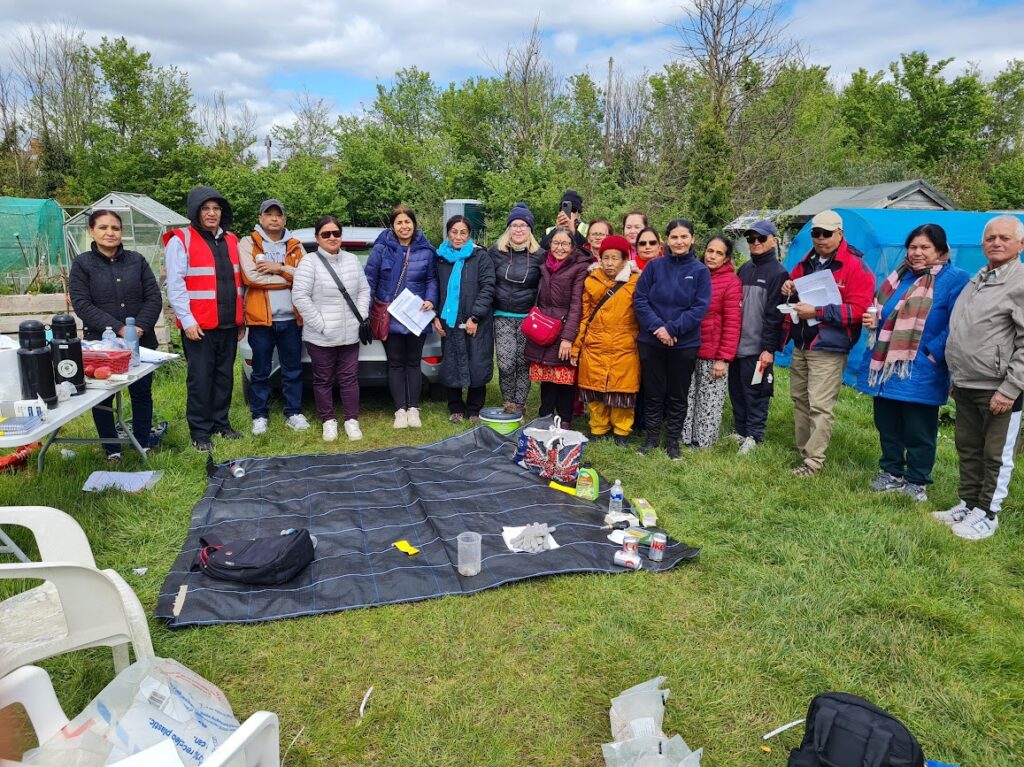
Everyday ethics: Beyond procedural norms
Everyday ethics focuses on developing research practices that pay attention to a set of values and principles around power, inclusion, care, safety, value, and trust, which form the basis for developing equitable partnerships. Understanding what we mean by ‘ethics’ is important, as academic researchers often associate it with formal institutional processes that happen towards the start of a research project rather than a dynamic, everyday code of conduct that should be co-designed, critical, and constantly reflected upon and revisited. From valuing communities and those with lived experiences as ‘experts’, to paying communities fairly for their research contributions and crediting them equally in outputs and intellectual property (IP), being ‘ethical’ begins with acknowledging that researching with communities requires considerable investment of time, training, skill and reflection to co-create an equitable research programme, which feels safe and inclusive, respectful and mutually beneficial.
Community researchers and organisations tell us that formal procedures (like university ethical review boards) may not fully capture the real-world complexities of engaging with people’s lives, and academic researchers can also be impacted by the ‘tightrope’ they walk in the interest of maintaining integrity, ethical responsibility and governance via institutional procedures, which does not prepare them for the reality of practice2. Researchers and community groups alike talk about the tension between “academia vs the real world” as the realities of lived experience and inequity, historical mistrust, positionality, and power dynamics often fall outside formal ethical procedures. Many community groups had experienced a form of extraction when working with universities, which they described as a one-way harvest of information, data, and knowledge used for academic impact rather than a shared journey of mutual collaboration.
When researching with communities, we would advocate that consideration of ethics should be co-created with organisations and partners from the start. Researchers should consider co-creating a “daily ethics” approach—asking not only “is this compliant?” but also “is this just, kind, and respectful?”. This often involves:
- Funded time for all partners to discuss shared understandings of what ‘good practice’ looks like
- Co-creating a relational, people-centred ethical code of practice that acknowledges histories, conflict, inherited inequalities and tensions in communities
- Respecting individuals and communities’ time, context, and positionality
- Navigating complex issues around power, management, expectations and intended outputs
- Discuss what ‘being extractive’ looks like and consider the outcomes and actions needed by communities
- Being aware of one’s own unconscious biases, privilege and positionality; engaging in anti-oppression training and trauma-informed practices when appropriate
- Identifying and funding training and capacity building needs and specialist support
- Prioritising care and wellbeing through ‘do no harm’ to communities via a focus on supervision, debriefing, reflection and therapeutic support for all involved; community research can be exhausting and done during unorthodox times
- Develop a framework for conflict management – don’t be afraid to push pause
- Co-creating risk assessments and safeguarding strategies with communities, as we know their needs; identify specialist resources to support and signpost
Navigating institutional structures and ethical tensions
Alongside the everyday, a recurring theme is the disconnect between academic ethical compliance systems and community ethical realities. Institutional procedures are based on the belief that research institutions are best qualified to govern research ethics, but we know that community organisations have their own ethical standards and are often best placed to determine what ‘good’ ethical practice looks like. Other tensions include historical biases stemming from colonial prejudice that determine whether research in so-called ‘dangerous’ Majority Worlds is ‘safe’ as well as assumptions about which communities might be seen as ‘vulnerable’. Combined with a lack of funding and easy administration for participant expenses and provision of food and refreshments, particularly in economically disadvantaged communities, such barriers create a power imbalance and leave communities that have volunteered their time discontented and upset. Acknowledging any structural biases and potential tensions and defining reciprocity is needed at the outset. In our experience, ethical committees that are based in departments are supportive and responsive, but they are often working with inflexible institutional frameworks.
There are also language barriers, not only for communities for whom English is a second language, but also in the use of exclusionary terminology. Ethics forms tend to be ‘one size fits all’, and not always adaptable to the cultural and geographical contexts of communities, while ethics boards may have inflexible timeframes. This was problematic in the CLRP as we were working with multiple ethics procedures across the university with different forms, timeframes and guidelines. Preparing laboratory risk assessments that enable community researchers to lead experiments safely is complex and time-consuming and adds another layer of complexity when working in scientific research.
Other issues that researchers might have to navigate include:
- Increasing academic workloads and pressures for outputs (e.g. peer-reviewed publications for the Research Excellence Framework) that can conflict with the time it takes to foster ethical engagement, which includes weekend/evening working
- The gap between safeguarding vs the everyday — doing no harm versus actively nurturing and supporting thriving community-university projects
- Institutional legal structures and inflexible contracts which prevent Intellectual Property (IP) rights from remaining with the communities
- Gatekeeping can be a barrier in both universities and organisations
- Lack of equitable remuneration for participants and community researchers, and if there is, payment and contract processes are centralised and complex.
This underscores the need for institutions to value better community-led research, not just in principle, but through funding, recognition, and supportive policies that address power imbalances and embed processes that are flexible, inclusive and suitable for researching in today’s diverse world. Some institutions are exploring ways of co-creating multi-partner ethics committees with local organisations, citizens and other stakeholders.
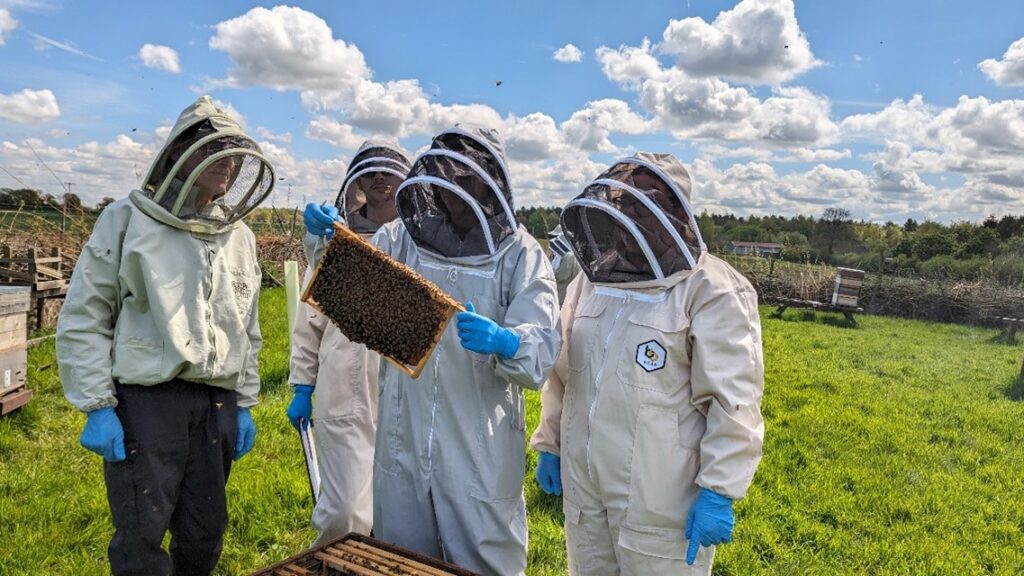
Equity, inclusion, and power-sharing
Ethical research should be fair and equitable, meaning it actively seeks to dismantle hierarchies in power relations and decision-making. Co-creation, cultural awareness, and valuing lived experience are not add-ons but core ethical principles. Civic university networks, Equality, Diversity, Inclusion and Accessibility (EDIA), Athena Swan, and the University of Sanctuary are now integral to the strategic priorities of many universities. However, these higher-level agendas don’t always filter down to community research agendas on the ground. So, what practical steps can individuals and groups take?
- Be accountable to the communities you work with — not just institutions
- Engage in community development and anti-oppression training for everyone
- Openness and being valued are important for all; communities may feel their research contributions are not equally valued in academia, and academic researchers specialising in community-led and participatory methods may also feel undervalued – what can you do to change this?
- Constantly check power imbalances and share the power; don’t be afraid to ask questions and be open when things go wrong
- Use appropriate written and spoken language, terminology and approaches
- Avoid tokenistic work, primarily with those from racially minoritised and refugee backgrounds – if it can’t be undertaken ethically and carefully, then consider not doing the research
The ripple effect: anticipating consequences and unpredictable risk
Everything we’ve discussed so far can lead to a tendency for researchers to adopt risk-averse ethical strategies, as “you can’t always predict risks,” and this leaves them feeling fearful of embarking on participatory and community-led projects. As we note and suggest, ethical dilemmas often arise unexpectedly, in instant processes when a researcher must make quick decisions. Participatory research requires the fluidity of ethics without gatekeeping from academic space, allowing for equitable, fair, confidential, inclusive, accessible, and safe ways of working. While risk assessments are essential for safeguarding, not all risks can be predicted, and this can be difficult for researchers to navigate in the field. Sometimes it is at the researcher’s or community’s discretion to come up with rules of engagement or procedures that suit a particular context. It might be when there is a risk of racism, sexism, classism, homophobia, ableism or other protected characteristics that can be complex and require a quick response to mitigate harm. Risk-averse behaviour can become the norm due to justified fears around legality and data protection, but for the research to be successful and yield rich, authentic data, there is sometimes a need to take a risk. In our practice, we try adopting the following strategies:
- Accept some levels of uncertainty and unpredictability and openly discuss how you might anticipate and address this with communities; risk registers can help
- Build in regular reflection and review moments through the research journey – pausing to reassess and pivot as needed
- Co-creation, transparency, and responsiveness can help safeguard against risks; dedicate time for codes of conduct, shared rules of engagement and transparent communication over expectations, roles, and limitations
- Embed an ethic of care into support for all partners and actively promote wellbeing
- Recognise that unintended consequences may emerge and require listening, flexibility, and repair for researchers as well as communities
- Respect persons with lived experience and be aware of your positionality; be mindful of re-traumatisation when researching sensitive issues and take steps to mitigate
- Safety first – co-create risk assessment with the communities, being aware of trauma-informed approaches where necessary
- Discuss dissemination and feedback at the outset and consider supporting communities to demonstrate impact when you step away
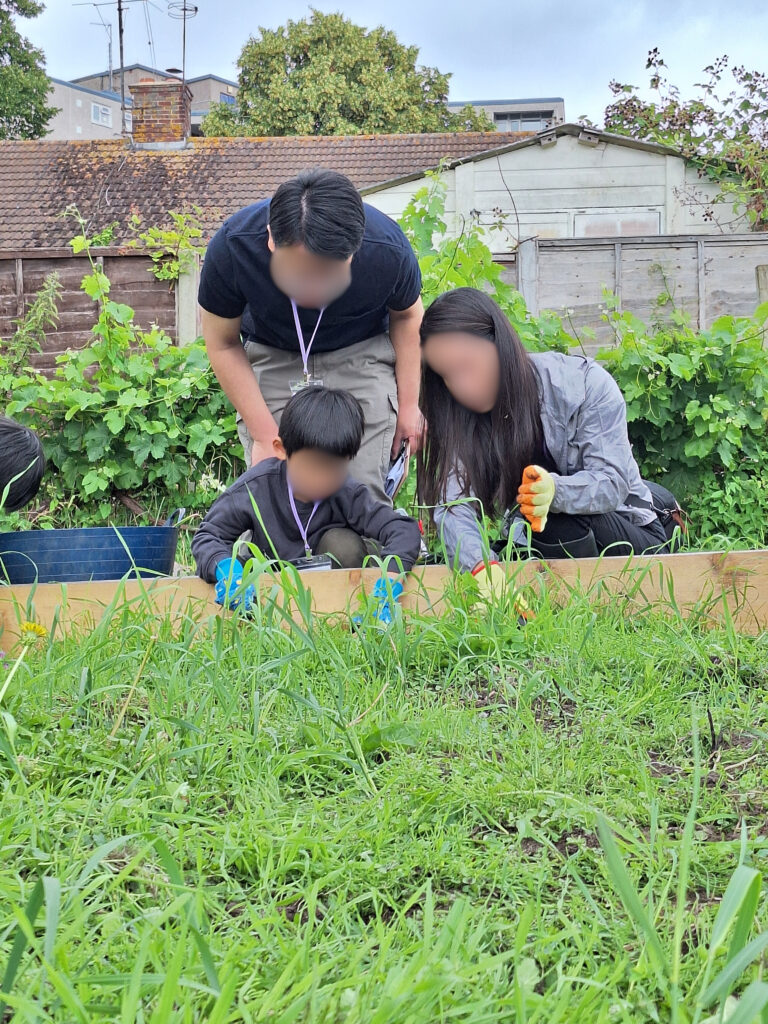
Ethics as a relationship: trust, dignity, and sensitivity
Perhaps most powerfully, ethical practice is about relationships. Trust is not given—it is earned through using participatory and community development methods of engagement with participants. There is a need to build relationships before embarking on initial research by respectfully entering the spaces where participants engage in their daily lives. There are no ‘hard to reach’ communities, but a lack of ethical practices that forge meaningful relationships, shared language and respect causes communities to distrust and not engage. Snowballing creative and participatory approaches provide networking opportunities and flexibility to engage, particularly with those who might be seen as vulnerable, stigmatised, and sensitive. Creating the spaces for these informal and spur-of-the-moment encounters sometimes goes against traditional ethical procedures, which often ask for detailed activity plans upfront, but they are essential.
Dignifying participants means:
- Listening before acting
- Engaging with them in their own spaces and times
- Using inclusive language and methods; arts-based and creative methods are a great way to build trust and relationships and removing the barrier academic jargon
- Understanding when to step back, especially when “scaling up” might disrupt community safety
Ethics, then, is not just a process—it is a commitment to everyday care, integrity, and justice, especially when working in contexts marked by trauma, marginalisation, discrimination, racialised identities and inherited tension.
Conclusion
Ethical practice, particularly in community led research, is not a one-size-fits-all formula. It is a sensitive, adaptive, and ongoing negotiation of rights, responsibilities, relationships, and realities. It’s a shared journey of learning that requires courage to challenge institutional norms, humility to listen, and a commitment to ‘do no harm’. Everyday ethics must be defined with, not for, the communities we work alongside.
The Community Led Research Pilot (CLRP) was a programme of six projects which were co-created between community groups across Reading and Slough, the University of Reading (UoR), the British Science Association (BSA), and funded by UK Research and Innovation (UKRI). The CLRP was designed to position diverse communities at the heart of the research process, shaping and developing their own research questions, hoping to address community need, priorities, and development goals.
For more information on Participatory Action Research at University of Reading, please contact:
Dr Sally Lloyd-Evans – s.lloyd-evans@reading.ac.uk
Dr Alice Mpofu-Coles – alice.mpofu-coles@reading.ac.uk
[1] Lloyd-Evans et.al 2023. Participatory Action Research: a toolkit https://doi.org/10.48683/1926.00113719
[2] Wilson, E., Kenny, A. and Dickson-Swift, V., 2018. Ethical challenges of community based participatory research: exploring researchers’ experience. International Journal of Social Research Methodology, 21(1), pp.7-24.