Alex Kelk is currently studying for an MSc in Urban Analytics at the University of Glasgow, having completed a BSc in Human and Physical Geography at the University of Reading. Whilst at Reading, Alex worked on the UKRI-funded Food Systems Equality project, FoodSEqual, which sparked his interest into the influence of environmental factors on health inequalities. Here, Alex shares his experiences and the impact of incorporating community engagement and Participatory Action Research into his undergraduate degree.
You can find out more about Alex’s research via this report, Examining Factors Facilitating Fast Food Consumption in Whitley.
Whilst studying for my BSc in Human and Physical Geography at the University of Reading, I undertook a research placement exploring food security and factors facilitating fast food consumption. My work contributed to a series of reports published by the Food Systems Equality project (FoodSEqual), a UKRI-funded research consortium whose primary objective it is to provide citizens of culturally-diverse disadvantaged communities with choice and agency over the food they consume. Here I reflect on the skills I developed and the opportunities I was provided during my placement.
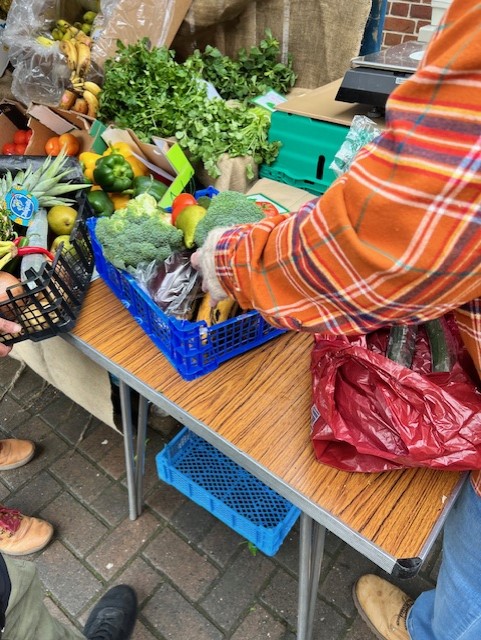
The primary purpose of my research placement was to map user data of a surplus food redistribution project in order for more to be understood about food access inequality in Whitley. Having started mapping, I began to notice trends in the data: particular hotspots of activity and consistencies within the user demographic. I was intrigued as to what factors determined likelihood to require food aid assistance, such as food banks. Rather than dismissing my inquiry, my project supervisor (Dr Sally Lloyd-Evans) encouraged me to investigate further. As my initial project progressed and evolved into a follow-up report, I was continually provided with the opportunity to practise my critical thinking skills, which were further enhanced when I was introduced to the notion of reflexivity, the practice of addressing the influence that bias has in the production of research. Ultimately this enabled me to develop more analytical work and achieve better results in my undergraduate work.
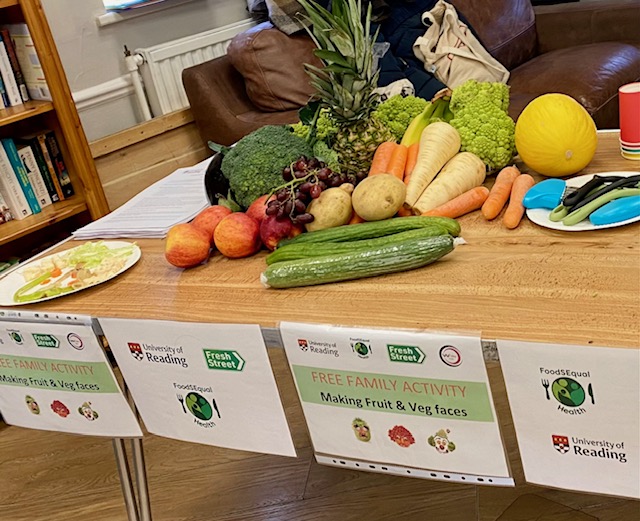
Not only did the freedom to shape the direction of my research and reflect on it support my ability to produce high-level essays, so too did the practice of writing reports. Research requires the continual process of drafting and refining your work through which I learned to communicate my ideas in a more clear and concise manner.
Beyond developing my skills in writing and critical thinking, my university work was also improved through exposure to barriers within community research, where data collection is often challenging due to the rhythm of the community being different to that of academia. Overcoming this challenge (through the adoption of a more flexible approach to fieldwork) later helped me to manage the workload of my dissertation and taught me valuable life lessons surrounding time management that I will take forward with me into future employment.
As part of my undergraduate research placement I worked simultaneously with quantitative and qualitative data, enabling me to develop a comprehensive understanding of interdisciplinary research practices. Mixed-methods approaches to research are highly valued in academia and industry for their capacity to generate more meaningful interpretations of numerical data and situate lived experiences within a wider context. Engaging in this type of research allowed me to enrich my CV and enhance my application for postgraduate study.
One of the opportunities I was afforded as part of my placement, was to take part in a fully-funded, accredited course on community development exploring themes of inclusivity, accessibility and leadership. Community-based research is a highly topical methodology gaining attention across the academic community due to its value in decolonising research and engaging with civic responsibilities. As well as improving my resume, the course allowed me to learn directly from professionals specialising in community based research, deepening my understanding of how collaboration with local communities can result in more effective solutions to complex social issues.
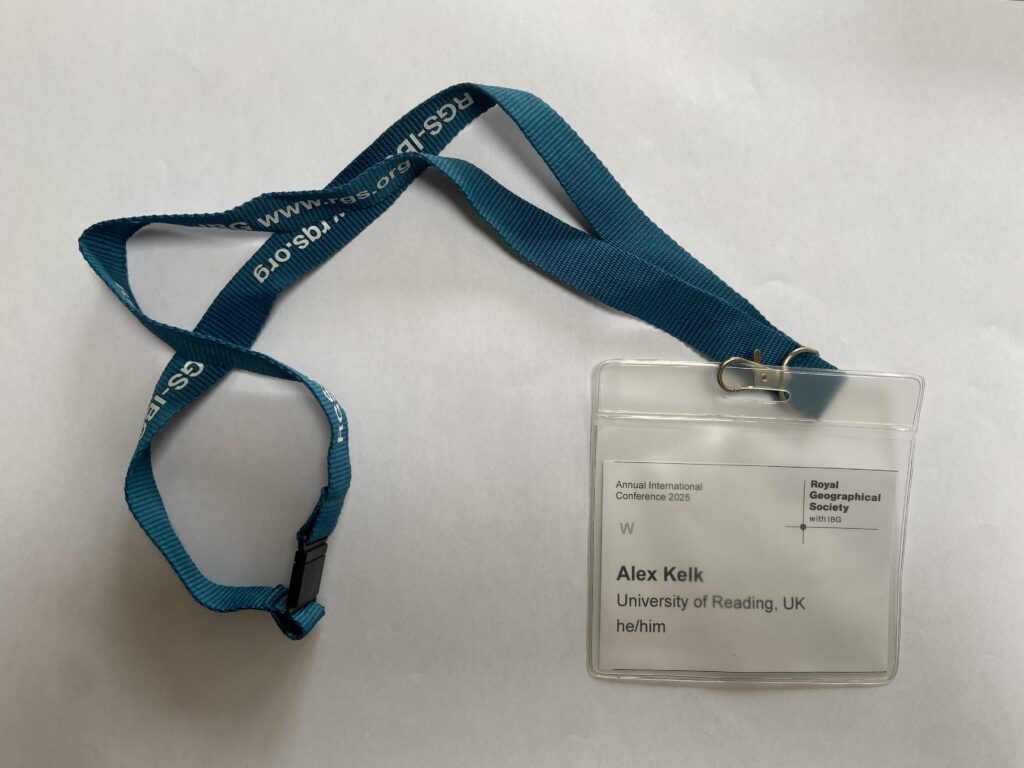
I also had the privilege of attending the Royal Geographical Society‘s Annual International Conference at the University of Birmingham. Whilst at the conference I participated in lectures on authoritarianism, transport geographies and environmental justice, as well as in a series of talks on ‘Creative Responses to Food Poverty’ in which I was exposed to a different school of thought on how to address food insecurity in the UK. The event provided me with the unique opportunity as an undergraduate to connect with academics and researchers working within my particular field of interest. This experience allowed me to recognise my future ambition, set career targets and define a clearer path toward achieving them. Currently, I am studying for an MSc in Urban Data Analytics at the University of Glasgow with the goal of entering into a career in research.
Most importantly, my placement in undergraduate research allowed me to make a real social impact! The discoveries you make as part of your journey can influence future research, spark conversation surrounding policy-making and provide real support to local communities. It can make a real change. YOU can make a real change (…if you choose to do an undergraduate placement at the University of Reading).