
Project Title:
Investigating the effects of prebiotic supplementation on gut permeability and inflammation, cardiometabolic health, and mood and well-being
Project Partners:
- Dr Oliver Gibson, Brunel University of London (PI)
- Professor Adele Costabile, University of Roehampton
- Dr Adam Bruton, Brunel University of London
- Beneo GmbH (Industrial Collaborator)
Research issue, problem, risk or opportunity being addressed:
The primary aim of this project was to quantify the extent to which a prebiotic supplement can diversify the gut microbiota, increase gut resilience to an exercise-heat stress challenge, and attenuate subsequent systemic inflammation. Additionally, the experiment assessed pre-post interventional changes in cardiometabolic health markers and extended preliminary findings reporting altered microbial composition as a mechanism to enhance mood and core cognitive functioning.
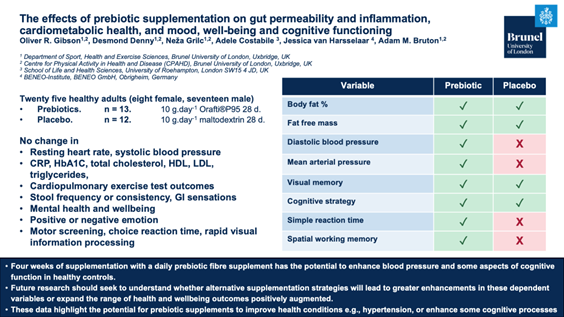
Figure 1. Graphical abstract depicting key outcomes arising from the study.
Project Objectives:
This study successfully investigated in a cohort of 25 participants whether a daily prebiotic fibre supplement (Orafti®P95 oligofructose) improved gut health, inflammation, and physiological responses to stress in healthy, active adults. Using a randomised, counter-balanced parallel design, the participants completed either a 4-week intervention with either the prebiotic or a placebo (maltodextrin). Each participant underwent comprehensive pre- and post-intervention laboratory assessments. Testing included cognitive function, mood, hydration status, microbiome profiling, and blood sampling, alongside measures of body composition, cardiometabolic health, and aerobic fitness.
In addition to delivering an appraisal of these fundamental markers of health and well-being, the study also required participants to undertake a 60 min exercise-heat stress protocol to challenge the gut and temporarily increase gut permeability and inflammation. This trial was included in the experimental design to us to assess whether supplementation mitigated these responses. Outcomes included inflammatory cytokines, gut permeability biomarkers, and microbiota composition, and an array of robust thermophysiological measures.
The study provided novel insights into how prebiotic fibres affect gut integrity and systemic inflammation under physical stress. We believe these data contribute to our understanding of the role of nutritional strategies as interventions that can enhance gut health and enhance resilience to combined environmental and exercise stressors, in addition to supporting overall well-being and performance in active populations.
Project Achievements/Outputs:
Two distinct research outputs are planned for these data. A ‘health-related’ manuscript has been drafted to report the microbial, cardiometabolic and psychological outcomes arising from the study. This paper reports that the group receiving the prebiotic supplementation demonstrated that four weeks of oligofructose supplementation was well tolerated and elicited modest improvements in body mass and reduced diastolic and mean arterial blood pressure. During the cognitive test battery, it was observed that supplementation also enhanced simple reaction time and spatial working memory.
A secondary research output has been partially drafted, reporting the outcomes of the exercise-heat stress trial. The initial analyses demonstrate that the protocol induced gut damage. However, the prebiotic supplementation did not meaningfully alter this outcome or the inflammatory or thermophysiological outcomes.
BENEO GmbH is now utilising these insights to shape future product development and guidance relating to the effective use of prebiotics, and we are seeking further collaborative studies to elucidate outcomes relating to these developments. Due to the commercial sensitivity of the findings, presentation of the results at academic conferences has been postponed; however, dissemination is planned for Q3/Q4 2026.
Encouragingly, one of the research assistants involved in the project has since secured a postdoctoral research position at King’s College London, working on a project employing highly similar protocols and methodologies to those used in the present study. Their experience and contribution to this project likely supported the successful attainment of this role.
Challenges Faced:
One of the primary challenges associated with this project was recruiting a sufficient number of participants to achieve the a priori sample size. The smaller sample may have limited statistical power and reduced the ability to detect meaningful effects between supplement and placebo conditions. To address this in future studies, recruitment strategies are being refined to include broader outreach and more targeted engagement with relevant participant groups.
A further challenge was the high degree of variability observed across several outcome measures, potentially reflecting heterogeneity in participant characteristics as well as the inherent variability of certain assessments, such as cognitive testing. This variability made it more difficult to identify consistent patterns and draw robust conclusions across all outcome variables. In response, future work will place greater emphasis on participant stratification and the adoption of more controlled sampling approaches.
These challenges have prompted important reflection on future study design, with repeated-measures crossover methodologies now being incorporated into subsequent research plans.
Advancing Science:
The project has observed that just 4 weeks of supplementation with a daily prebiotic fibre supplement has the potential to enhance blood pressure in healthy controls. Given these outcomes in a healthy cohort, future research should seek to understand whether more extensive supplementation periods will lead to greater enhancements in these dependent variables or expand the range of cardiometabolic health outcomes positively augmented. In addition, these outcomes highlight the potential for this functional food supplement to ‘treat’ these conditions in specific clinical cohorts, e.g., hypertensives.
The data arising from the exercise-heat stress trial does not provide supporting data for supplementation as a means to mitigate thermoregulatory strain and gut injury in this specific context. However, there is substantial scope to further examine whether this phenomenon is relevant to other population groups e.g,. those with a diagnosed GI disorder, or whether different supplement approaches will elicit different outcomes.
Project Potential:
A newly developed study, currently recruiting participants, aims to investigate the role of prebiotics in improving health and overall well-being among individuals with gastrointestinal disorders, including IBD, Crohn’s disease, and colitis, with the goal of generating evidence for their therapeutic potential. As part of the study, participants with gastrointestinal disorders will also complete an exercise–heat stress protocol to assess whether thermal strain exacerbates symptoms and increases gut permeability in this population.
Building on this work, further collaboration is planned with BENEO GmbH to explore dose–response relationships and variability in outcomes across different patient cohorts. Ongoing discussions have also highlighted the potential to support this research through a match-funded PhD programme at BUoL, supervised by the wider research team.
Following the generation of scientific outputs, opportunities will be explored to disseminate findings to the wider community through both online and in-person engagement activities.
Beneo GmbH Comment:
At BENEO, we believe that well-designed human studies are essential to advance our understanding of how prebiotic fibres influence gut health and overall well-being. This collaboration is a valuable example of how innovative research models, including physiological stress challenges, can help generate deeper insights into the interaction between the gut microbiota, host resilience, and metabolic and mental health.
Dr. Jessica Van Harsselaar. Manager, Nutrition Science. BENEO GmbH
MAY 2025