PRaES Group Co-Leads, Associate Professor
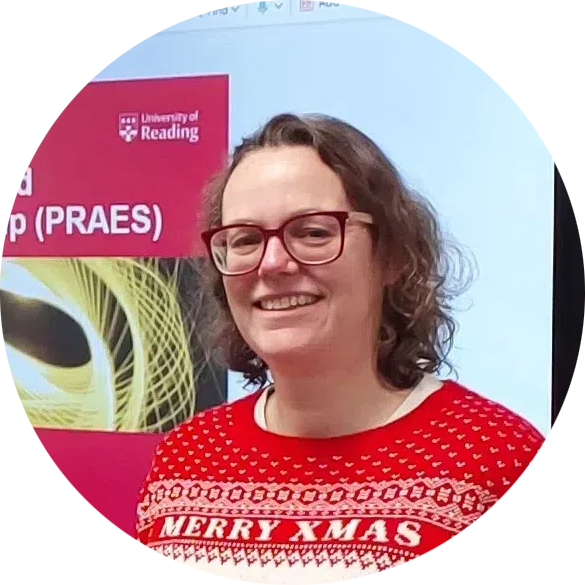
I’m interested in dyslexia and skilled reading in different languages. Recently I’ve been researching ways to accurately identify reading ability in simultaneous multilingual populations, such as found in Malaysia and across SE Asia, and how the specific language profiles might impact such approaches. I am also interested in pedagogical research, with a current focus on neuromyth belief in educators and students.
Publications
- Wong, Y. S., Pye, R., & Chung, K. L. (2024). The roles of interviewing conditions and individual differences in memory and suggestibility: An online interview study. Applied Cognitive Psychology, 38(4), e4231. https://doi.org/10.1002/acp.4231
- Pye, R. E., & Chan, H. H. (2023). Dynamic tests as a language-free method for assessing reading in a multilingual setting. Journal of Cultural Cognitive Science, 7(2), 147–158. https://doi.org/10.1007/s41809-023-00120-8
PRaES Group Co-Leads, Associate Professor
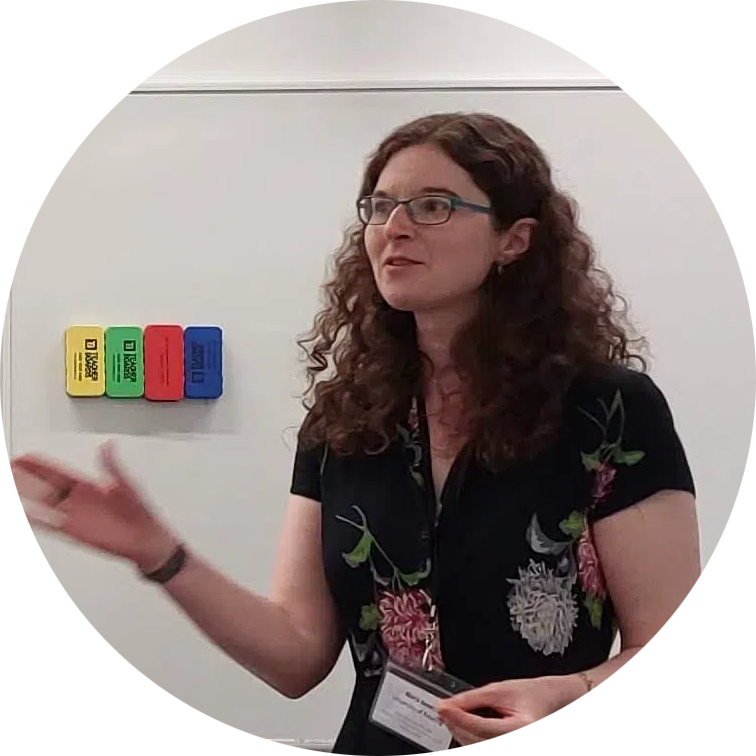
My research is primarily focused upon wellbeing in university students. I have investigated the experiences of students with mental health conditions or who are autistic, including experiences of the transition out of university and the effectiveness of university support. My research has also looked at the use of mentoring and peer support around university transition, including specialist mentoring. In my scholarship practice I am especially interested in embedding wellbeing into the curriculum and research methods teaching.
Publications
- Lucas, R., Cage, E., & James, A. I. (2022). Supporting effective transitions from university to post-graduation for autistic students. Frontiers in Psychology, 12, Article 768429. https://doi.org/10.3389/fpsyg.2021.768429
- Cage, E., James, A., Newell, V., & Lucas, R. (2021). Expectations and experiences of the transition out of university for students with mental health conditions. European Journal of Higher Education, 12(3), 1–23. https://doi.org/10.1080/21568235.2021.1917440
- James, A. (2019). University-school mentoring to support transition into and out of higher education. Psychology Teaching Review, 25(2), 103–107. doi:10.53841/bpsptr.2019.25.2.103
- James, A. (2018). University-school mentoring: Supporting students’ employability and pupils’ transition into higher education. In L. Arnold & L. Norton (Eds.), HEA action research: Sector case studies (pp. 31–37). Higher Education Academy. https://centaur.reading.ac.uk/77619/
- Cowie, H., & James, A. (2016). Peer support in England, Japan, and South Korea. In P. K. Smith, K. Kwak, & Y. Toda (Eds.), School bullying in different cultures: Eastern and Western perspectives (pp. 189–207). Cambridge University Press. doi:10.1017/CBO9781139410878.013
- James, A. (2014). Cross-age mentoring to support A-level pupils’ transition into higher education and undergraduate students’ employability. Psychology Teaching Review, 20(2), 79–94. doi:10.53841/bpsptr.2014.20.2.79
Lecturer
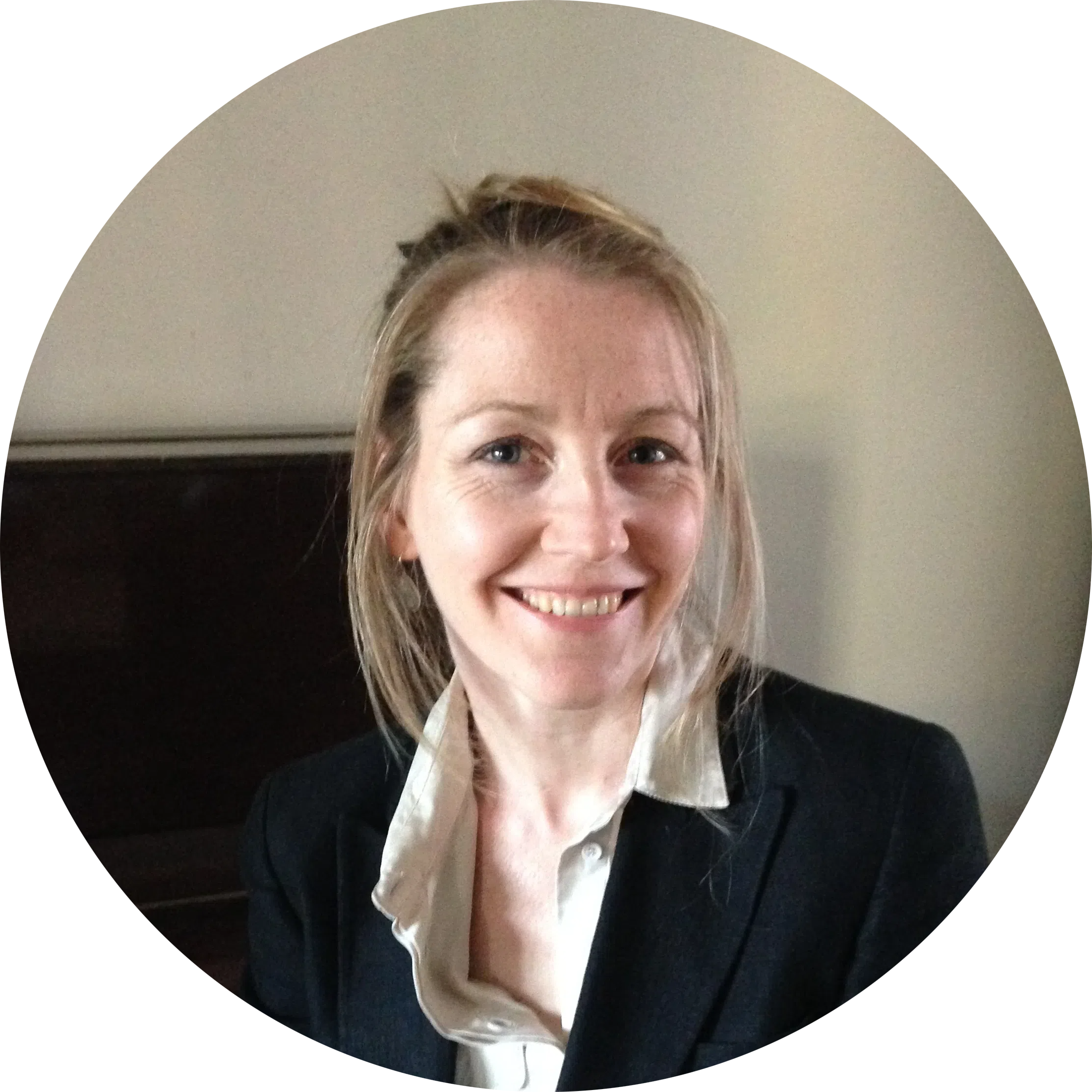
I am a lecturer in Clinical Psychology and senior clinical tutor at Reading University, teaching and supervising trainee cognitive behavioural therapists. I am an associate with Oxford Cognitive Therapy Centre (OCTC) and was previously the Clinical Lead for Cognitive Behavioural Therapies at Healios who provide online therapy for a wide range of young people, predominantly for the NHS. I worked for 13 years in the NHS, spending several years in a specialist service for post-traumatic stress disorder and complex trauma. Prior to qualifying as clinical psychologist, I worked for a number of years in management, commissioning and strategy roles.

PhD Student
My research focuses on employability within higher education, specifically on how students perceived their readiness for the job market and its connection to their mental health and personal attitutudes. I am examining diverse student populations, including those from varied socioeconomic backgrounds and international students.