
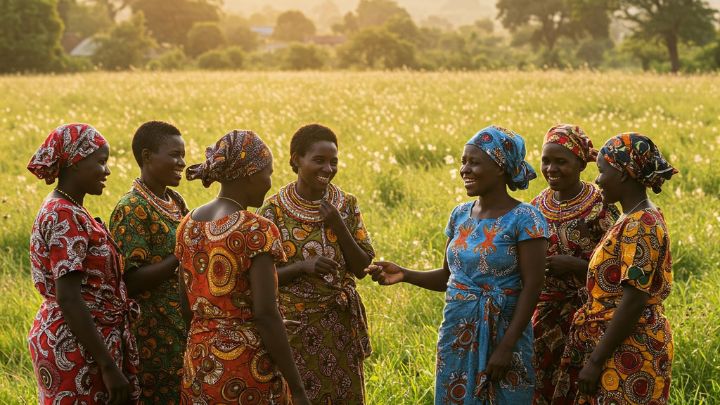

When it comes to climate change, women are facing the brunt of its effects, yet their voices are still missing from the spaces where solutions are shaped.
A recent focus group brought this issue to light, highlighting the harsh reality backed by research: Women and children are 14 times more likely to die during extreme weather disasters than men. These numbers aren’t just statistics, they represent lives disrupted, families torn apart, and futures at risk.
But the impact goes beyond immediate survival. When natural disasters strike, access to essential services like sexual and reproductive healthcare is often disrupted, leaving women particularly vulnerable. In many rural communities, women are responsible for securing food, water, and firewood. As climate change makes these resources scarcer, these everyday tasks become more dangerous, increasing the risk of gender-based violence.
The Leadership Gap in Climate Action
So why, despite being so deeply affected, are women still underrepresented in climate leadership, research, and policymaking?
This was a key question raised in the discussion. Participants pointed out that the lack of female representation in decision-making roles might be directly contributing to the ongoing challenges women face in climate crises.
An Engineer, shared her perspective saying “I looked at different studies and realised that there’s no representation of engineers and even female engineers in policy-making roles.” This realization led her to pursue studies in public policy, recognizing how gender, energy, and climate change are all interconnected.
Similarly, a project manager, stressed the importance of bringing women into the conversation: “It is something very new for Kenya and for Africa, if I may say. I think there are only two other companies that have done that. Being in Kenya and being part of permanent geological carbon storage, I think it’s something wonderful, and I felt the need to sit down here and share that experience.”
Women as Agents of Change
Despite the challenges, one key takeaway from the discussion was clear: Women are not just victims of climate change—they are powerful agents of change. They are the backbone of community resilience, environmental stewardship, and sustainable solutions.
The focus group concluded with a call to action: It’s time to foster a community of practice that amplifies women’s voices and ensures their participation in climate leadership. From research and policy to innovation and activism, more women need to be at the forefront of shaping climate solutions—not just for equity, but for the effectiveness of the fight against climate change itself.
The future of climate action is stronger when women lead. Let’s make sure they have a seat at the table.