

 We are pleased to announce that a second phase of this project has received funding through the ISPF ODA institutional grant.
Our earlier research identified structural, institutional, individual, and gender-related barriers to climate action in Kenya. The new phase broadens this focus by examining education more widely. Although climate action remains central, we recognise that educational inequalities extend beyond climate-related subjects. Barriers to access, participation, progression, and career development can appear in any discipline, and careers linked to climate and sustainability span the sciences, social sciences, humanities, business, policy, engineering, health, and the creative industries.
This phase will explore how education—from school through undergraduate and postgraduate study—shapes students’ opportunities, aspirations, and career pathways. It will also examine how gender and other intersecting factors influence these experiences. A key focus will be the relationship between STEM and climate-related learning, broader educational structures, and labour market opportunities. We aim to understand how inclusive education systems can better support diverse learners to pursue pathways connected to climate, sustainability, and wider development goals.
The project will generate robust, policy-relevant evidence while strengthening research capacity across partner institutions. In line with ODA requirements, planned outputs include open-access datasets, peer‑reviewed publications, and a practical toolkit to help institutions address educational barriers, improve inclusive practices, and promote gender-equitable participation across disciplines.
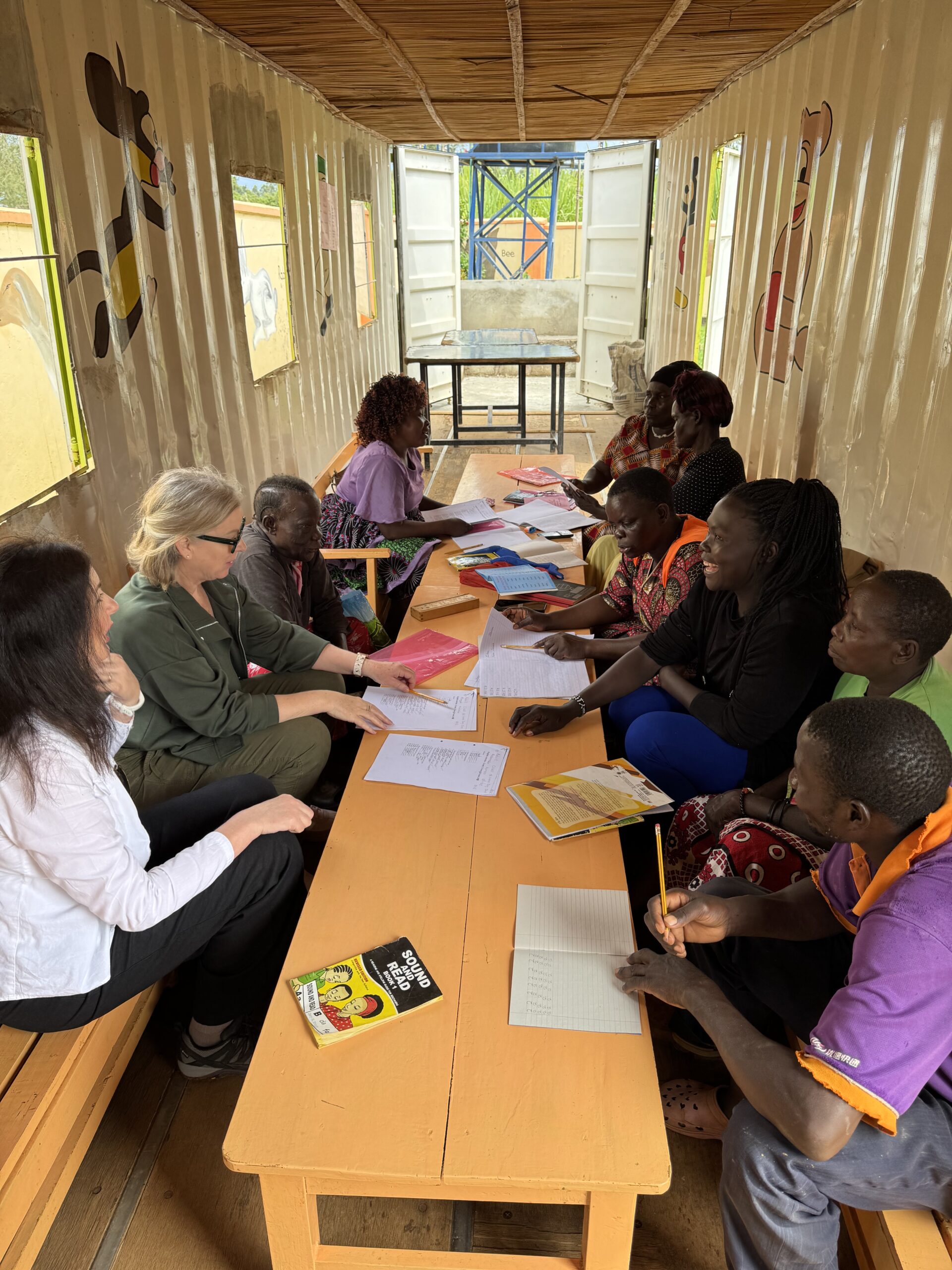
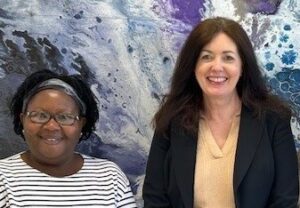
As part of this new phase, Dr Karen Jones and Dr Jo Anna Reed Johnson from the University of Reading will visit the University of Nairobi. Their visit will advance collaborative research, support knowledge exchange, and explore opportunities for long‑term partnership development. They will meet with academic staff, researchers, and institutional leaders to discuss shared priorities, emerging innovations, and potential joint projects, as well as present ongoing work and take part in strategic discussions to foster interdisciplinary collaboration.
This visit marks an important step in strengthening international partnerships, deepening research collaboration, and developing impactful activities that support inclusive education systems and sustainable development.