
High levels of farmer debt and the phenomenon of farmer suicides in India have made finding low-cost agricultural strategies fundamental to rural wellbeing and development. This is combined with the increasing environmental changes, particularly soil degradation, which undermines effective agricultural production. These are formidable challenges which have a disproportionately higher effect on the food security and wellbeing in lower income countries, endangering the achievement of the SDGs.
Andhra Pradesh Community-Managed Natural Farming (APCNF) is a grassroots agrarian movement in Andhra Pradesh, India. It is a low-cost, locally-sourced natural farming method that does not rely on the use of agrochemicals and has the potential to meet the twin goals of global food security and conservation of the environment. Inputs are home made and consist of seed treatments (bijamrita), microbial inoculum (jiwamrita) applied either as a liquid foliar spray or solid top dressing to the soil, and cover crops and/or mulching (achhadana). Amendments consist largely of desi cow dung and urine, among other locally sourced components. In 2020 the program was named from Zero Budget Natural Farming to give better recognition of the farmer centric approach, that supports farmer to farmer extension system and is driven by their innovations.
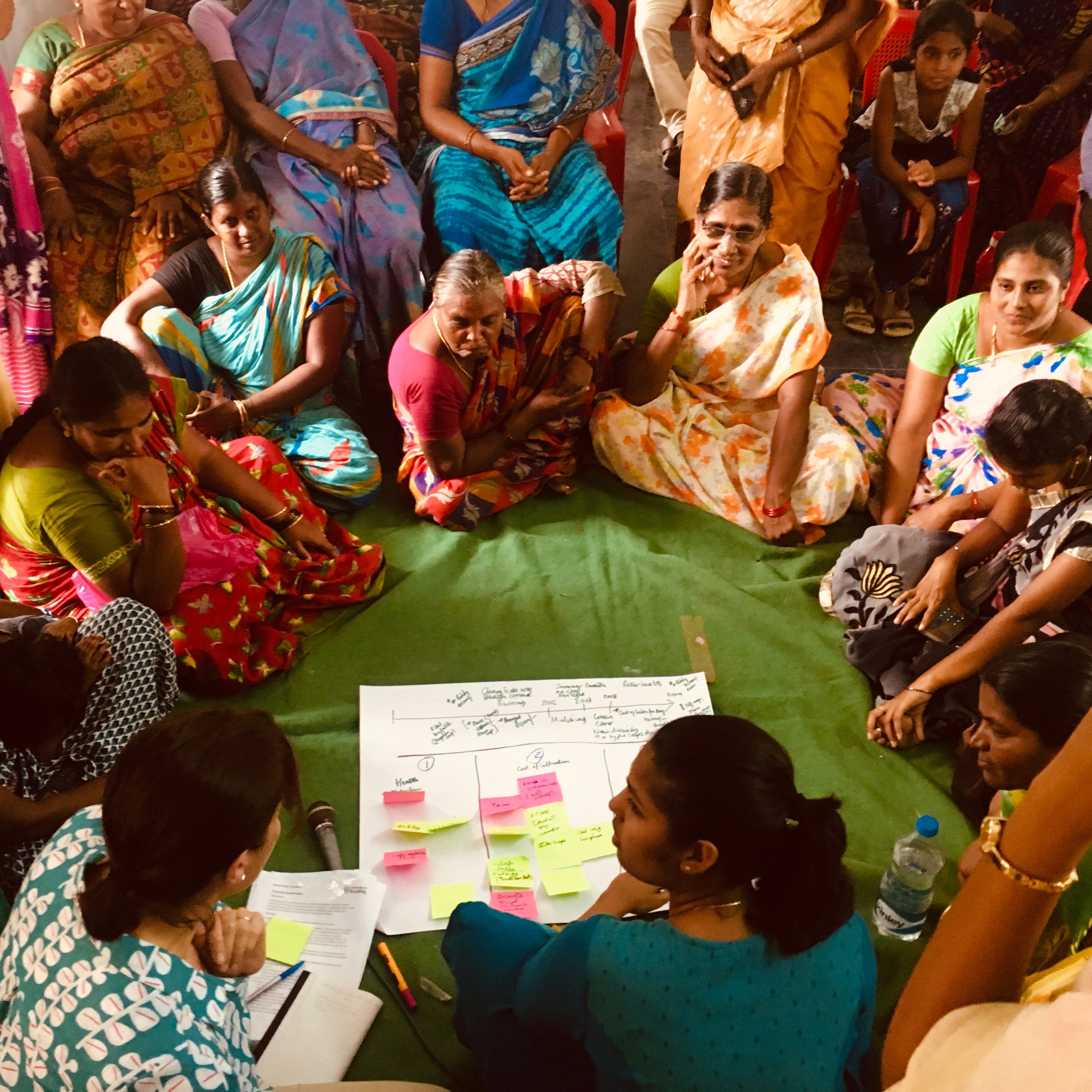
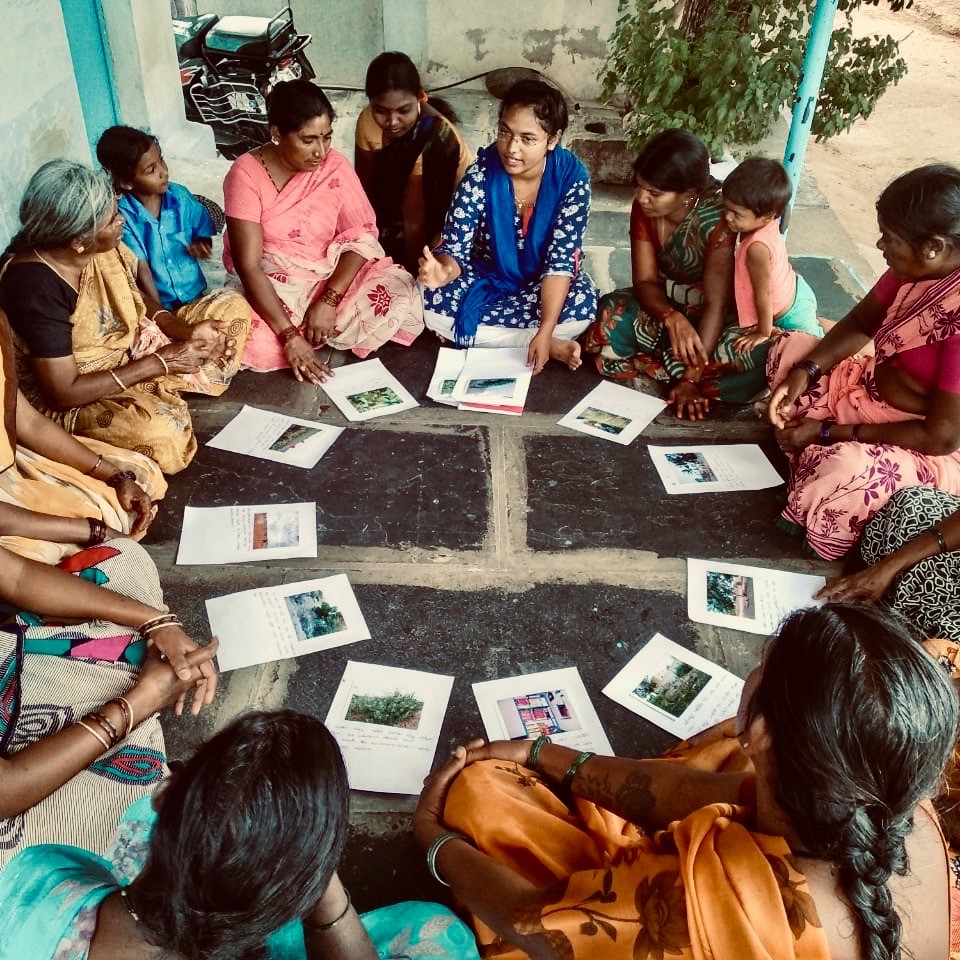
APCNF is being implemented by Rythu Sahikara Samstha, a non-profit organization established by the state government. RySS works through a rural extension model that engages a network of educated and trained farming fellows, resource persons, and champions of the APCNF program to work in village clusters, primarily with women’s self-help groups (SHGs).
An interdisciplinary team of soil and social scientists from the University of Reading are working to develop an evidence base to understand and review the strengths and weaknesses of the APCNF approach, to what extent that success has come from context-specific conditions, and whether there are principles that could be useful in developing best practice in other geographic and cultural areas.
The state government supports APCNF, focusing on scale out to 6 million farmers.