
Welcome to our first Accommodating Diversity in the Workplace newsletter. We are delighted that we have reached the 100 mark for registrations for our webinar series. Thank you to those who attend and engage with the webinar series, the discussions are always very interesting. If you missed it you can find out about and catch up with our 2024/2025 webinar series.
We are just over half way through our 2025/2026 webinar series, 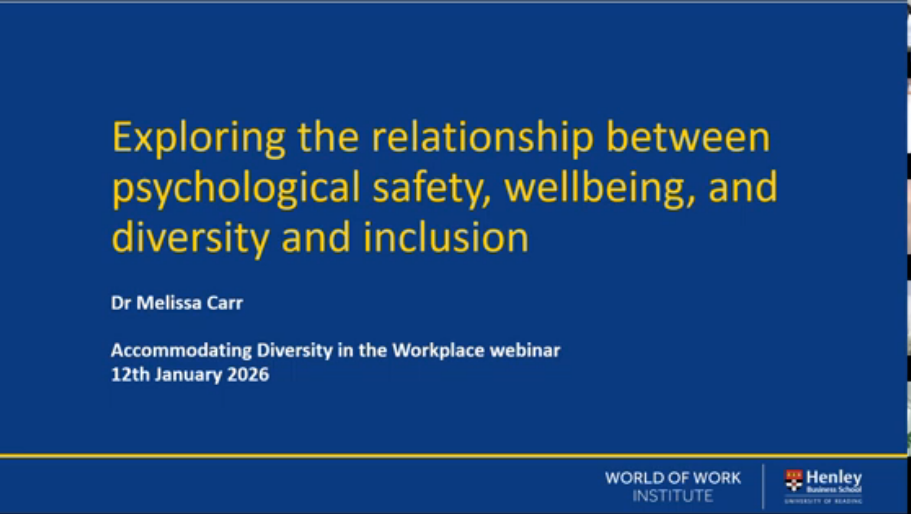 which has discussed topics such as gender and mental health; boosting women’s representation in the workface; gender stereotypes, language and performance; retaining experienced nurses; and our latest topic psychological safety. Thanks to all our wonderful presenters. See below for the topics to come and if you missed any you can catch up here! We are also hosting our 4th Accommodating Diversity in the Workplace Conference, see below for more details.
If you would like to present in our 2026/2027 webinar series or feature anything in our newsletters please contact Professor Sarah Jewell s.l.jewell@reading.ac.uk
Research News
Breastfeeding and Return to Work
As part of a Nuffield Foundation funded project, Professor Sarah Jewell from the School of 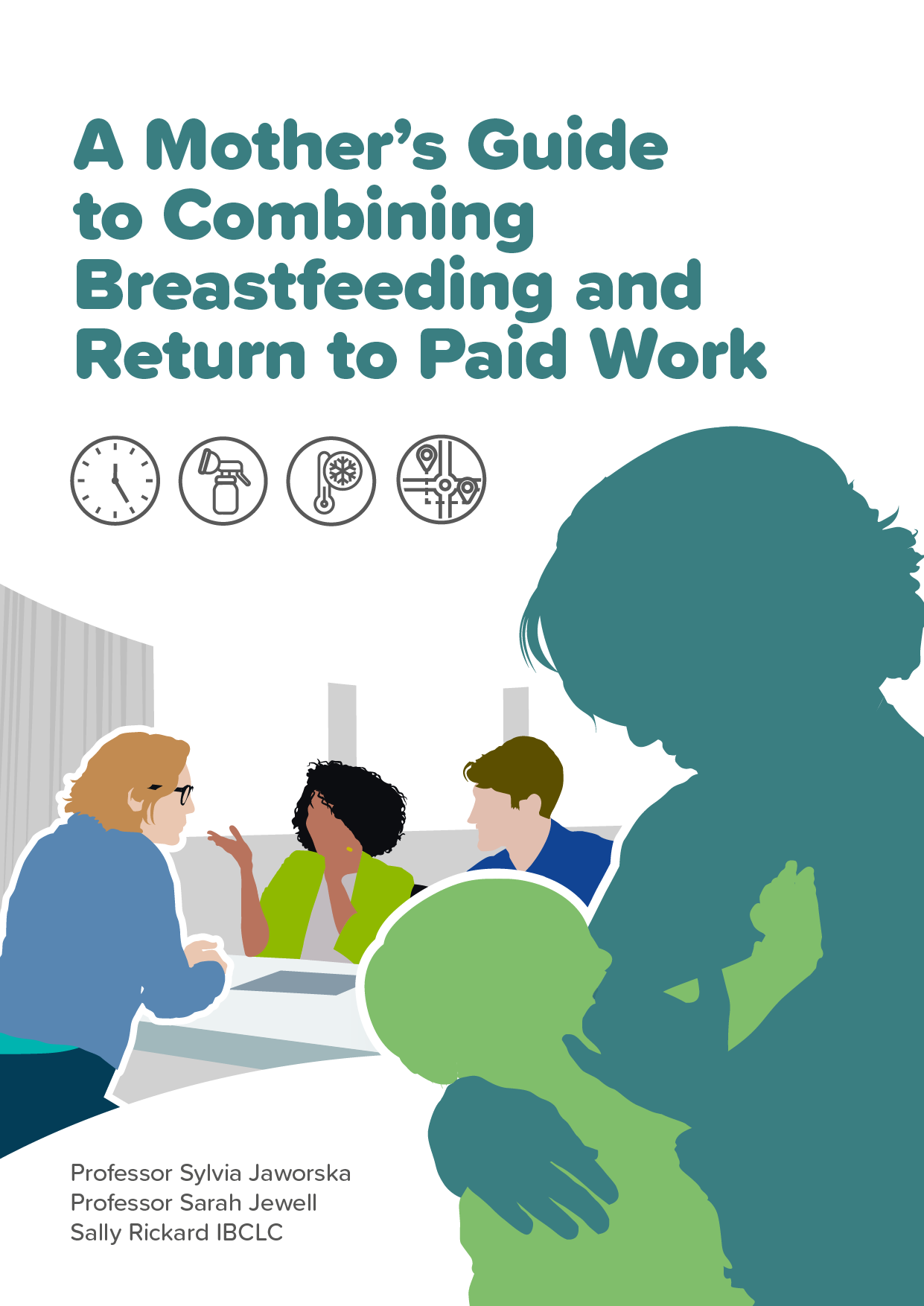
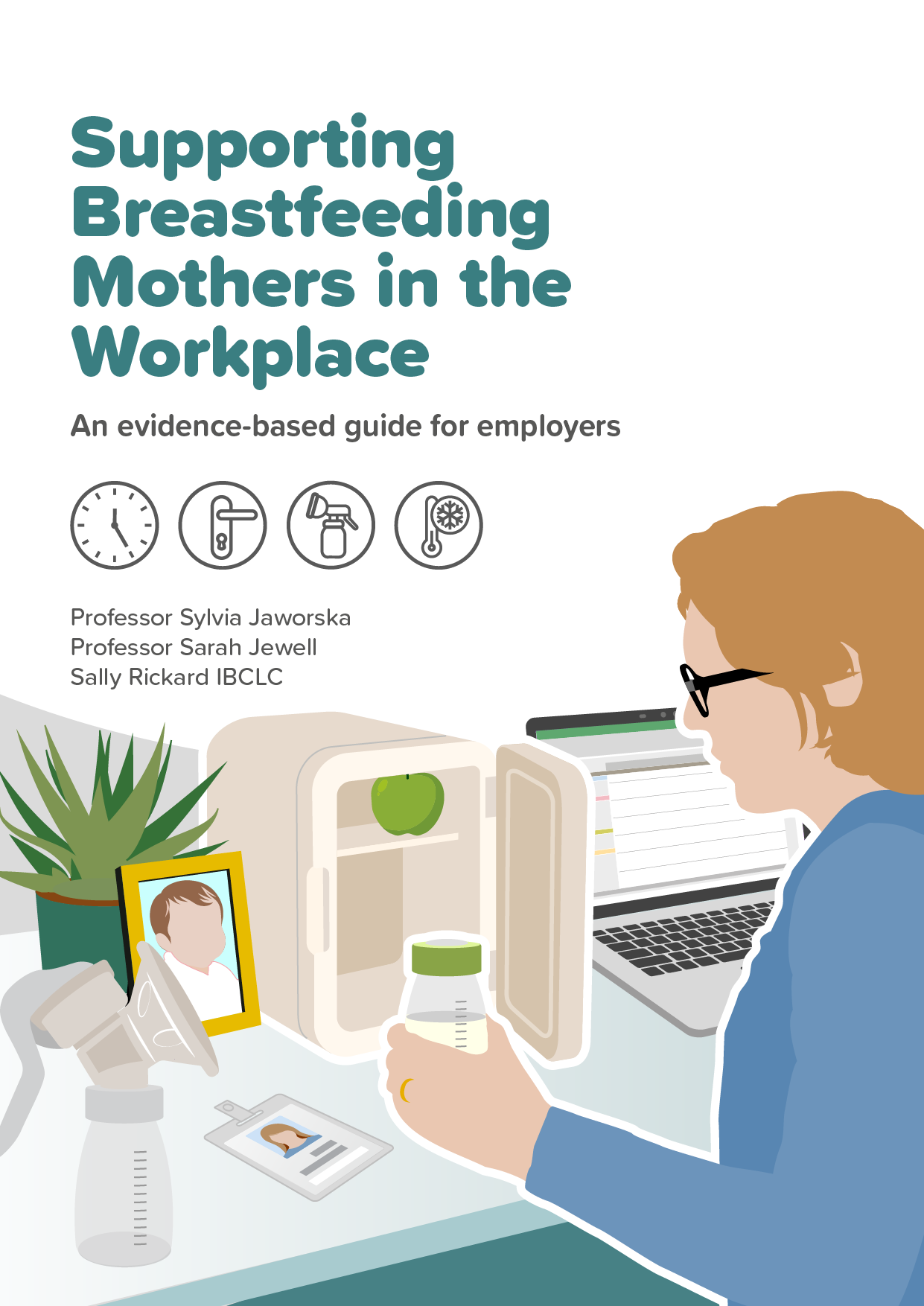 Philosophy, Politics and Economics, at the University of Reading has co-created a website to support breastfeeding and return to work, summarising the research and providing resources for parents and organisations. Feel free to use and share.
LGBTQ+ International Travel Tool
Led by Dr Frances Hamilton from the School of Law, at the University of Reading, the International Travel Tool allows employers and Universities to devise specific policy and practice considering LGBTQ+ student and staff engagement with international travel. The tool is freely available and will be of interest to anyone who is concerned with LGBTQ+ international travel.
Bring Your Whole Self to Work
Dr Melissa Carr from the Henley Business School, at the University of Reading has published an article on the discourse of ‘bring your whole self to work’ within diversity, equality, and inclusion (DEI) narratives. The article is open access: Bring Your Whole Self to Work: Boundary Conditions of Subjectivity in Diversity and Inclusion Discourse on Investment Bank Websites | Journal of Business Ethics | Springer Nature Link. Melissa presented her research on psychological safety in our webinar series.
Event Calendar
5th February: Inequalities in Access to Professional Careers, Dr Claire Tyler, UCL
5th March: Inner Fears, Psychological Safety, and Inclusive Environments, Louisa Pattison and Elena Scaramellini
9th April: Gender, career aspirations and plans for family formation among UK HE students, Dr Patrizia Komot-Blamey, Queen Mary University of London
7th May: Do UK workplace parental leave policies support employees when navigating the unpredictability of reproductive health? A UK Higher Education sector case study, Dr Clare Matysova, Health Data Research
8th-9th June: 4th Accommodating Diversity in the Workplace Conference – The call for abstracts is now live. We invite submissions on any aspect of diversity in the workplace that have practical implications for workplace practices. We welcome submissions from any field
Call for Research Participants (please share)
Your chance to help women in engineering: The underrepresentation of women in engineering continues to be an issue. Amongst those who have entered an engineering career, women leave engineering roles at twice the rate of men. The Institute for Employment Studies (IES) and the Careers Research Advisory Centre (CRAC) are researching the factors, experiences and issues that lead to women leaving the engineering profession mid-career. This research for the Royal Academy of Engineering will help the sector to develop initiatives to support women and enable the retention and progression of women engineers.
The research will capture the lived experiences of women by talking through their career journeys. The researchers are therefore hoping to talk to women who trained/qualified as engineers and worked in an engineering role, but who have since left the engineering profession (in their 30s, 40s or 50s). If you feel you or someone you know fit the criteria, please contact the research team at IES on womenengineers@ies.ac.uk to volunteer or find out more about the research. The call for participants closes on February 28th 2026. For more information, please go to the IES website: Qualitative research on opportunities to improve the retention of women in engineering | Institute for Employment Studies (IES)