
Blog by the Whitley Researchers
This blog is based on a conversation between the Whitley Researchers and an academic who works with them. They’ve all been delivering community research for more than ten years! The conversation has been edited for the blog format.
Summary of key points:
- Community research is relational – this includes friendships forming within the team
- Build mutual respect. Be careful not to patronise people, this is about not talking down to people (e.g. tone of voice, language, making sure people’s points are valued, being honest)
- Show that you have some understanding of people’s experience. Otherwise, come with an open mind to listen and don’t bring assumptions, judgements or unsolicited advice
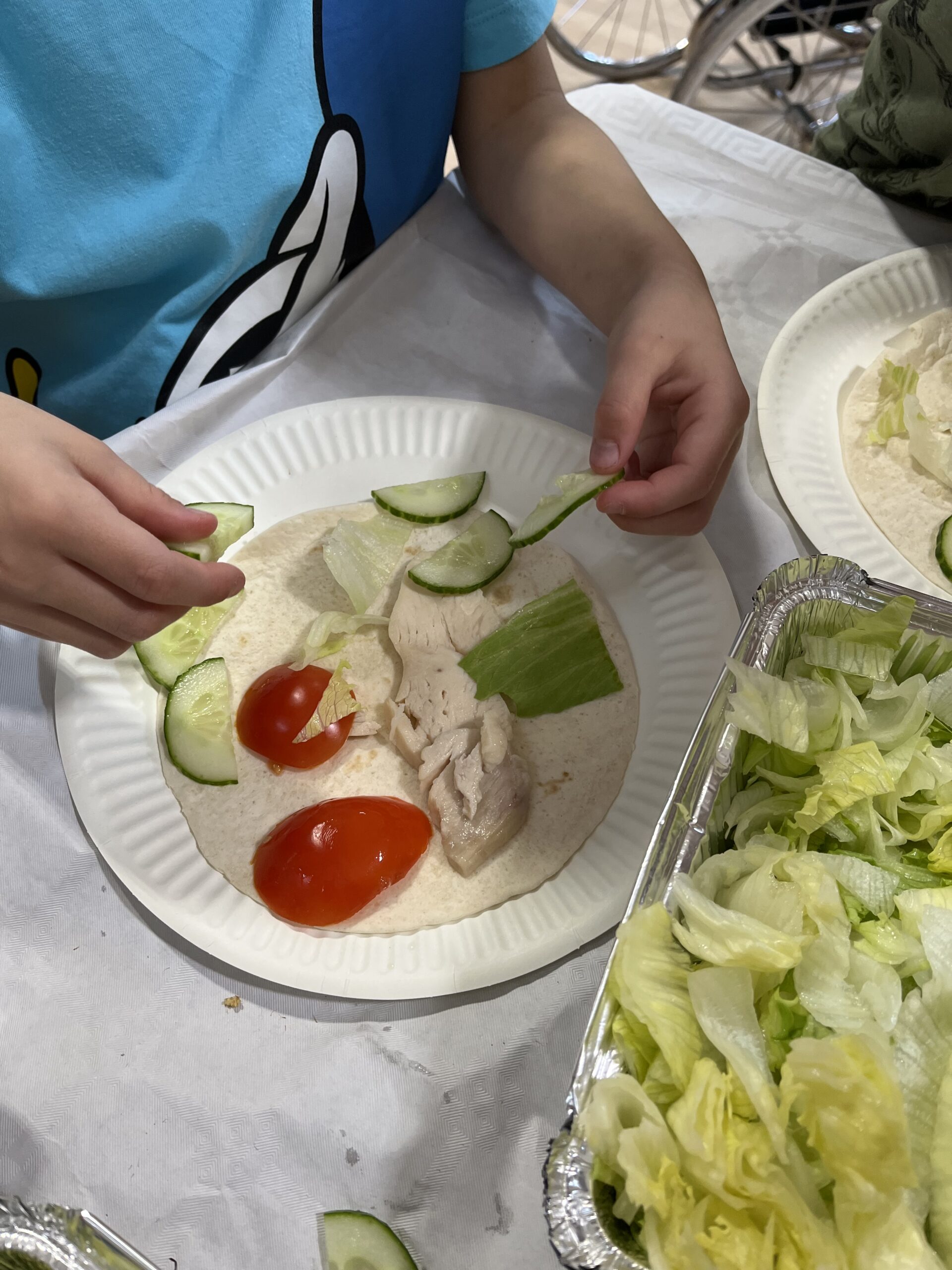
- Put effort to make people feel comfortable, such as offering food and cups of tea
- Be sensitive to different people’s needs, such as struggling with writing or anxiety, and adapt to them with kindness and warmth
- Have a sense of humour, and create a relaxed atmosphere
What’s important when doing community research?
If you are going to do community research and speak to people, it’s important not to patronise them.
What mistakes do people make in this area?
It’s about tone of voice and language used. Speaking to people on a level so they feel there is some equality there, you are not talking down to anyone, and what they say is being heard and valued. That’s really important. It’s about respect, understanding, and giving people a voice which is listened to.
Also, making sure worth and value is given to what people are saying, that it’s contributing towards something. This can be hard if you don’t know what the end result is going to be. You might have to be honest and say you don’t know yet – you are just gathering the information for now, it might end up in a book, report, toolkit, or forming a board game; helping people understand the situation better somehow! (see more about our work here and here). Over the last decade, we’ve worked with local people and organisations on issues that matter most to them, including life in lockdown during Covid 19, digital inclusion, cycling and football.
If you accidently patronise people it can be a real barrier, and also take people down (emotionally). If you are feeling even a little bit spoken down to, it’s not very nice.
What mistakes do academics make that can be a barrier or break up trust?
Firstly, if it’s someone not known to the community, that can make people feel defensive. Sometimes people are also wary because of false promises made before. Even body language can be either off-putting or welcoming.
Also, if it sounds like someone is trying to tell you what to do without seeming to have any understanding of your experience, that can make you feel undermined. If it feels like they have assumptions or are judging you. We experience being told what to do so much in society, or that what we are doing is wrong; like wanting to eat a chocolate bar occasionally but feeling guilty because you’ve been told you should eat an apple.
Some advice or guidance can be helpful, but it depends on how it’s delivered and whether you feel the person understands your experience or has relatable experience. That will really impact what people think or feel when they walk away from the conversation. This is about having empathy and feeling connected.
It takes a lot to open up, especially about sensitive topics.
Are there other things which are important?
It’s also about research being done in a comfortable, warm place with tea.
And it’s about representing yourself, with honesty. Because I live in the community and people know me, if I’m asking the questions and they don’t know where the project is going, but I don’t know either, I’ll be honest about it. Then they are more likely to trust me.
And you need to have lots of consideration and understanding for different needs.
Could you say more about meeting different needs and understanding?
Everybody’s got different needs. People can struggle with anxieties, or with reading, writing or anything like that. If you are asking people to do something as a researcher, people might be honest or they might mask it, so it’s about understanding that and trying to adjust and meet their needs.
We’ve done so many questionnaires and groups, and we’ve had good responses because people responded to our warmth and kindness. Sandra in particular brings so much understanding and knowledge of the local area, and also her personality. Because of her personality she can get information from people in a comfortable way. So it’s also about who you are.
Anything else to add?
The friendship aspect is really important as well, over the years we’ve built a friendship between ourselves, and learnt a lot from each other –“that’s one of the main things I’ve got out of it really.” Even when there are frustrations, like trying to deal with the HR software and processes of the university, we support each other.
Over the years of doing this in local community centres, when I go back the people remember me and are still respectful to me, and me to them. That’s another way relationships are built.
So it’s also about mutual respect. Having a sense of humour as well and having a bit of a laugh to help relax the atmosphere.