
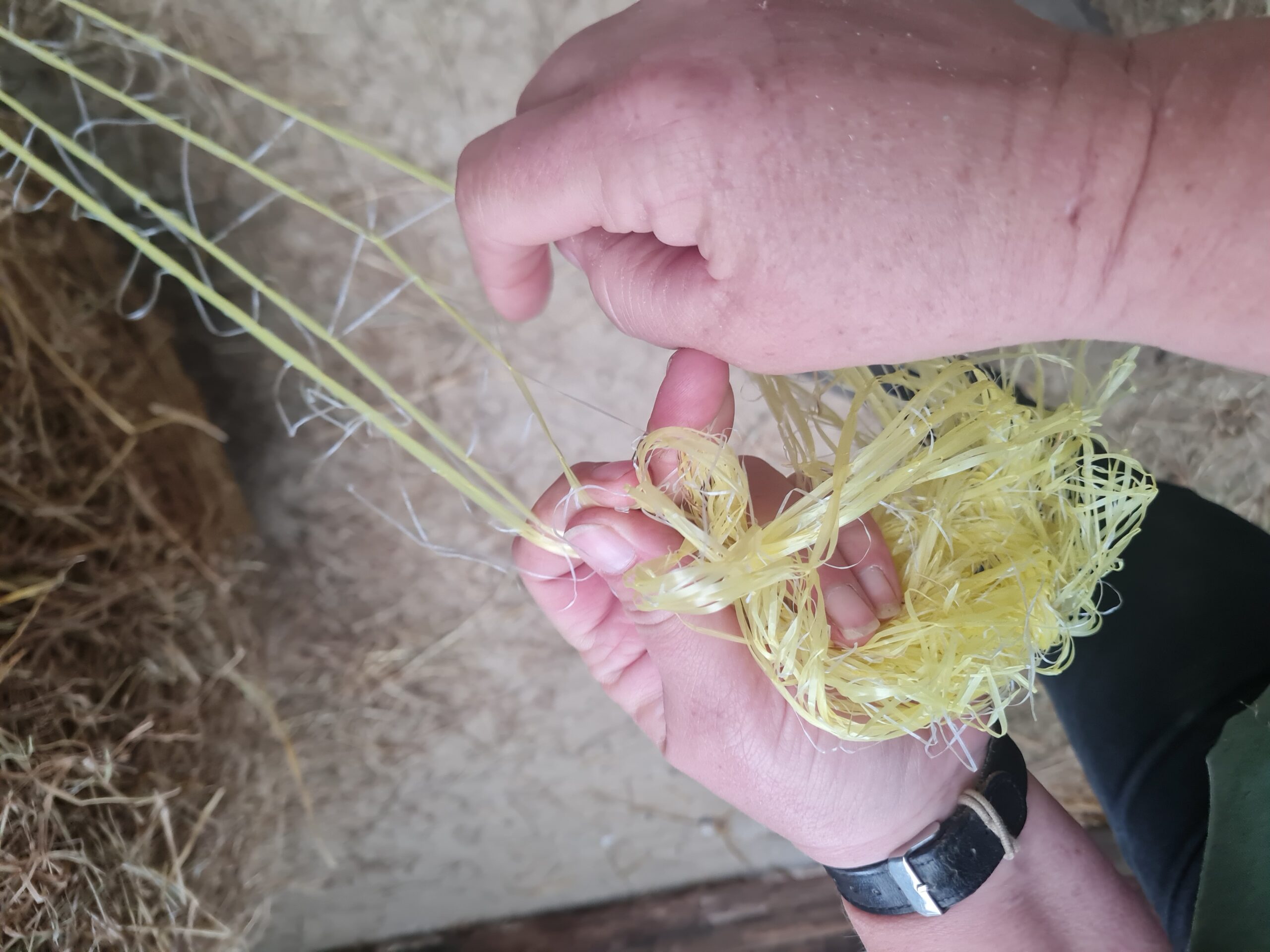

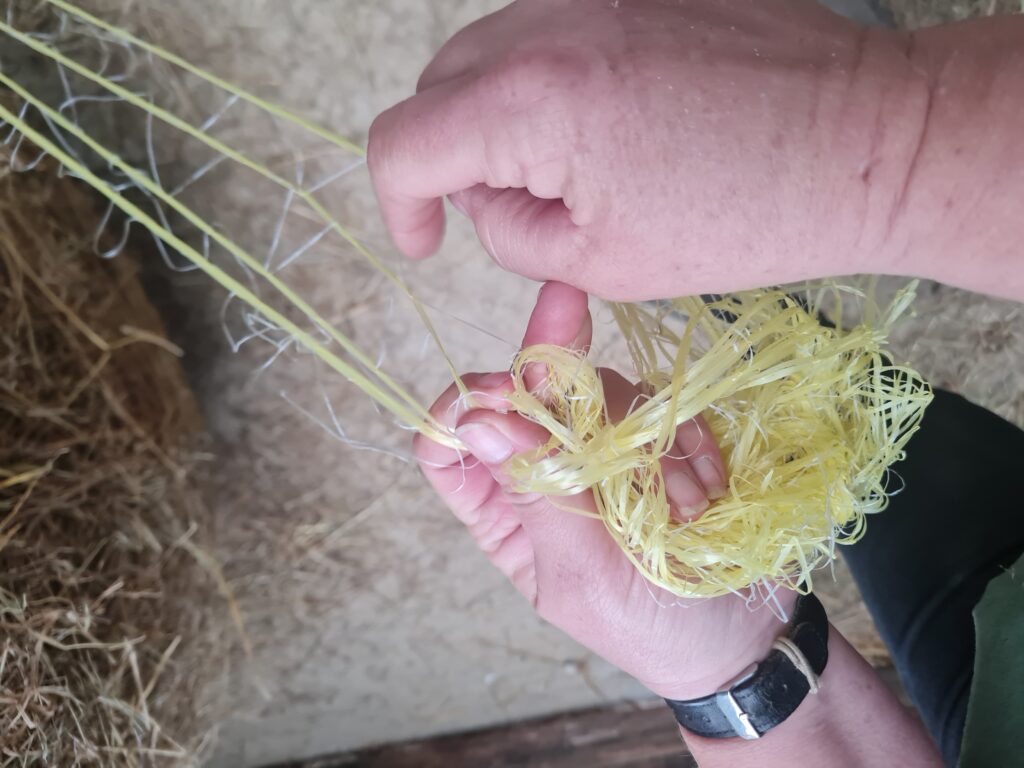
Plastics are proving difficult to replace in UK agriculture, according to early findings from a major new study. According to the report, plastics continue to be vital for British farmers despite growing environmental concerns because they provide crucial functionality at comparatively low costs, a combination that alternatives have not yet been able to match.
The study is part of the Agriplastics project, funded by the Global Challenges Research Fund and UK Research and Innovation. Although the project’s initial focus was on the UK, its overall goal is to quantify the risks that agricultural plastics and related co-contaminants may pose to smallholder farms’ long-term health in Low- and Middle-Income Countries (LMICs), with an emphasis on rural livelihoods and food security.
In the UK context, the research highlights that while many plastics used on farms are successfully recycled or reused, major exceptions remain particularly with products like silage netting and film, which are often discarded after a single use. A large majority of farmers expressed a desire to cut down on plastic use and improve recycling rates, motivated primarily by environmental concerns.
However, farmers face significant barriers. The study points to a shortage of recycling facilities, a lack of viable alternatives, and the clear economic advantages that plastics bring to farming operations. Materials like black ground film and polytunnels help warm crops, allowing for earlier and longer harvests, while silage wrapping protects livestock feed from spoilage benefits farmers say are critical to staying financially afloat.
The study found that most farmers view plastics as a less urgent environmental issue compared to climate change and economic survival. With farm incomes under pressure and carbon-reduction efforts already demanding significant changes, many farmers are prioritizing initiatives that secure their livelihoods.
“Transitions away from agriplastics will require the state, markets and consumers to demand and facilitate it, as is happening for carbon reduction,” said Lewis Cameron, a Postdoctoral Researcher.
The UK study is led by Professor Henny-Osbahr and is being conducted by Dr Lewis Cameron and Arin Burke, members of staff at the School of Agriculture, Policy and International Development at the University of Reading.
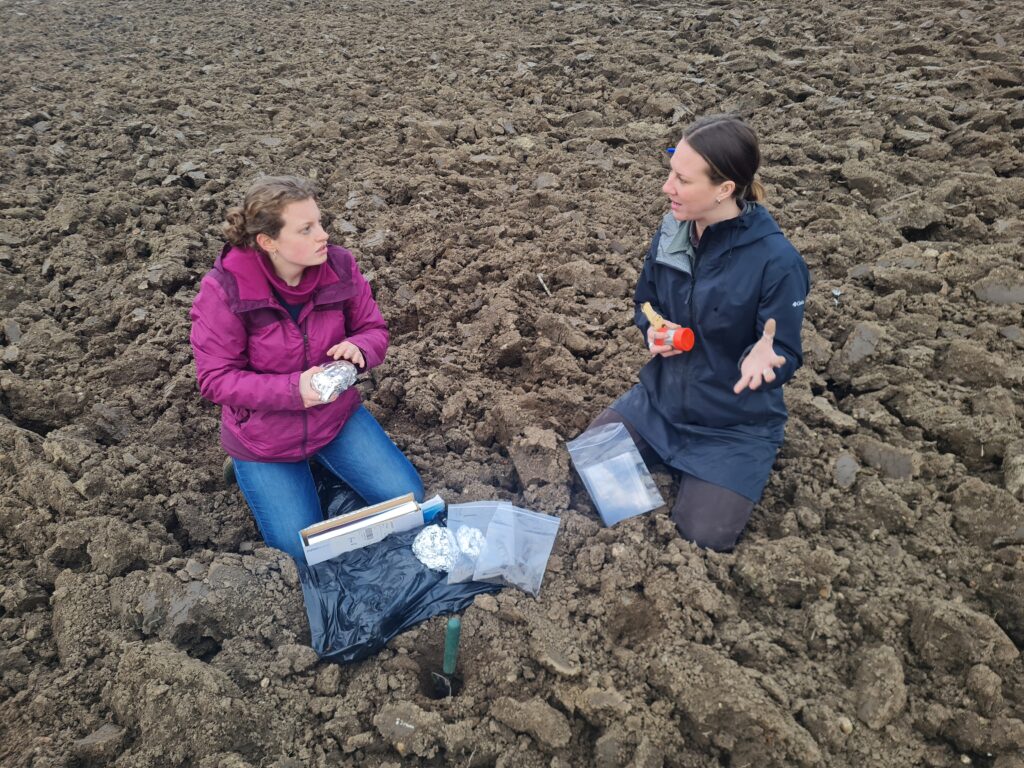
The study also conducted some soil samples on local farms around Reading. This is to compare what soil science found with what farmers perceived was the level of plastics on their farm. Although the soil sample results are still pending, they will be utilized to construct a material flow model to ascertain what happens to on-farm plastics. It addresses big knowledge gaps in this area, which have multiple behavioural, environmental, market & regulatory implications.

For more information please visit the project website: