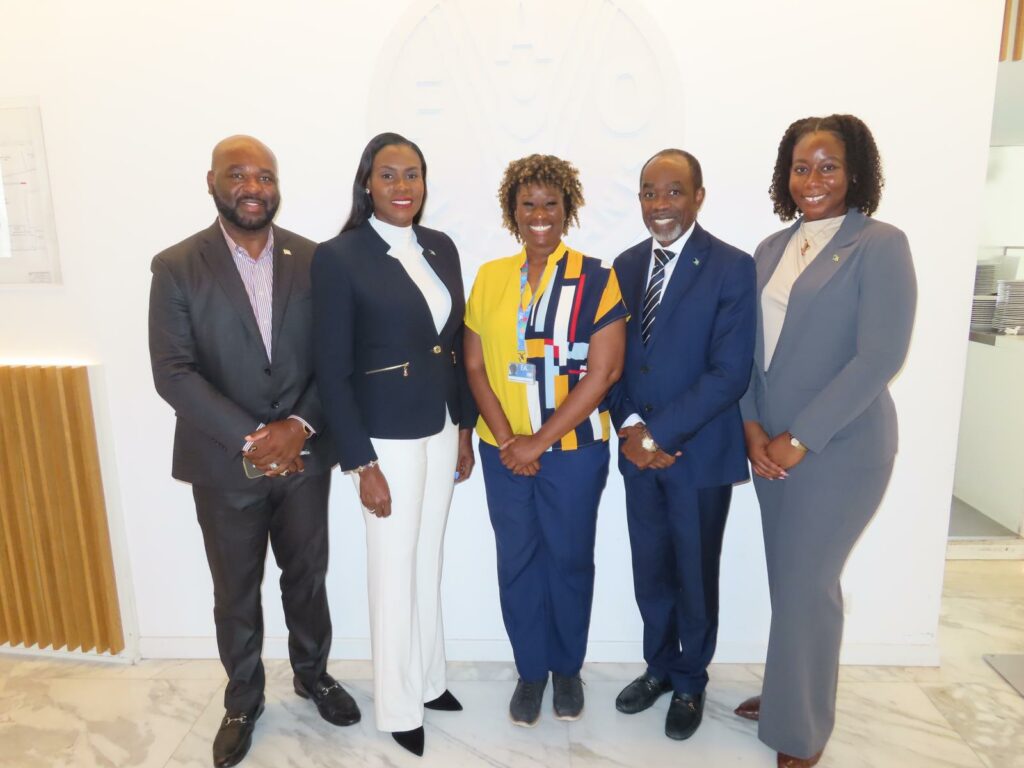
Digital innovation is reshaping agriculture globally, yet the benefits are not equally shared, especially for women farmers in rural communities. In this blog, Emerika Robinson, a University of Reading Postgraduate student who has recently completed her Master of Science in Applied International Development, reflects on her journey from studying engineering and Internet of Things (IoT) research to a transformative placement with the Food and Agriculture Organisation of the United Nations (FAO).She shares insights from working with global teams, listening to farmers’ voices, and witnessing firsthand how inclusive digital tools can empower those often left behind.
After completing a master’s degree in engineering in Wuhan, China, where my research centred on Internet of Things (IoT) applications in agriculture, I realised that technological innovation alone could not address the deeper social challenges facing farmers. Studying in Wuhan during the COVID-19 pandemic and graduating in 2021 was an incredibly challenging but transformative period in my academic journey. Completing my studies during such a stressful time strengthened my resilience and reinforced my commitment to pursuing impactful work in agricultural development.
In 2024,motivated by a desire to understand the human side of agriculture, the lived experiences, cultural norms, and gender inequalities that shape access to technology, I joined the MSc Applied International Development programme at the University of Reading, supported by the Chevening and Charles Hayward Scholarships.
One of the most distinctive features of the programme is the option to complete a Reflective Practice Report instead of a traditional dissertation. Having already written a dissertation during my previous studies, I was eager to engage hands-on experience in the development sector. The reflective practice pathway provided exactly that, an opportunity to learn through experience while exploring issues I deeply care about.
From Classroom to Field: Discovering My Research Focus
Modules in regenerative agriculture and gender studies played a critical role in shaping my academic direction. Visits to university farms helped me understand sustainability in practice. At the same time, discussions on gender and development drew my attention to the digital gender divide affecting women farmers across the Global South.
As a woman in technology, a former programmer and business analyst who later transitioned into project management, I began to reflect on my own journey. I realised how privileged I had been to access education, digital tools, and professional opportunities. This is not the case for many women, particularly those living in rural and agricultural communities, where socio-cultural norms and systemic barriers limit their access to digital technologies. This recognition deepened my commitment to understanding and addressing the gendered dimensions of digital exclusion.
This became the central focus of my literature review, where I examined structural, cultural, and technological barriers limiting women’s participation in digital agricultural systems.
I sought a placement that would allow me to connect this academic interest with real-world development work. The Food and Agriculture Organisation of the United Nations (FAO) stood out as an ideal choice due to its large-scale initiatives in digital agriculture, gender equality, and communication for development.
My Experience at FAO: Learning Through Communication for Development
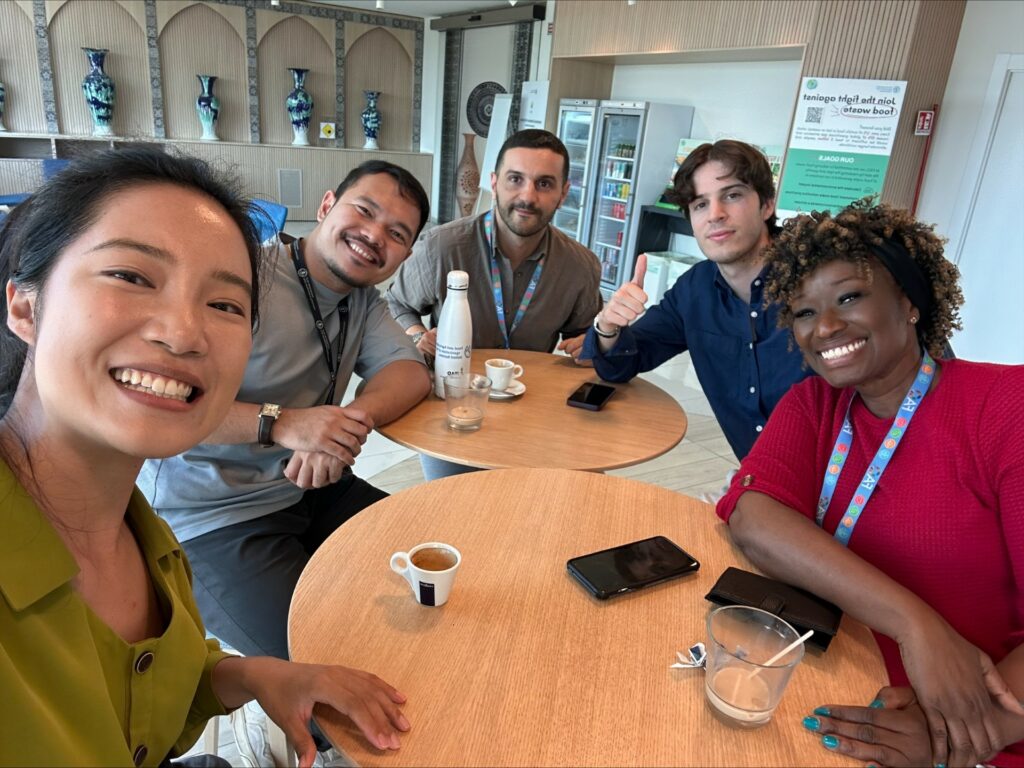
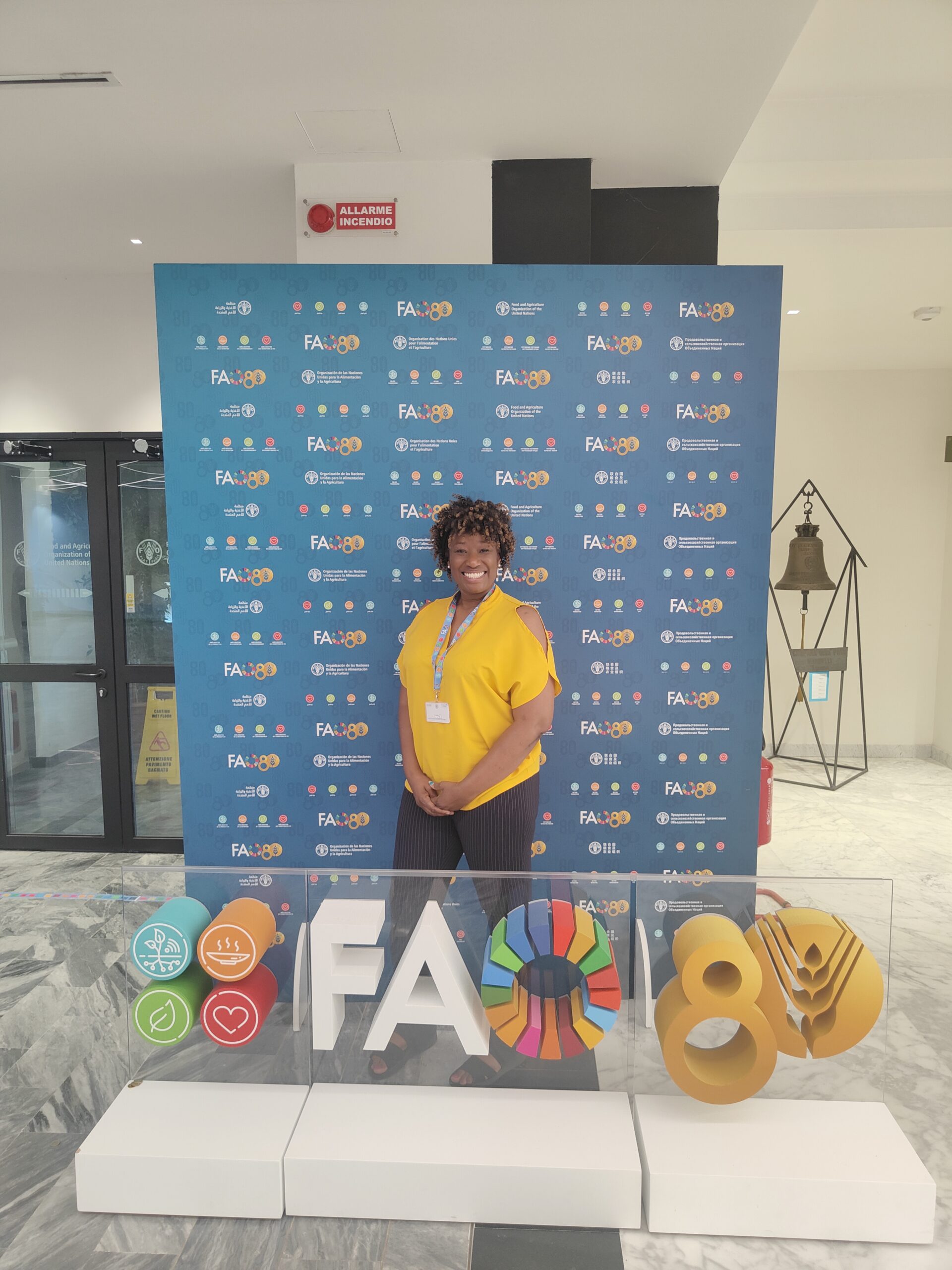
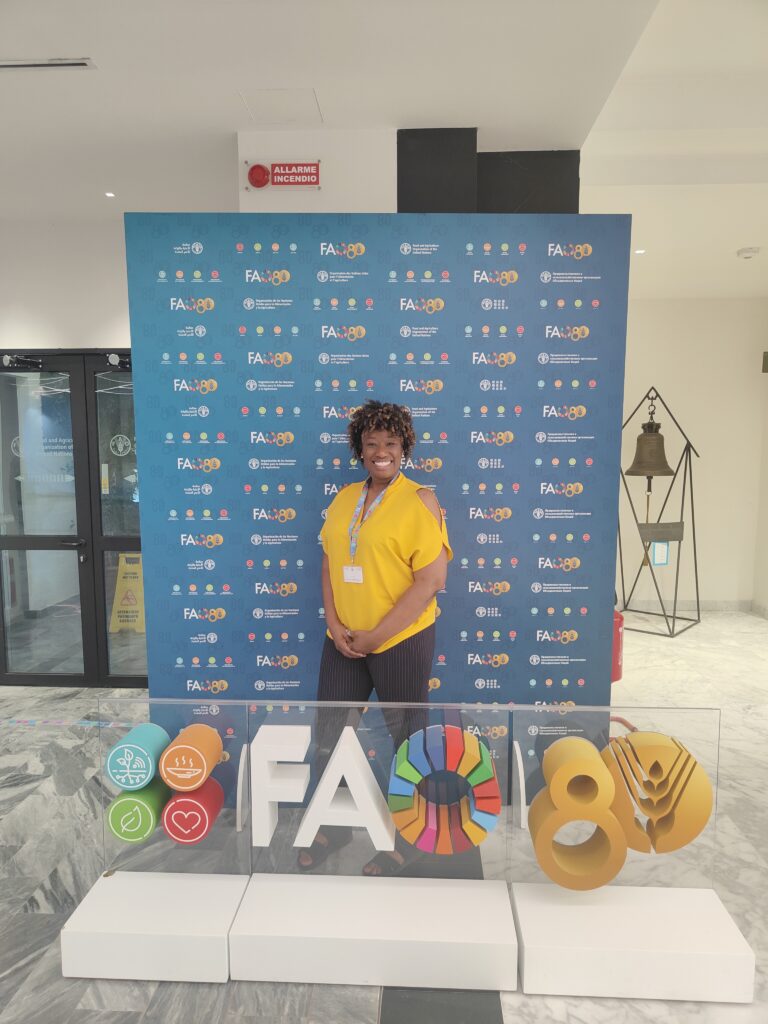
With the invaluable support of Professor Sarah Cardey, who facilitated the placement, and the guidance of my academic tutor, Professor Henny Osbahr, I secured a placement with FAO’s Communication for Development (C4D) team within the Partnerships and United Nations Collaboration Division (PSU). This became a central and transformative part of my reflective practice experience.
My principal task involved designing and supporting global and regional surveys for ComDev Asia, YenKasa Africa, Onda Rural, and the CCComDev academic network. These surveys explored how communication tools, digital platforms, and participatory approaches are being used to strengthen agricultural livelihoods. They also examined how participants interact with the communication tools offered, what is working well, what is not, and how these tools can be improved. This feedback is essential for management-level decision-making, helping assess the effectiveness of communication initiatives and informing future programme design.
Working on these surveys offered a unique opportunity to investigate my core research questions: What barriers limit women farmers’ access to digital technologies in developing regions? How do cultural norms and gender roles influence women’s use of digital tools?
Through interviews and discussions with FAO colleagues, including those in the Office of Innovation (OIN) and the Rural Transformation and Gender Equality Division (ESP), I gained insight into how development programmes are designed, monitored, and adapted to promote digital inclusion. These interactions showed me how gender inequalities are addressed not just in theory, but through institutional strategies, partnerships, and policy frameworks.
Most importantly, collaborating with the ComDev team demonstrated how participatory communication combined with digital innovation can foster more inclusive and context-responsive agrifood systems. This approach also challenged the tendency toward techno-solutionism, the belief that technology alone can solve complex social problems. By listening to farmers’ voices and understanding their communication ecosystems, we were reminded that digital tools are only effective when grounded in local realities, social dynamics, and gender-sensitive engagement. Without this, even the most advanced technologies risk reinforcing inequality rather than reducing it.
Key Lessons and Professional Growth
My time at FAO reinforced several essential lessons:
- Bridging the digital gender divide requires more than providing devices; it demands targeted capacity-building, inclusive design, and supportive policies.
- Context matters. Solutions must reflect local realities, cultural norms, and gendered responsibilities.
- Communication for Development plays a vital role in ensuring that marginalised groups, especially women, are heard, included, and empowered.
Through this experience, I strengthened skills in survey design, policy analysis, stakeholder engagement, and interdisciplinary collaboration. It also deepened my commitment to advancing gender-equitable digital innovation in agriculture.
A Message to Future Students: Embrace the Power of Placements
I strongly encourage students to take advantage of the placement opportunities offered through their programmes. A placement not only builds confidence and practical skills but also bridges the gap between academic learning and real-world impact. My experience with FAO was a defining part of my MSc journey, one that broadened my perspective and shaped my career aspirations.
Engaging with practitioners, contributing to global initiatives, and seeing how development work unfolds behind the scenes enriched my understanding in ways that classroom learning alone could not achieve. For any student passionate about agriculture, gender equality, or international development, placements provide invaluable exposure and inspiration.
I extend my sincere gratitude to The Graduate Institute of International Development, Agriculture and Economics (GIIDAE) and the School of Agriculture, Policy and Development (SAPD) for their support, as well as to the Stanley Howard Hodgkin Scholarship, the Turing Scheme Scholarship, and the wider University of Reading community. Their generous assistance made my placement possible and ensured I could fully engage in this transformative experience with the FAO Communication for Development team.
I was also grateful for the opportunity to enjoy the rich history and culture of Rome, Italy an unforgettable complement to an already inspiring placement journey.
Looking Ahead
I am delighted to have completed my degree with a Distinction at the University of Reading, and I am now exploring opportunities to apply my project management experience within monitoring and evaluation, programme management, or other areas where I can further develop my skills and contribute to impactful development work. I would welcome the opportunity to connect with others working in similar fields. Please feel free to connect with me via LinkedIn Emerika Robinson