
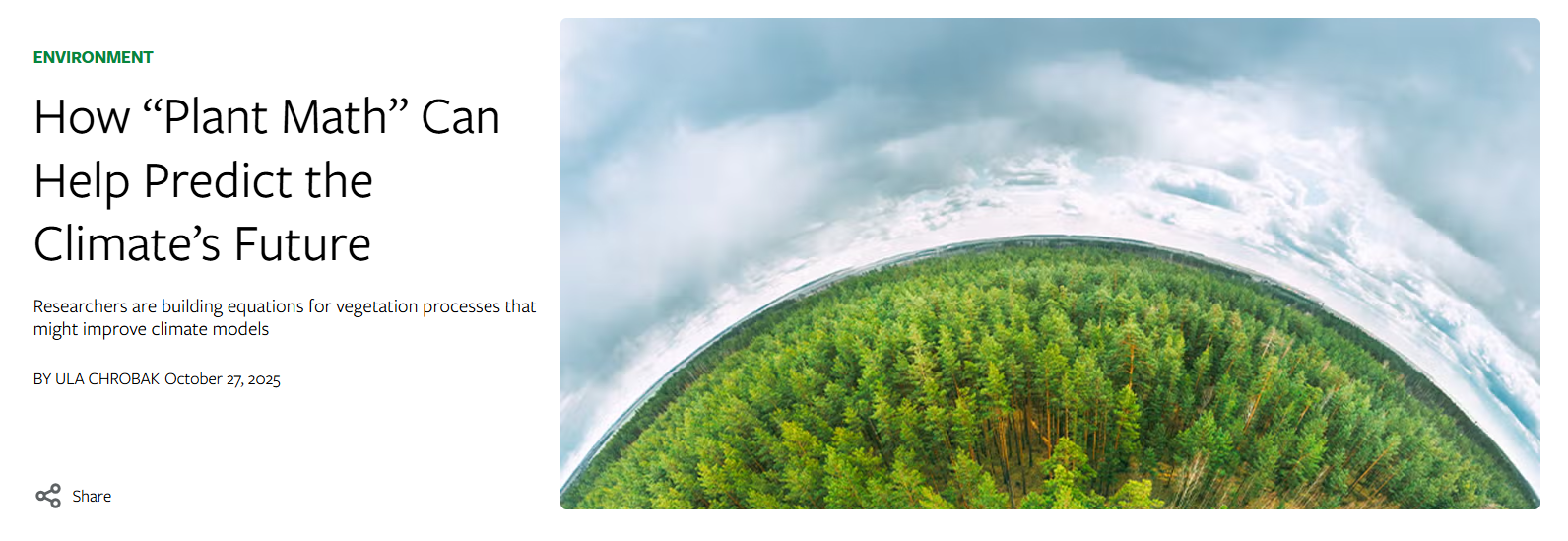
We’re delighted to see our work just featured in Nautilus Magazine, a publication known for its deep dives into science, culture, and the connections between them. The article, How “Plant…Read More >
Blogs
Secondment Experience at Seoul National University by Ananda Kurth
After the LEMONTREE annual meeting in Seoul, South Korea, which took place from 25 to 29 August 2025, I had the opportunity to stay in Seoul for another month and…Read More >

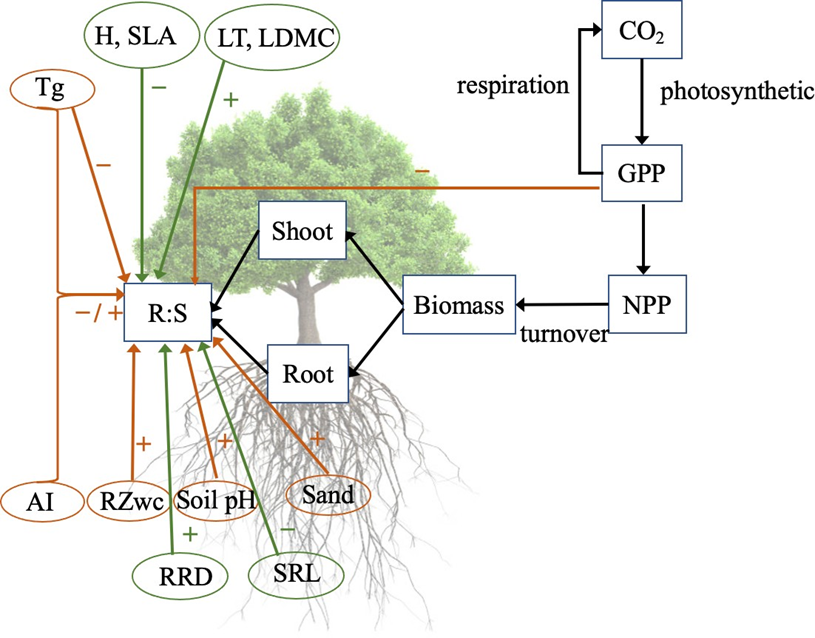
Global assessment of environmental and plant-trait influences on root:shoot biomass ratios
How plants divide their resources between roots and shoots, i.e., the ratio of root to shoot biomass (R:S) is a crucial indicator of how plants adapt to their environments. Root…Read More >
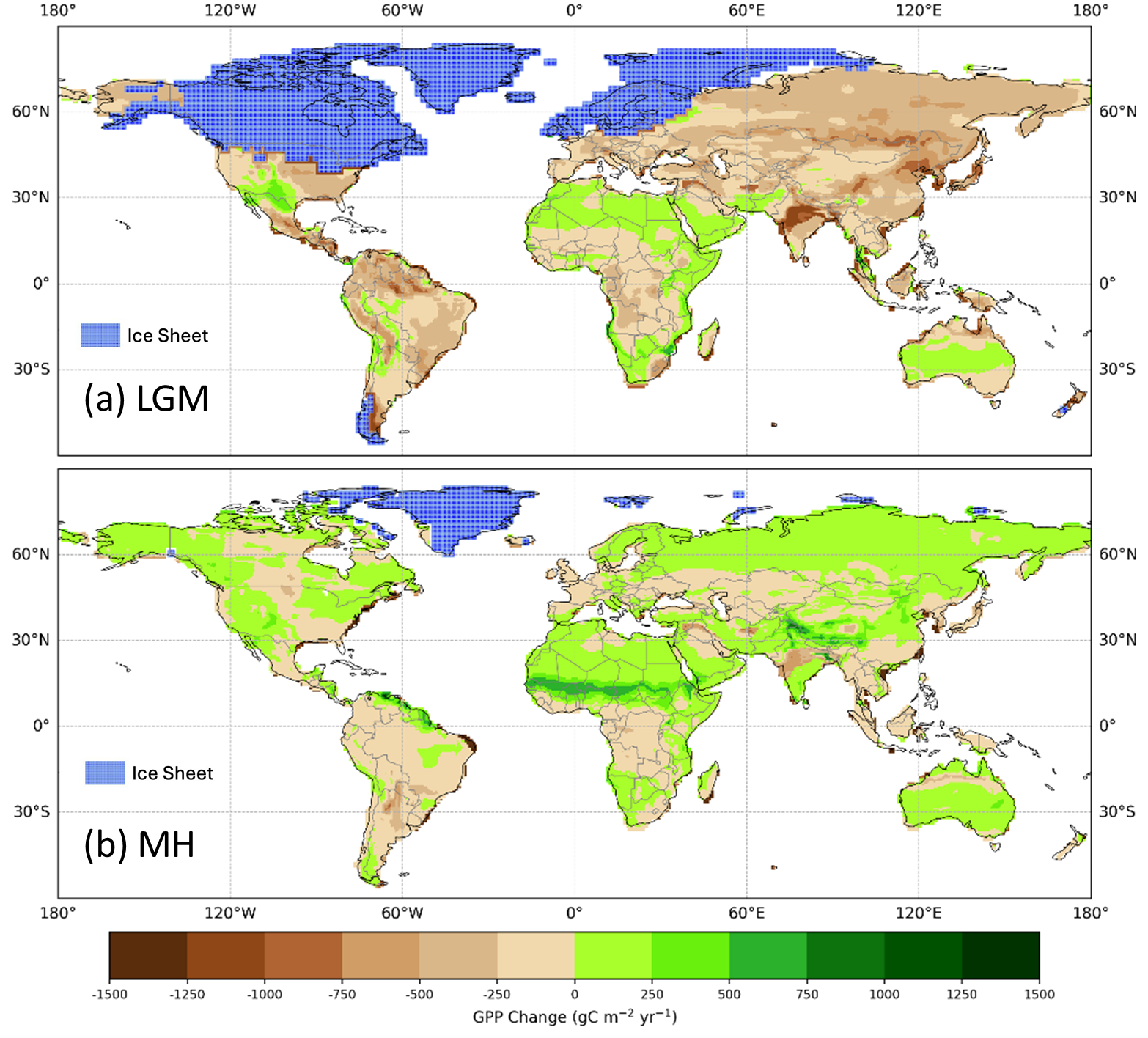
How CO2 and Climate Shaped the World’s Vegetation During the Late Quaternary
When we think about how our planet’s ecosystems respond to change, we often focus on temperature and rainfall. But there’s another, equally critical player: carbon dioxide (CO2) that has largely…Read More >
Energy Partitioning Workshop Two: Beyond Solar Induced Florescence
Last October, we hosted our first Energy Partitioning Workshop, bringing together a cross-disciplinary team to explore how better understanding of plant pigments could transform the way we monitor Earth from…Read More >
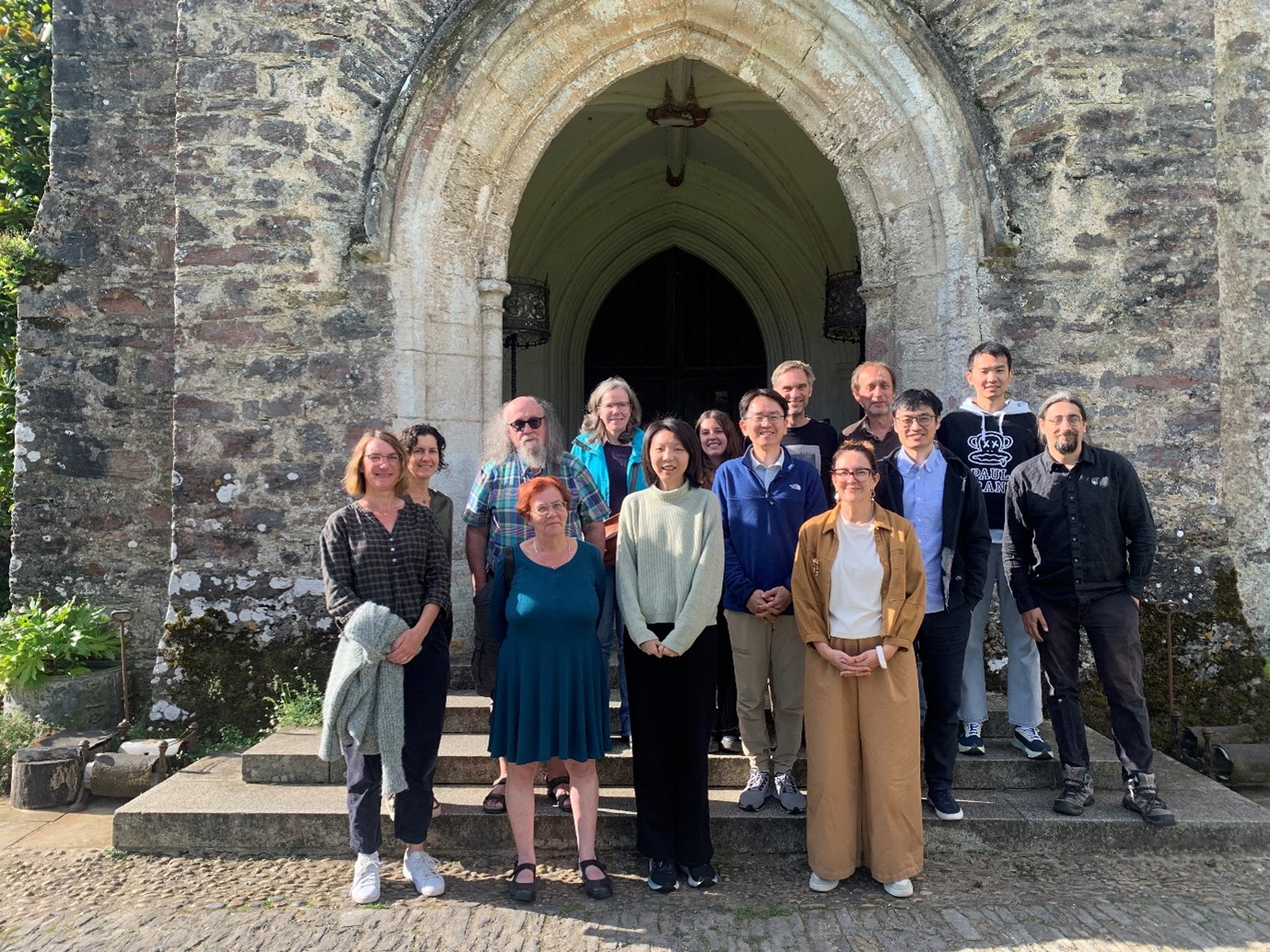
Trading Nitrogen for Water: What Sugar Maples Teach Us About Photosynthetic Economics
How do trees decide how to use the resources available to them? Just like any economy, plants face trade-offs. They must balance investments of nutrients and water to maintain photosynthesis….Read More >
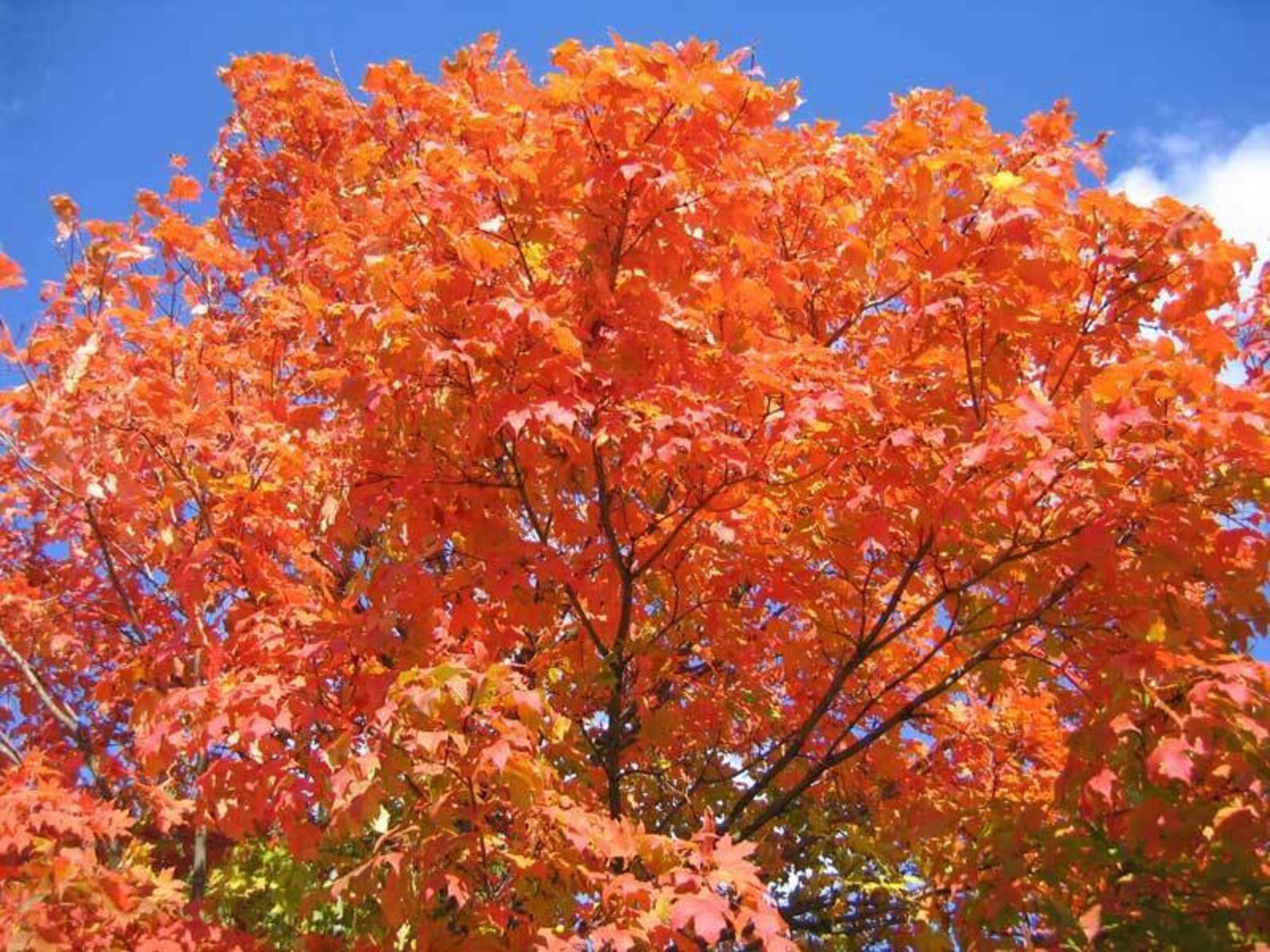
IMFIREDUP 2025 – Second Meeting of the Consortium
The IMFIREDUP (Improved Modelling of FIRE: Development, Understanding and Prediction) consortium came together once again in September 2025 (see here for the blog on our original meeting last year) for…Read More >
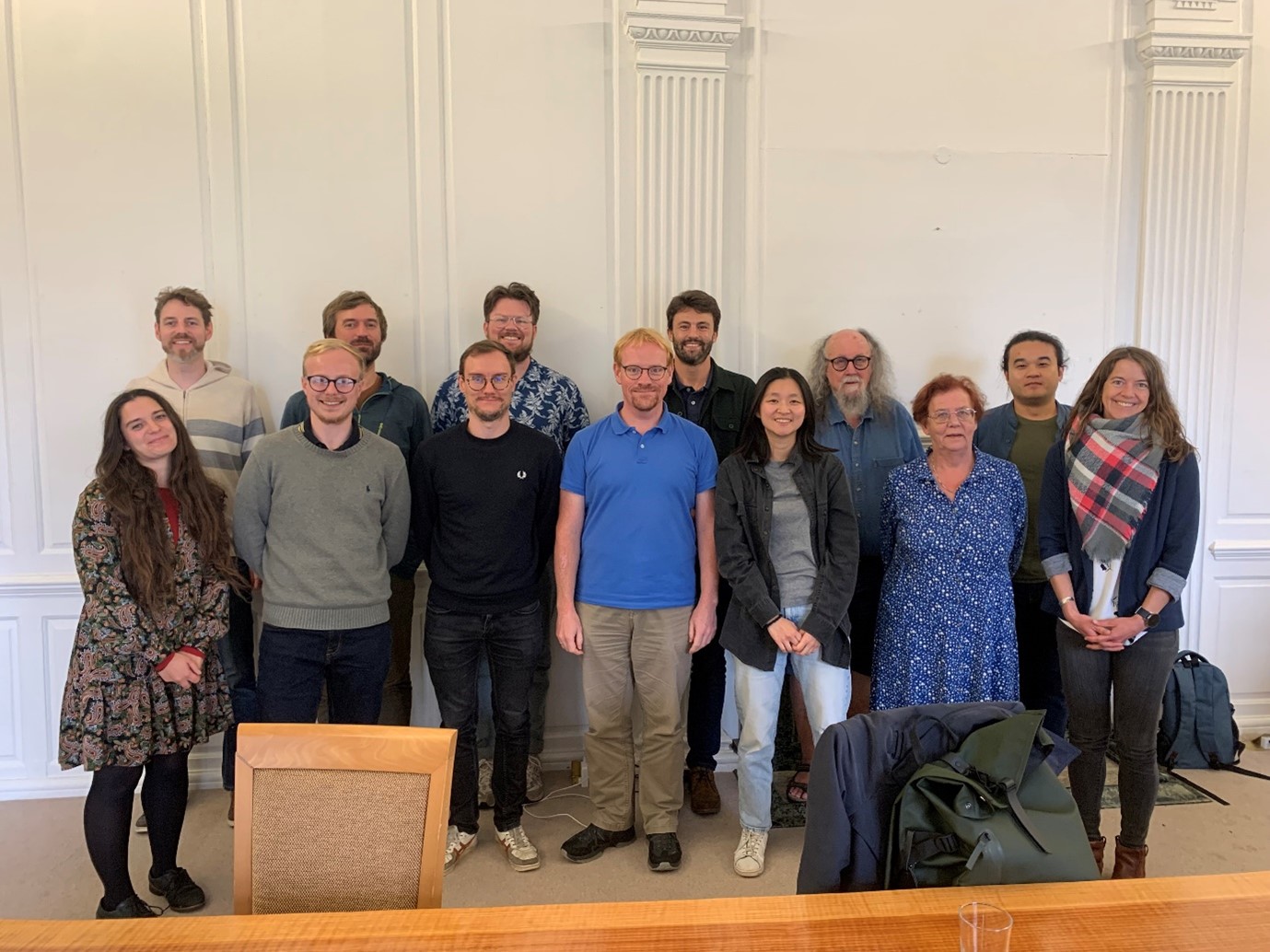
Annual LEMONTREE meeting in Seoul: Science, Strategy and Sea cucumbers
LEMONTREE is an international collaboration, with researchers based in the USA, the UK, Switzerland, Netherlands, Australia, China, and South Korea. Every month we meet online to share science updates—but while…Read More >

What can we learn by studying past climates and ecosystems? By Colin Prentice
Anthropogenic climate change brings many challenges for society, and for science. But without knowledge of past climate changes and their impacts, we are flying blind. Climate changes, with diverse causes,…Read More >
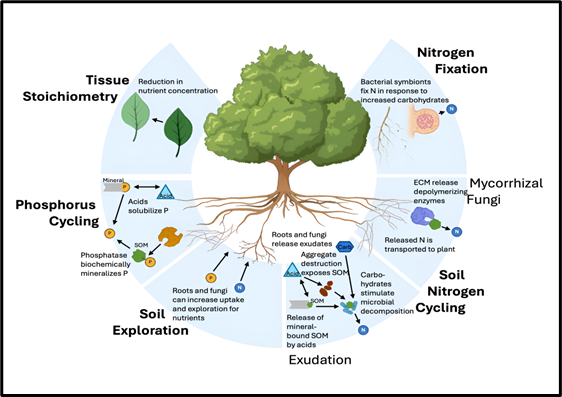
The Land Carbon Sink: Why Plant Nutrient Strategies Hold the Key
A new study published in Nature Climate Change—Plant nutrient acquisition under elevated CO₂ and implications for the land carbon sink—offers fresh insight into a long-standing climate science puzzle: how nutrient…Read More >