
The Toolkit Principles

The Talk-Rich Teaching Toolkit is driven by five principles.
Our choice of these, and their order, was influenced by:
- The focus on intentionally dialogic and culturally sustaining teaching in the US-model The Enduring Principles of Learning.
- Our conversations with schools as we built and piloted the Toolkit content.
We also based them what our own research and that of others tells us about their significance as tools to promote oracy for multilingual learners. The rationale for each principle was shared with schools taking part in the pilot, and teachers appreciated understanding why they should teach in this way.
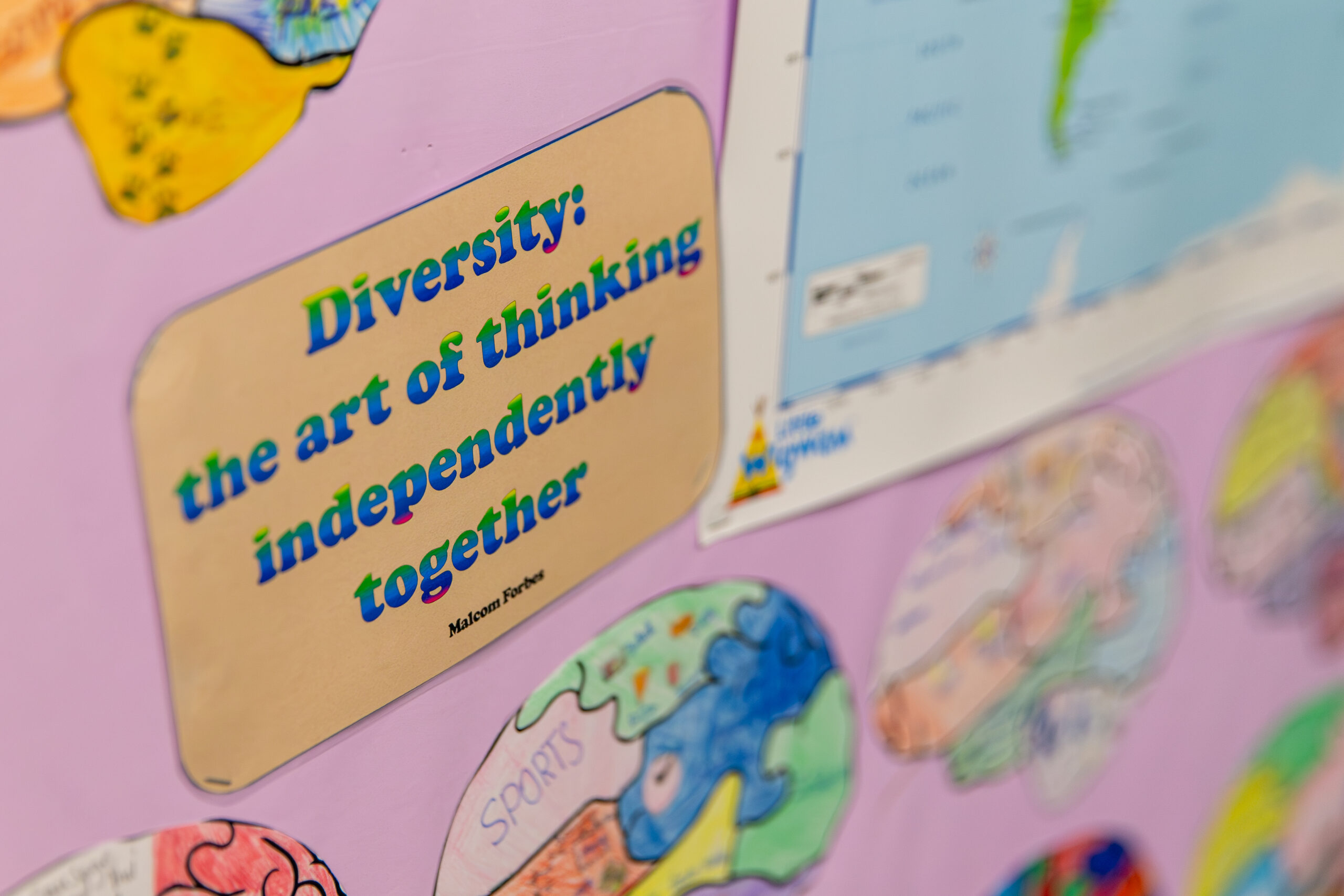
School Belonging
- Activities reflect learners’ lived experiences at home and at school
- Classrooms embrace and celebrate learners’ multilingual and cultural identities
- Adults plan intentionally to engage learners in steering the direction of learning.
- Research tells us that learners from diverse backgrounds make better progress when their sense of school belonging is secure.

Talk-Rich
- Learners have opportunities to use all their languages ‘to speak eloquently, articulate ideas and thoughts, influence through talking, listen to others and have the confidence to express their views’ (Oracy APPG 2021)
- Adults plan intentionally to say less in order that learners say more.
- Research tells us that, when learners have more opportunities for talk, their literacy outcomes can improve.
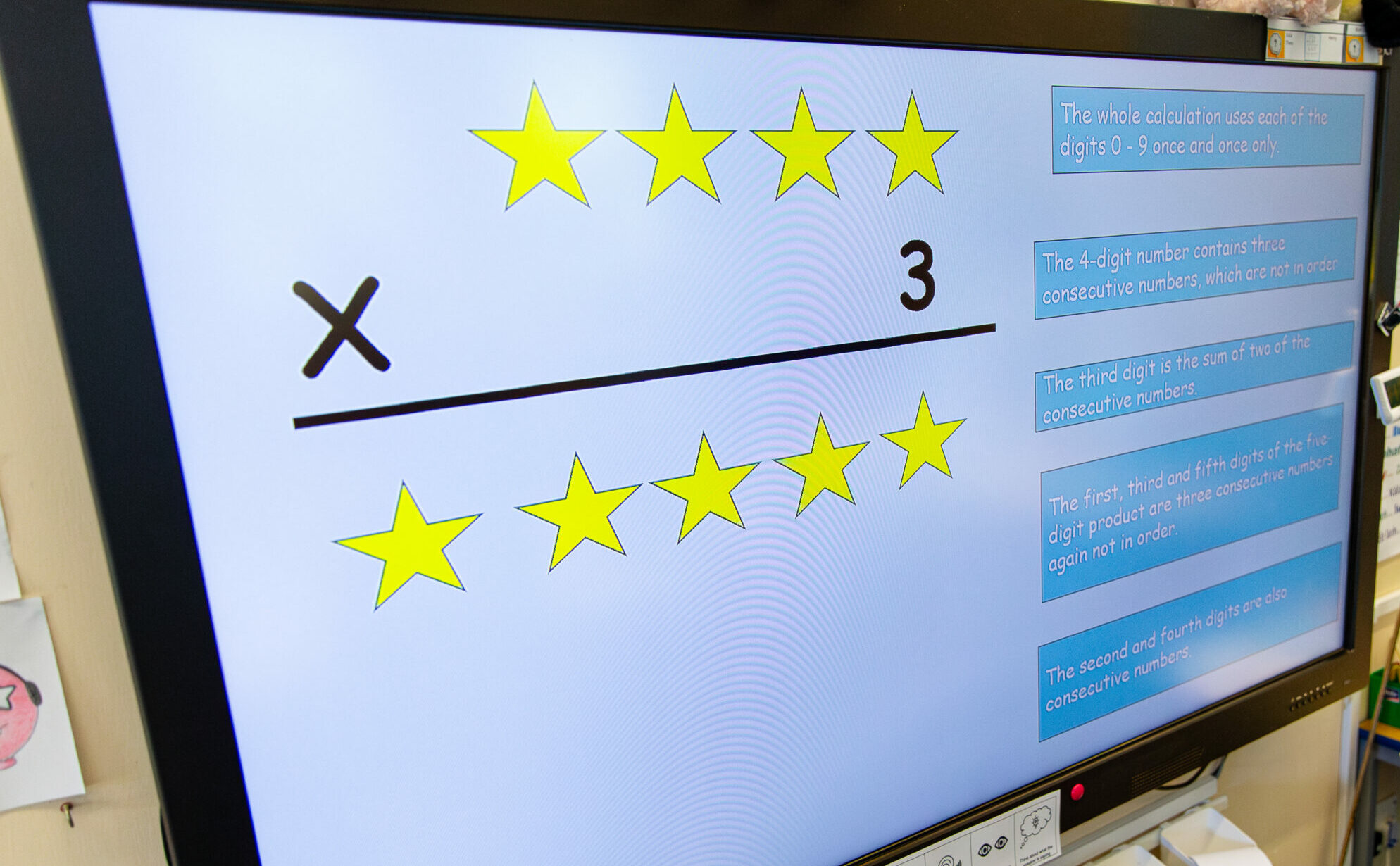
Inquiry-Led
- Activities encourage a questioning approach to teaching and learning
- Are open-ended and demand collaborative talk
- Challenge learners towards more complex thinking
- Adults plan intentionally to ask questions rather than give answers
- Research tells us that inquiry-led learning can improve learners’ oracy skills

Collaborative
- Activities involve collaboration through talk that leads to a joint outcome
- Support learners at all stages of proficiency
- Adults plan intentionally to assist learning through peer-talk
- Research tells us that collaborative activity provides opportunities for adults and learners to listen and adjust their spoken responses to each other.
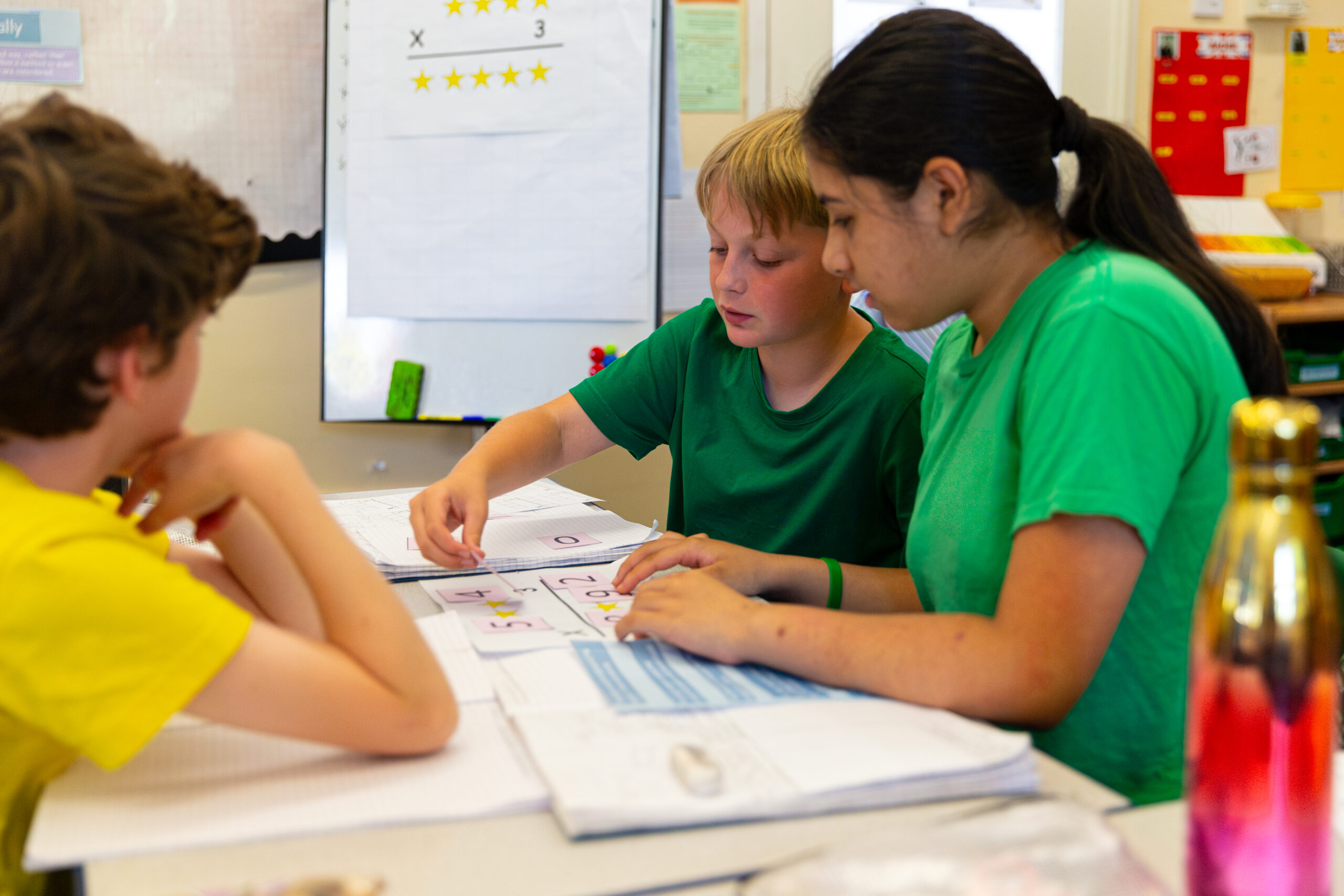
Small Group
- Small group activity takes place in the classroom
- Ideally groups are of no more than 4 learners because this supports contribution from the whole group
- Ideally groups are of mixed English proficiency
- Adults plan intentionally to speak less than learners
- Research tells us that small-group instruction can accelerate language and literacy development, particularly for those groups at risk of under-attainment