
Global Environmental Challenges Seminar and Masterclass series 2026
During the first half of 2026 the UoR-NHM Partnership will be running a second series of events intended to highlight and support collaborative, interdisciplinary research on global environmental challenges.
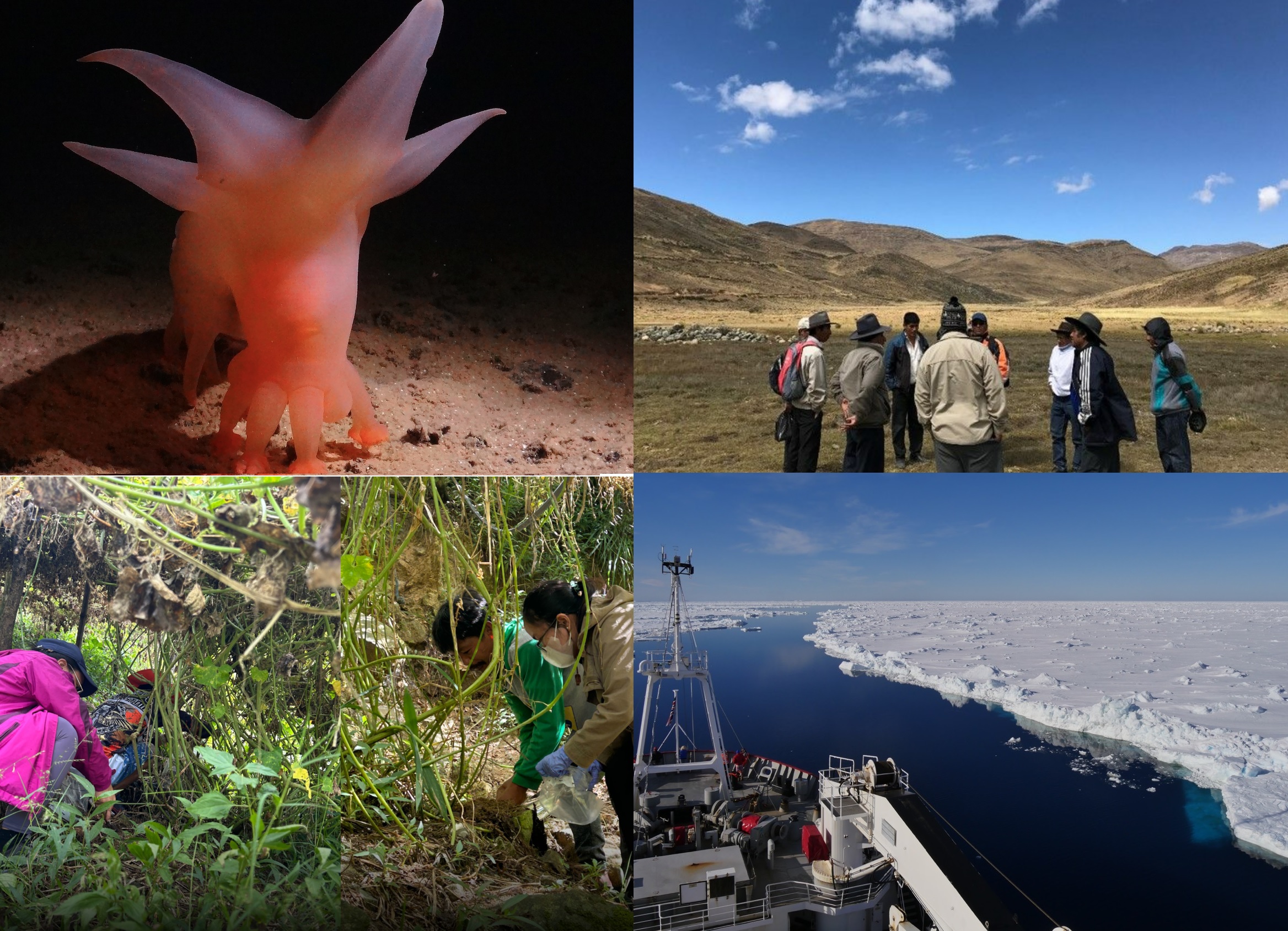
Four cross-institutional keynote seminars aiming to raise the profile of interdisciplinary research in areas of sustainability, biodiversity, and environmental challenges will be presented, led by researchers from UoR and NHM who have successfully designed proposals for large, interdisciplinary projects, including Prof Joy Singarayer and Prof Nick Branch, Dr Anne Jungblut and Dr Ana Santos, Prof Julie Hawkins, and Dr Adrian Glover.
These seminars will be delivered in hybrid mode, and are open to all staff and postdocs from both institutions. Seminars will not be recorded.
The seminars will be paired with a concurrent set of masterclasses led by the seminar presenters. The masterclasses aims to support professional development by focusing on what it takes to lead complex cross-disciplinary, multi-institutional projects. They are especially targeted at mid-career research-active staff who might be starting to develop proposals to lead research activity on a larger and/or more complex scale.
Seminar Programme
|
Wed 28 Jan, 1-2pm at NHM |
Prof Joy Singarayer and Prof Nicholas Branch, and Prof Kevin Lane (University of Buenos Aires) |
ACCESS to CROPPs: water and food security for smallholders in the rural Peruvian Andes |
|
Wed 25 Feb, 1-2pm at UoR |
Dr Anne Jungblut and Dr Ana Santos |
People, Nature and Mining: a multidisciplinary approach to legacy mine rehabilitation – join on Teams here |
|
Wed 22 Apr, 1-2pm at NHM |
Prof Julie Hawkins |
How I became an ethnobotanist (or did I?) |
|
Wed 20 May, 1-2pm at UoR |
Dr Adrian Glover |
Balancing the need for economic growth and environmental regulation: a case study from the deep sea |
Registration is now open for the third seminar and masterclass, booking for the fourth sessions will start in April so please save the date if you are keen to attend.
Seminar #3 Wednesday 22 April, 1-2pm
 Prof Julie Hawkins, University of Reading
Seminar (hybrid, Flett Auditorium, NHM South Kensington and online):
How I became an ethnobotanist (or did I?)
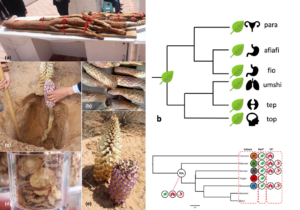
Julie Hawkins’ PhD was in plant systematics and evolution, and for the first ten years of her research career she pursued questions about morphological characters, species limits, phylogeny and speciation. Then, in 2007, she spotted a call to supervise a studentship in medicinal plants, and so began a new direction in the application of phylogenetic methods to understand the selection of medicinal plants. Her research talk charts this career journey.
Masterclass #3 Wednesday 22 April, 2-4pm
Masterclass (in person ONLY, at NHM South Kensington):
Interdisciplinary research and career trajectories: How we work together
This will be an interactive masterclass with some storytelling, which we hope will spark fresh insights into how we collaborate, communicate, and navigate the diverse personalities we encounter in our research careers. Through a short exercise and discussions, participants might gain
-
A deeper understanding of their own working style
-
An appreciation of the different approaches others bring
-
Insights especially relevant to interdisciplinary collaboration
Please register to attend the seminar and/or the masterclass using this form by Monday 13 April. Joining instructions for both in-person and online attendance will be sent to all those who have registered a week before the event.
Please note that in order to provide opportunities for in-depth conversations and focused learning, masterclass attendance will be limited to c. 20 members of staff. The Partnership is committed to building capacity for distributed, institutional leadership in research-active staff at both UoR and NHM, and this series of masterclasses aims to support professional development by focusing on what it takes to lead complex cross-disciplinary, multi-institutional projects. Should we receive more than 20 requests to attend the masterclass, we will need to allocate places by considering career stage and perceived potential for developmental benefit.