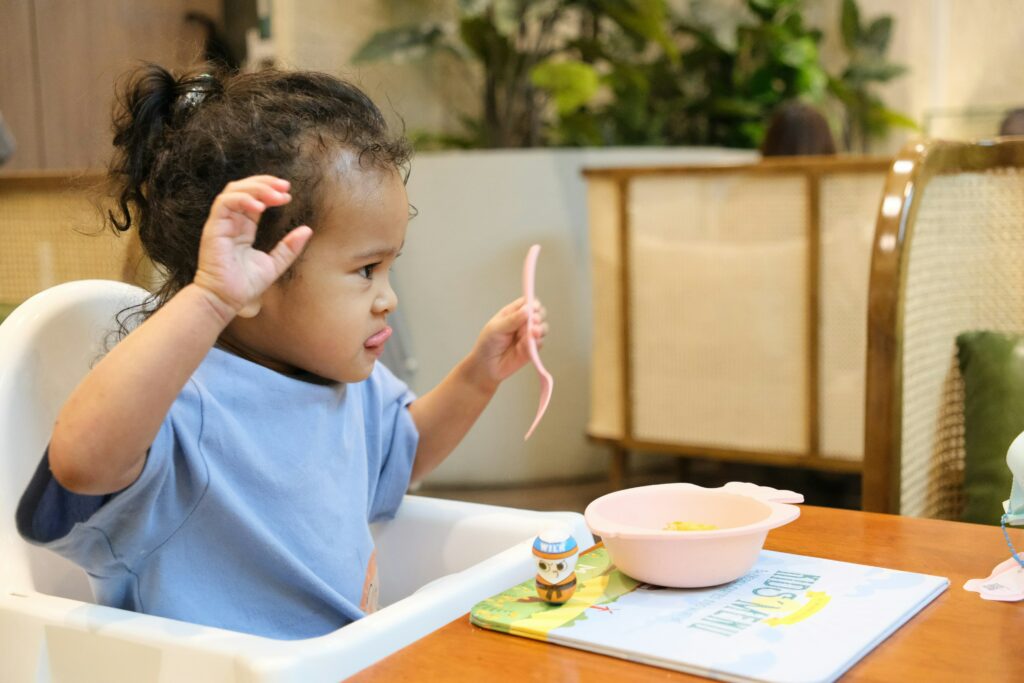

As children grow, parents may wonder if breastfeeding continues to be valuable. Once children are eating solid food people may hear that breastfeeding is “only for comfort” or even that their milk turns to water! This guide explores evidence based benefits of breastfeeding1.
The World Health Organization recommends breastfeeding for “two years and beyond” because the benefits don’t stop at six months or one year. While it’s normal for children to take less milk as they grow, breastmilk adapts to meet their changing nutritional and immune needs. Whether for protection from illnesses, vital nutrition, emotional connection, or maternal health, breastfeeding continues to offer value for both mother and child, for as long as both are happy to continue.
Immunity as they explore
When your child begins crawling and explores their environment (often putting anything they find straight into their mouths), starts using daycare or regularly interacts with other children, exposure to new germs is inevitable. Fortunately, breastmilk evolves to meet these challenges.1 After around six months of age babies can start to eat family foods. At this point their milk intake slightly reduces. After 12 months it often reduces further. As your child’s milk intake decreases, breastmilk becomes more concentrated with immunity-boosting properties. It contains higher levels of lysozymes, enzymes that offer antibacterial, anti-inflammatory, and anti-infective benefits. Breastmilk at this stage is particularly rich in targeted immunity factors, helping protect your child from common illnesses like colds and ear infections. This natural defence system can also reduce the number of sick days your child experiences, which means fewer days off work for you2.
Nutritional Powerhouse
Breastmilk remains a vital source of nutrition even after your child starts eating solid foods. Between 12 and 24 months, just 448 millilitres of breastmilk can provide3:

Connection and Emotional Reassurance
Breastfeeding offers more than just physical nourishment – it’s a comforting ritual that strengthens the emotional bond between you and your child. As you return to paid work or spend more time apart, breastfeeding provides a chance to reconnect and recharge, both physically and emotionally. For many breastfeeding mothers, these moments of closeness help ease the challenges of balancing work and parenting, while providing a sense of continuity for the child.
Maternal Mood and Health Benefits
Breastfeeding also provides benefits for mothers4. It has been shown to reduce the risk of breast cancer and might protect against type 2 diabetes, hypertension, and ovarian cancer. Furthermore, the act of breastfeeding releases oxytocin, a hormone that promotes relaxation and can help combat stress and anxiety. These benefits make breastfeeding not only an investment in your child’s health but also in your own long-term wellbeing.
References
- Fron, A., & Orczyk-Pawilowicz, M. (2024). Breastfeeding beyond six months: Evidence of child health benefits. Nutrients, 16(22), 3891.
- Cohen, R., Mrtek, M. B. and Mrtek, R. G. (1995). Comparison of maternal absenteeism and infant illness rates among breast-feeding and formula-feeding women in two corporations, American Journal of Health Promotion, 10(2), 148-153.
- Dewey, K. G. (2001). Nutrition, growth, and complementary feeding of the breastfed infant. Pediatric Clinics of North America, 48(1), 87-104.
- Victora, C. et al. (2016) Breastfeeding in the 21st century: epidemiology, mechanisms, and lifelong effect, The Lancet, 387(10017), 475-490.