
Understanding diet in disadvantaged communities: The essential role of community researchers in collaborative and innovative nutrition research
Manik Puranik
Improving the food system begins with understanding what people eat and the challenges they face in accessing healthy food. However, there is limited reliable dietary data from disadvantaged communities. The last dedicated Low Income Diet and Nutrition Survey was conducted more than two decades ago, leaving a significant evidence gap and limiting the ability of policymakers and funders to design effective, targeted interventions.
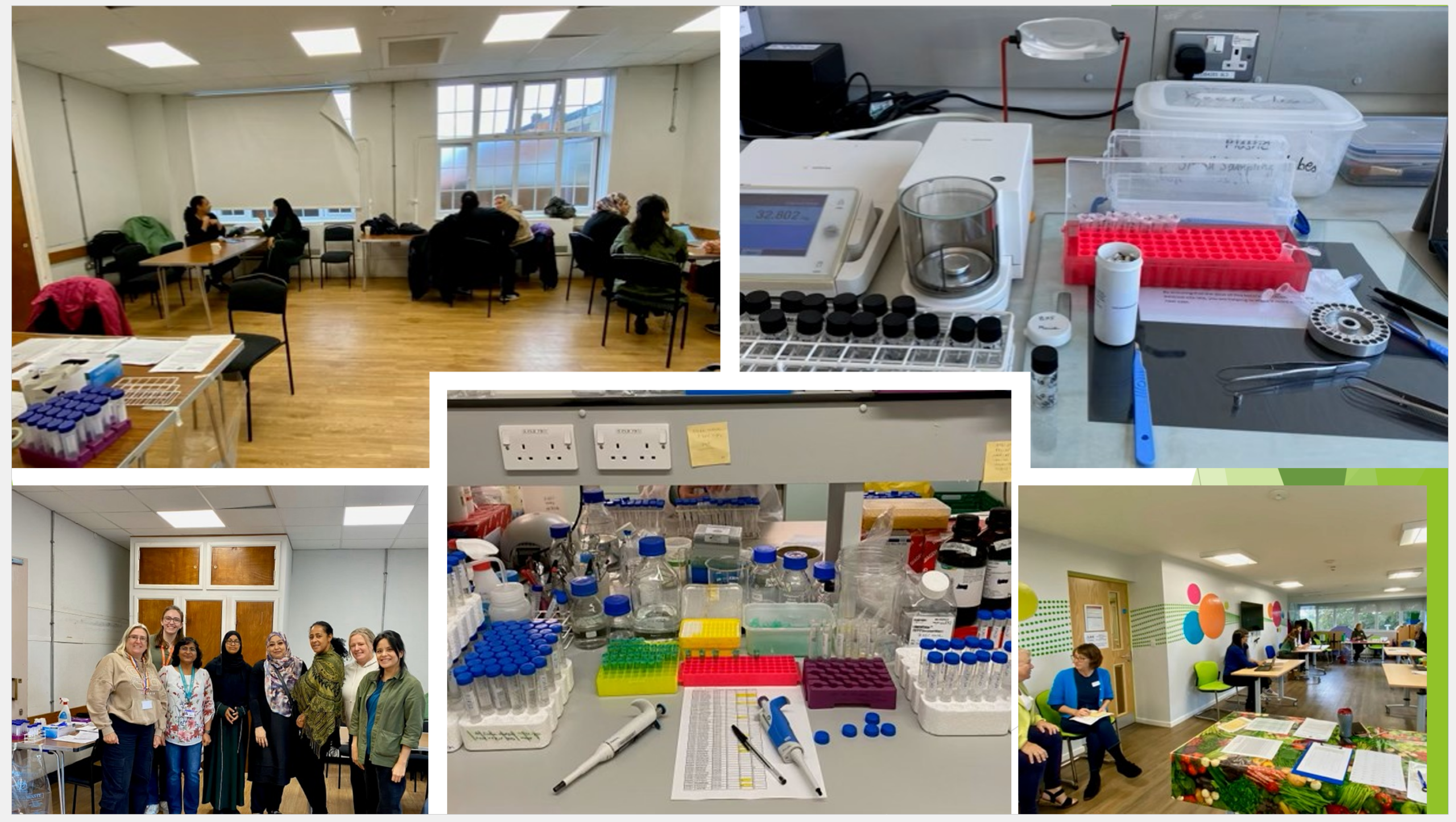
Our research within FoodSEqual addressed this challenge using a collaborative and innovative approach to assess dietary intake. We combined two complementary methods: self-reported dietary assessment and objective nutritional biomarkers. Participants completed 24-hour dietary recalls, providing detailed information on their food and drink consumption. While this method offers valuable insight into dietary habits, it can be affected by misreporting, memory limitations, or difficulties in estimating portion sizes.
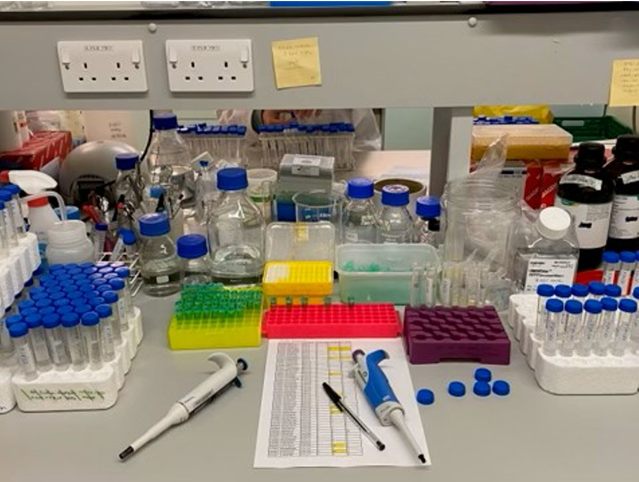
To strengthen accuracy, we also analysed biomarkers in urine and hair samples. Urine biomarkers provided objective indicators of dietary intake, including sugar, salt, and markers associated with fruit and vegetable consumption. Hair samples offered insight into longer-term dietary patterns, particularly protein sources. By combining self-reported data with objective biomarkers, we obtained a more comprehensive and reliable understanding of dietary intake.
Community researchers and community partners were central to the success of this work. Their trusted relationships, cultural understanding, and deep knowledge of their communities enabled meaningful and respectful engagement with participants. They played a key role in recruiting participants, explaining the research in accessible ways, addressing concerns, and conducting 24-hour dietary recalls. Their presence helped participants feel comfortable, confident, and valued. Community hubs also provided safe and familiar environments, encouraging open and inclusive participation.
This research highlights the value of community-engaged science. Community researchers acted as a vital bridge between researchers and communities, ensuring the research was inclusive, culturally appropriate, and grounded in lived experience. Their contributions strengthened the quality and relevance of the data and helped ensure that the voices of disadvantaged communities are represented, supporting the development of more effective and equitable food policies.