

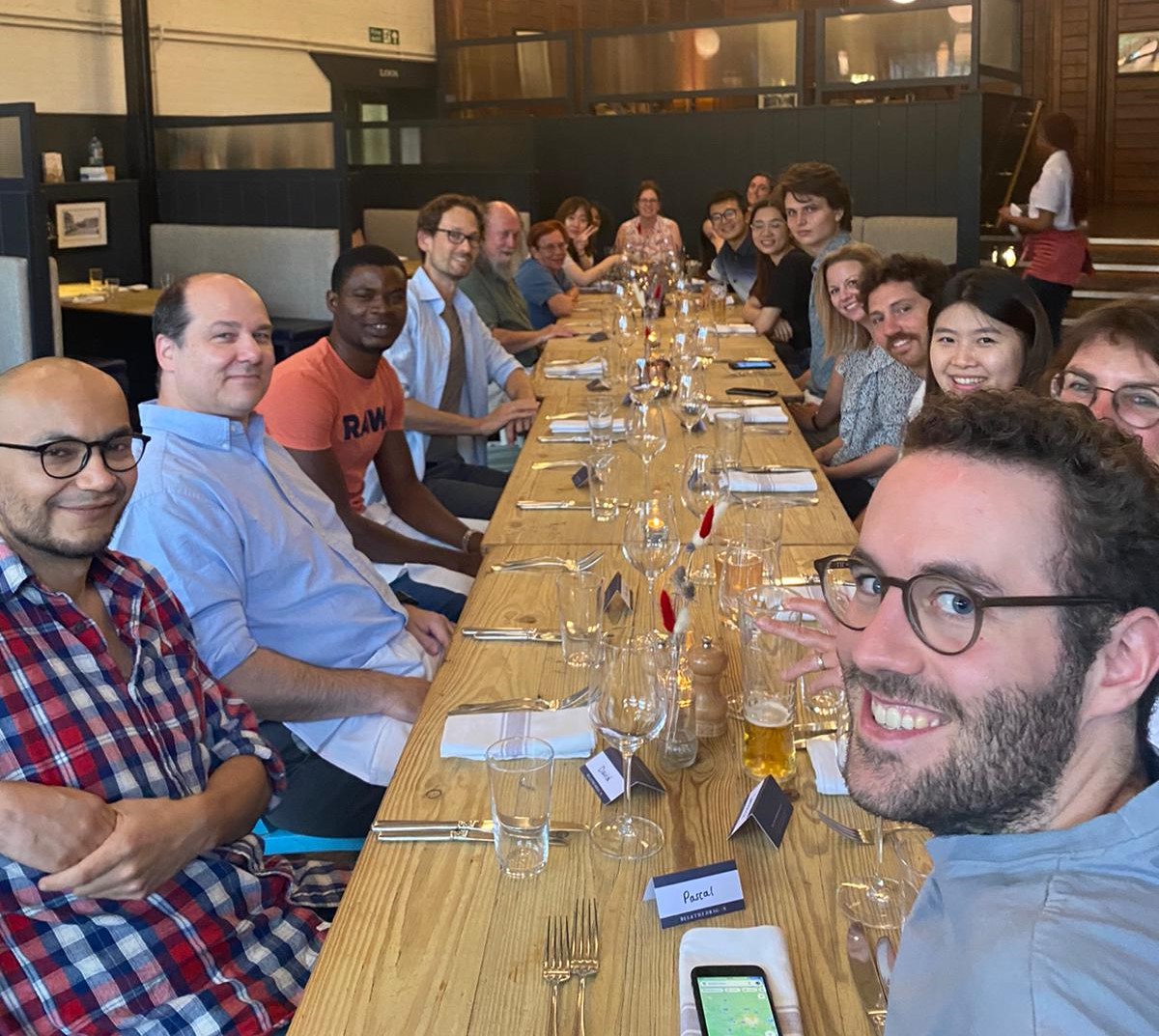
Following on from the MMEE conference, members of the LEMONTREE team stayed for a further 2 days of project meetings. It is the first time the team has meet in…Read More >
Blogs
Optimality mini-symposium at the 8th MMEE conference
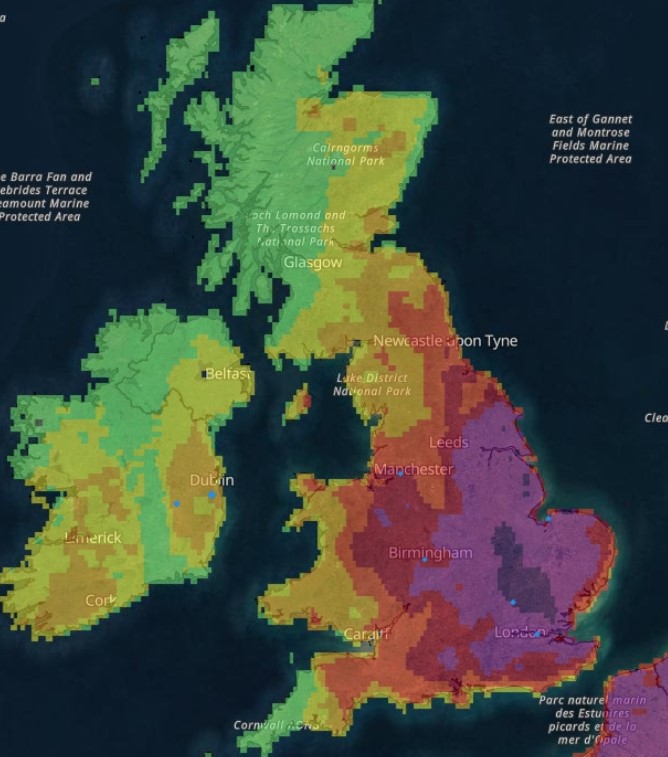
The week of the 18th July 2022 was the hottest on record in the UK, a sweltering 40°C. The headlines were filled with climate change and how these extremes will…Read More >
Extreme heat in the UK and wildfires: why we should expect it to happen again
On Friday 15th July 2022, the UK Met Office issued its first ever Red Warning for exceptional heat. Over the following two days, temperatures across the UK broke records, reaching…Read More >
LEMONTREE experimental scientists ascend upon the Rocky Mountains to test eco-evolutionary optimality theory
The experimental plant physiology group from Texas Tech University (TTU) traveled to the Rocky Mountains to test eco-evolutionary optimality theory along a >1000-meter elevational gradient in support of the LEMONTREE…Read More >

Year 1 highlights
And just like that, we have already finished the first of five and a half years of the LEMONTREE project. Whilst LEMONTREE officially started on the 1st January 2021, it…Read More >
TIMING IS EVERYTHING- LEMONTREE SCIENCE MEETING- JUNE 2022
The focus for our June Science meeting, was phenology and phenological strategies as part of Challenge 1: Optimality at the leaf and plant levels, where we plan to develop a…Read More >
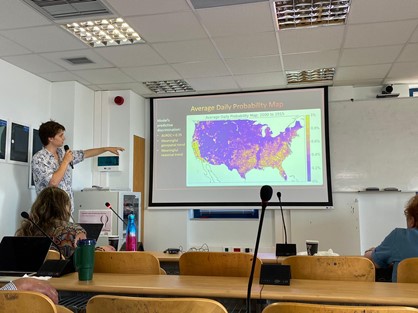
LEMONTREE goes to Crete: Fire in the Mediterranean By Theo Keeping

On the 15th of June, members of LEMONTREE working on wildfire attended a meeting at the Technical University of Crete, hosted by the Leverhulme Centre for Wildfires, Environment and Society…Read More >
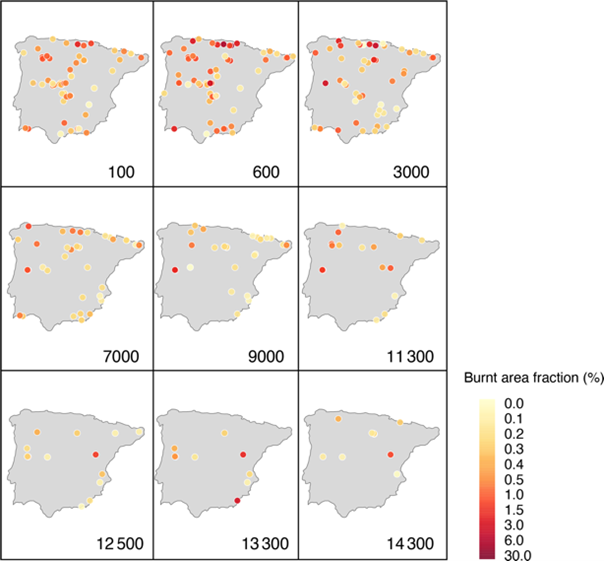
A novel method for using pollen records to reconstruct historic fire regimes – By Natalie Sanders and Yicheng Shen
The Iberian Peninsula, home to Mediterranean beaches and mountains, pine trees and paella, sangria and siestas. But this southwestern region of Europe, mostly comprised of Portugal and Spain, is also…Read More >
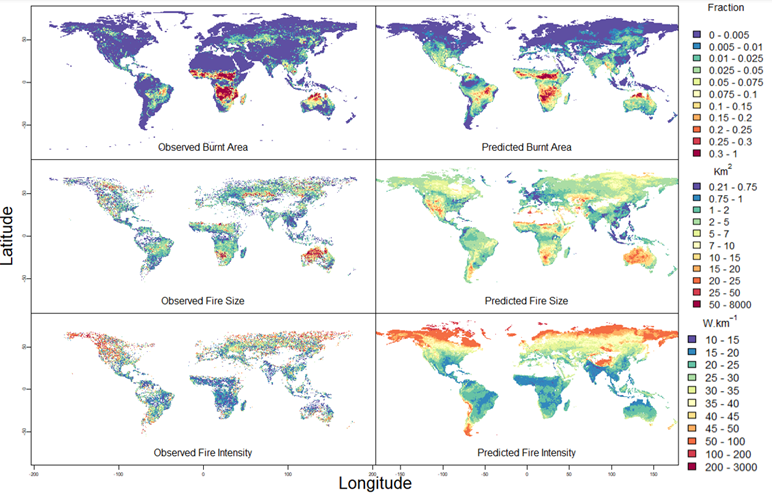
Furthering our understanding of the global patterns of burnt area, fire size and fire intensity – By Olivia Haas and Natalie Sanders
Wildfires are a fundamental ecological process, but studying wildfire patterns and properties at a global scale is challenging. Understanding wildfire processes however, is essential to fully describe global vegetation distribution…Read More >
EEO at EGU: The LEMONTREE team present the Eco-Evolutionary Optimality theory – Natalie Sanders
Now that EGU (European Geosciences Union) General Assembly for 2022 has come to a close and everyone is back to work, it’s been good to reflect on the week and…Read More >