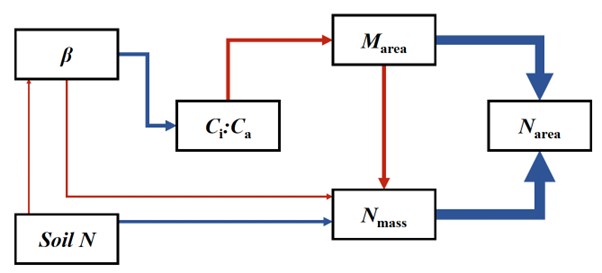

LEMONTREE’s Giulia Mengoli has plenty of reasons to celebrate this month. Not only did she recently successfully defend her PhD, but a key paper led by her has also been…Read More >
Blogs

LEMONTREE in the field: Exploring the biodiversity and functional traits of China’s forests.
Figure 1. The Fieldwork team including members from LPICEA, LEMONTREE’s Colin Prentice, Sandy Harrison and Wang Han, and Masters students from Fujian Normal University The LEMONTREE project, led by Wang…Read More >
Unlocking the Secrets of Carbon Turnover: Insights from Radiocarbon Analysis in the 1960s
Introduction Exciting new research by LEMONTREE PI Dr. Heather Graven and her team has been published in the journal Science, shedding new light on global carbon turnover in terrestrial vegetation….Read More >
Modelling Fire in France: From Global to Local
Introduction Recently, one of our LEMONTREE postdoctoral research associates, Olivia Haas, went to Montpellier in France to work alongside the team at the Centre d’Ecologie Fonctionnelle & Evolutive (CEFE) as…Read More >
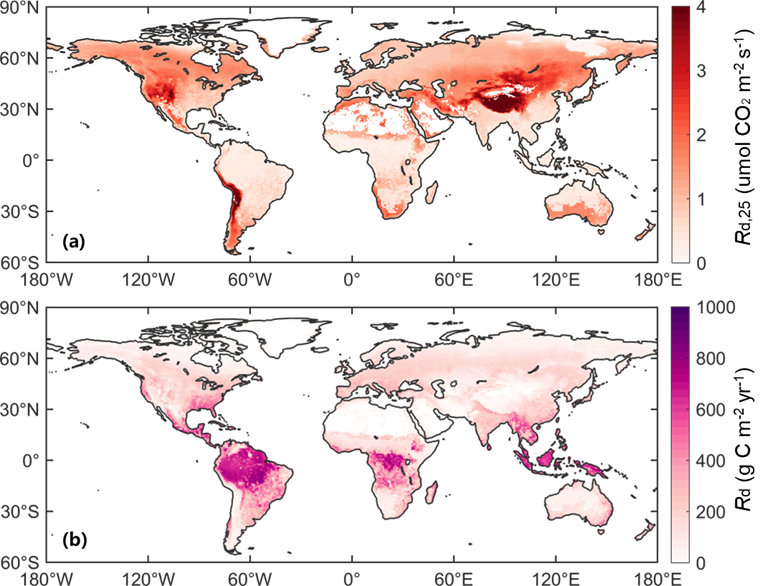
Plant respiration: the role of night-time temperature and Vcmax

Introduction We are excited to share ground-breaking research published in the New Phytologist that explores the intricate world of leaf respiration in plants. This research, led by PhD student Yanghang…Read More >
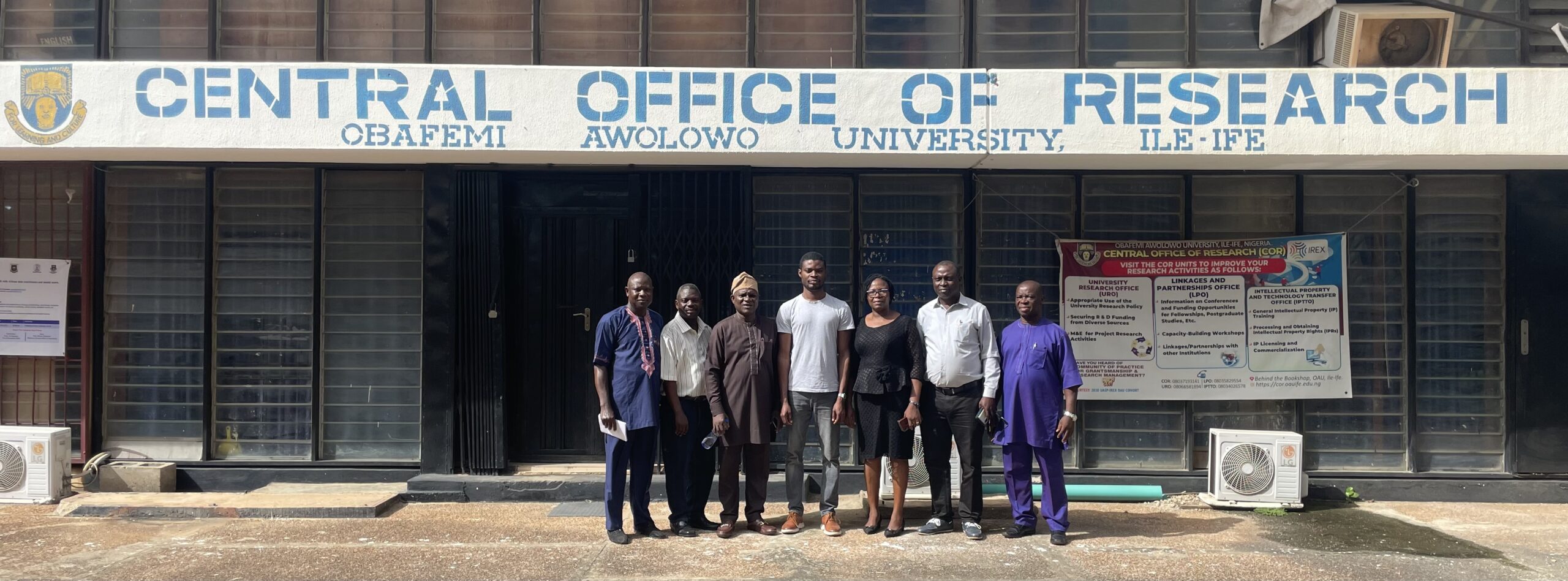
Bridging the gap in terrestrial ecosystem research between the UK and Africa.
By Joseph Ovwemuvwose Introduction The world of scientific research is marked by its desire for data, the lifeblood of knowledge. However, a glaring disparity exists when it comes to data…Read More >
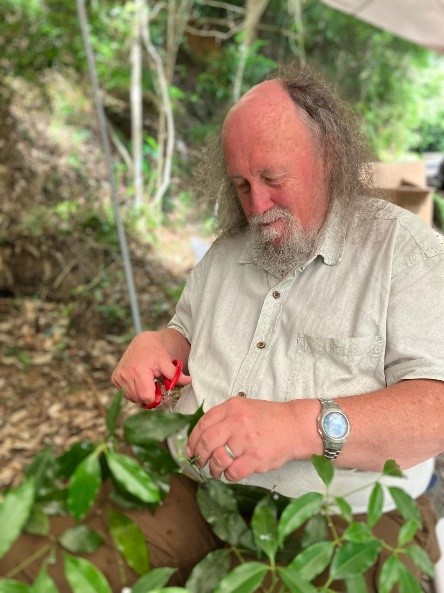
In the field: Tropical Plant Trait Survey
Introduction Nature has always fascinated us with its diversity, and one of the most diverse ecosystems on our planet can be found in tropical rainforests. These lush green wonders are…Read More >
Unravelling the impact of soil moisture stress: Insights from the LEMONTREE science theme meeting
INTRODUCTION The LEMONTREE science-themed meeting held on July 13th, 2023, delved into the critical topic of soil moisture stress. We heard from Giulia Mengoli, Jisu Han, Olya Skulovich and Wenli…Read More >
A global function of climatic aridity accounts for soil moisture stress on carbon assimilation. By Giulia Mengoli
Little pores on the leaf surface called stomata regulate the carbon intake and the water loss making these two tightly coupled. Plants assimilate carbon dioxide from the atmosphere to grow…Read More >
Understanding Nitrogen’s Role: LEMONTREE science meeting reveals new perspectives
In our last LEMONTREE science meeting, we heard from our Nitrogen Cycle working group. In this meeting, we heard from some members of the team about their research on the…Read More >