
We’re proud of all the research papers, studies, reports and other academic outputs that have been published in 2025. All of this hard work contributes towards making Reading a centre for research excellence. So, to reflect the year in research, we’re taking a look at the outputs that made the biggest splash, according to Altmetric.
Altmetric analyses the mentions of research outputs across a variety of channels, from news outlets to social media engagement. The mentions are collated and each output is given a score based on the type and amount of attention received. The advantage of Altmetric data is that mentions can be tracked from the moment an output is published rather than waiting possibly several years for citations to accrue.
If you’d like to know the best ways to get people talking about your next output, you can find useful tips and practical strategies in our newly revised LibGuide, Boost Your Academic Profile.
Here are the top 10 most talked about articles from University of Reading researchers in 2025 – excluding outputs with more than 50 collaborators.
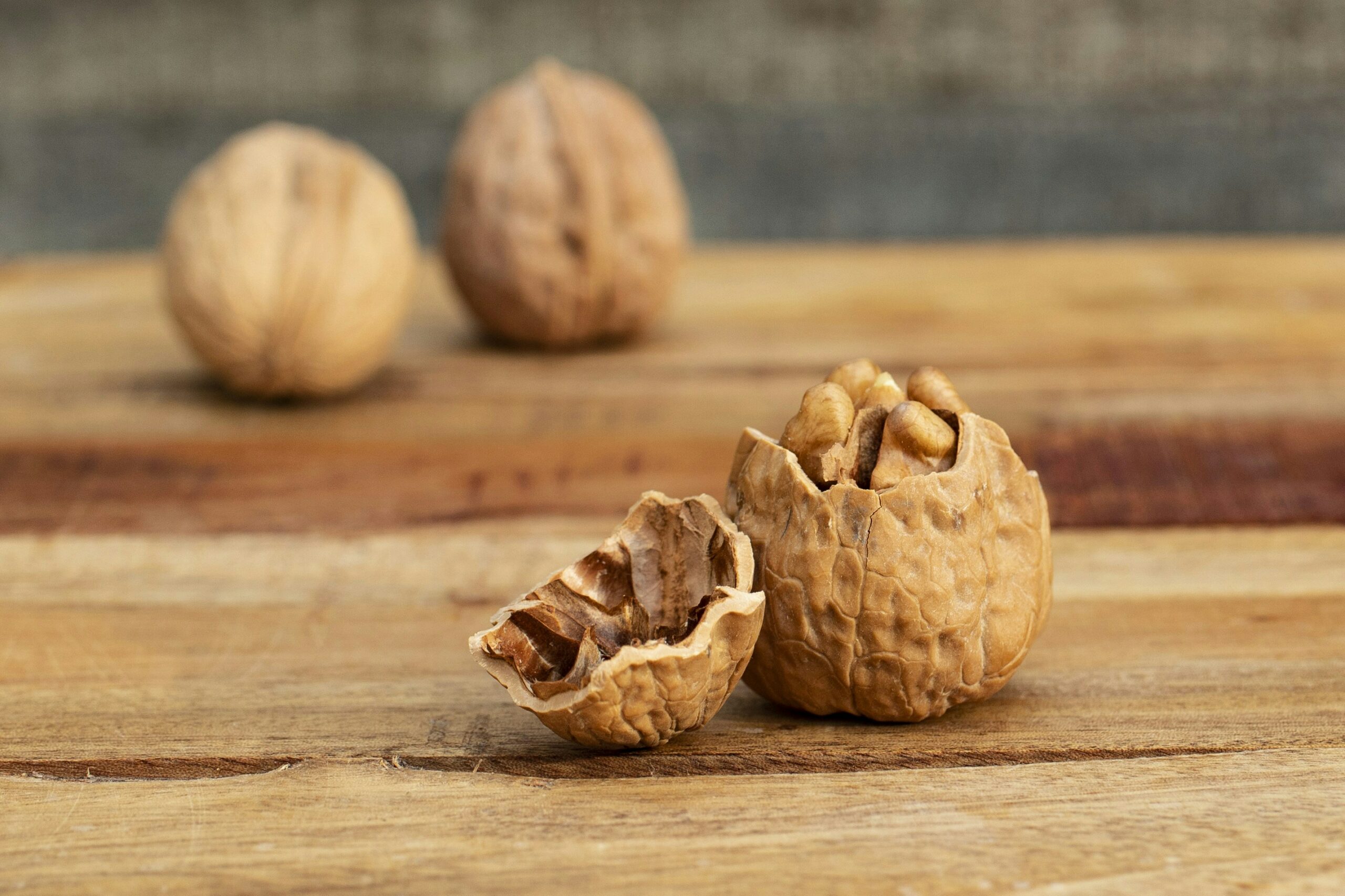
#10. A handful of walnuts for breakfasts could benefit your brain health – Professor Claire Williams
Walnuts, as well as looking like the human brain, can boost cognitive function in young adults. A team led by Professor Claire Williams tested the effects of a walnut-rich breakfast on 32 participants aged 18-30 and found that there was a noticeable ‘mental edge’ when they performed tasks 6 hours later. The research indicates that the nut’s nutrient content may be the reason for this, but that more study is needed to fully understand the phenomenon. Published in Food & Function, this article has been mentioned by 78 news outlets.
Altmetric Attention score: 646
This paper is one of the highest scoring outputs from Food & Function, ranking at #5 out of 5,451.
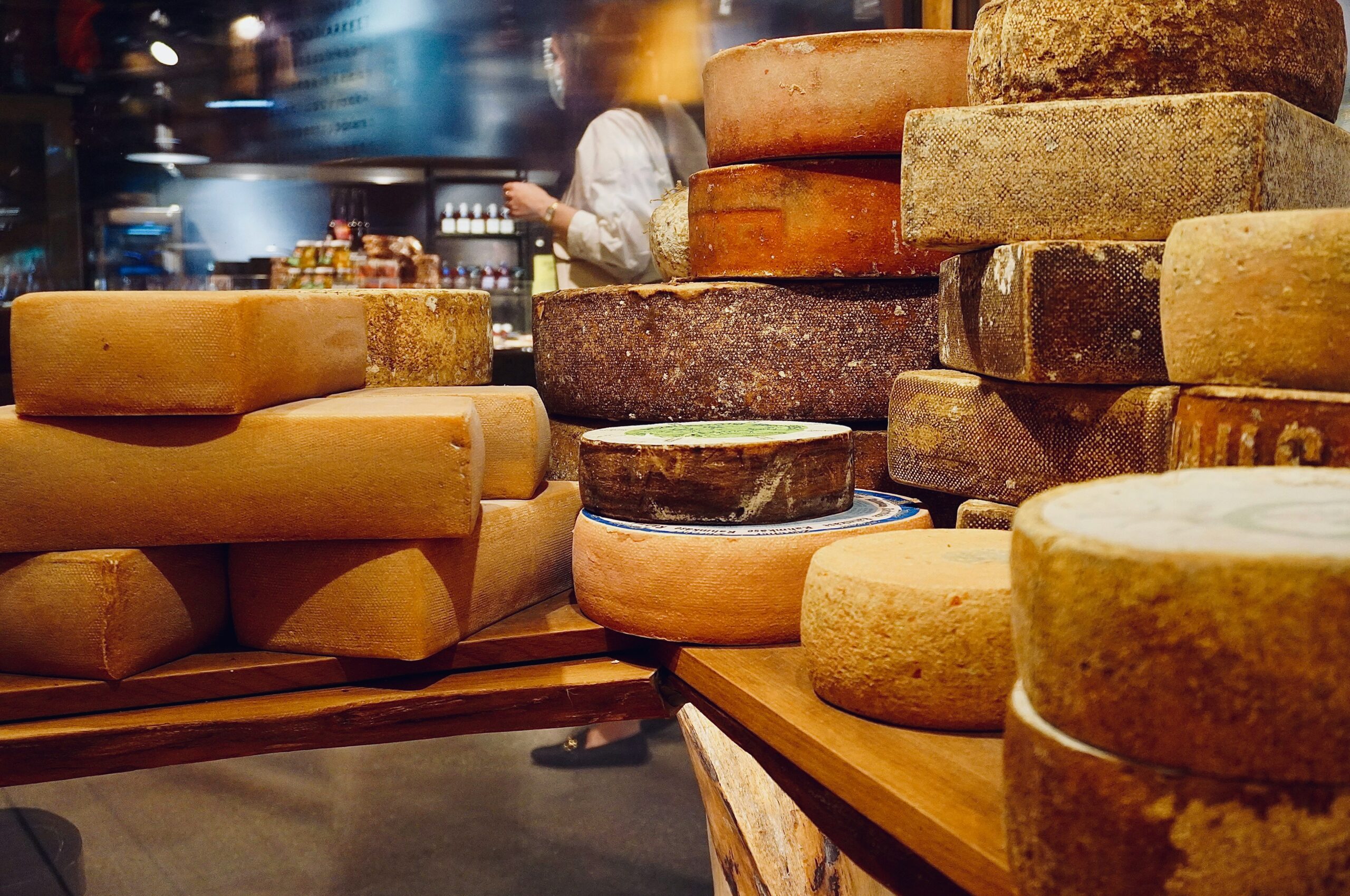
#9. Regular-fat and low-fat dairy foods and cardiovascular diseases: perspectives for future dietary recommendations – Professor Ian Givens
The health impacts of fat content in dairy food is a complex issue in the sphere of food and nutrition science. Professor Ian Givens contributed to a review of the data and discussions surrounding how the fat content of cheese, yoghurt and milk links to cardiovascular disease. Based on this review, published in The American Journal of Clinical Nutrition, the authors found that the evidence doesn’t indicate a direct correlation between the two.
Altmetric Attention score: 692
This study received a balanced mix of readership across social media and news, and is in the 97th percentile for outputs from this journal published in 2025.
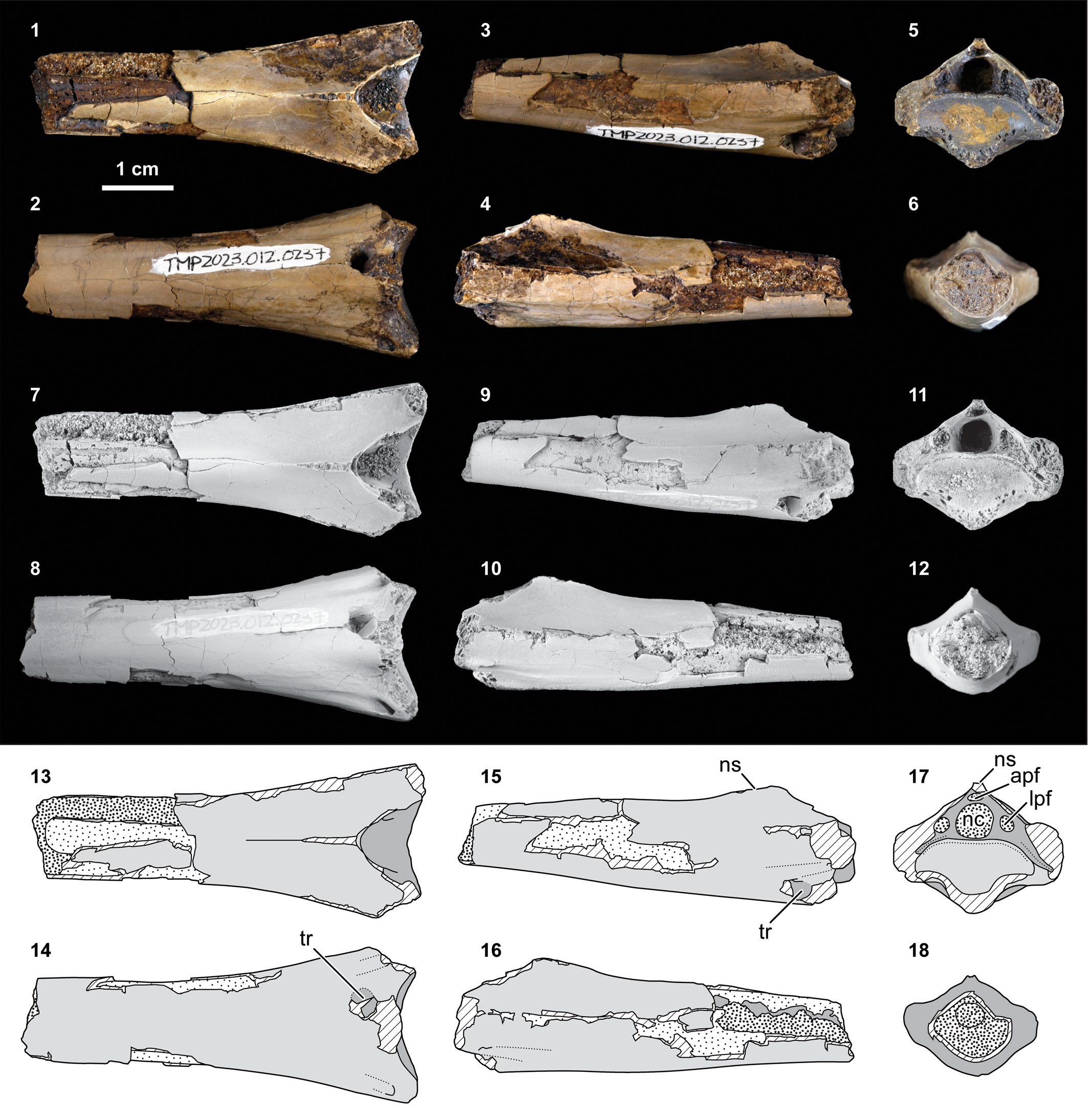
#8. A bite in a Pterosaur fossil shows signs of a dramatic struggle 76 million years ago – Dr Brian Pickles
An ‘exceptionally rare’ example of a pterosaur bone bearing a 4mm-wide puncture from the tooth of a crocodilian was uncovered in Alberta, Canada, during a July 2023 field trip led by palaeontologist Dr Brian Pickles. In 2025, the results from this discovery were published. Using micro-CT scans and comparative studies, it was revealed that this was indeed a real bite, not damage caused after death. After being published in the Journal of Palaeontology, this fascinating discovery received attention both in the news and on social media.
Altmetric Attention score: 801
This is currently the 2nd highest scoring outputs out of all 1,929 items from the Journal of Palaeontology on Altmetric.

#7. 500+ bird species face extinction within the next century – Kerry Stewart
Habitat devastation, climate change, and hunting pose an existential threat to over 500 species of birds, a study lead by Kerry Stewart found. Published in Nature Ecology & Evolution, the researchers found that birds with large bodies are more vulnerable to hunting while their broad-winged brethren face greater adversary due to habitat loss. The research highlighted that many species are too vulnerable to bounce back naturally and will require human intervention to rescue them from the brink of extinction.
Altmetric Attention score: 870
This research is in the top 97th percentile for outputs from this journal in 2025.

#6. Calorie labels on takeaway food are rarely effectual in influence choices – Dr Cherry Law
A survey of 1040 adults living in England was conducted by a team including co-author Dr Cherry Law to gauge the extent to which calorie labels play a part in decision-making when it comes to ordering food. The results of the survey, published in BMJ Nutrition Prevention & Health in August, found that taste and price were the primary determining factors. In fact, 7 out of 10 participants reported not being aware of the labels at all on online menus.
Altmetric score: 926
Attention on this survey came overwhelmingly in the form of news stories from 136 outlets including BBC news. It is also #14 out of 328 outputs from BMJ Nutrition Prevention & Health.

#5. How local measures to cut air pollution in East Asia likely increased global warming – Professor Laura Wilcox
Major clean-up efforts in China and other East Asian nations have resulted in a decrease in aerosol pollutants. However, a study published in Communications Earth and Environment has found that this reduction in pollutants – which have reflective qualities that shade Earth from the Sun – has inadvertently caused a rise in warming globally.
Altmetric Attention score: 927
Since publication, this output has accumulated 451 mentions across social media and news outlets. It also ranks as #44 out of all 2,759 outputs from the journal.
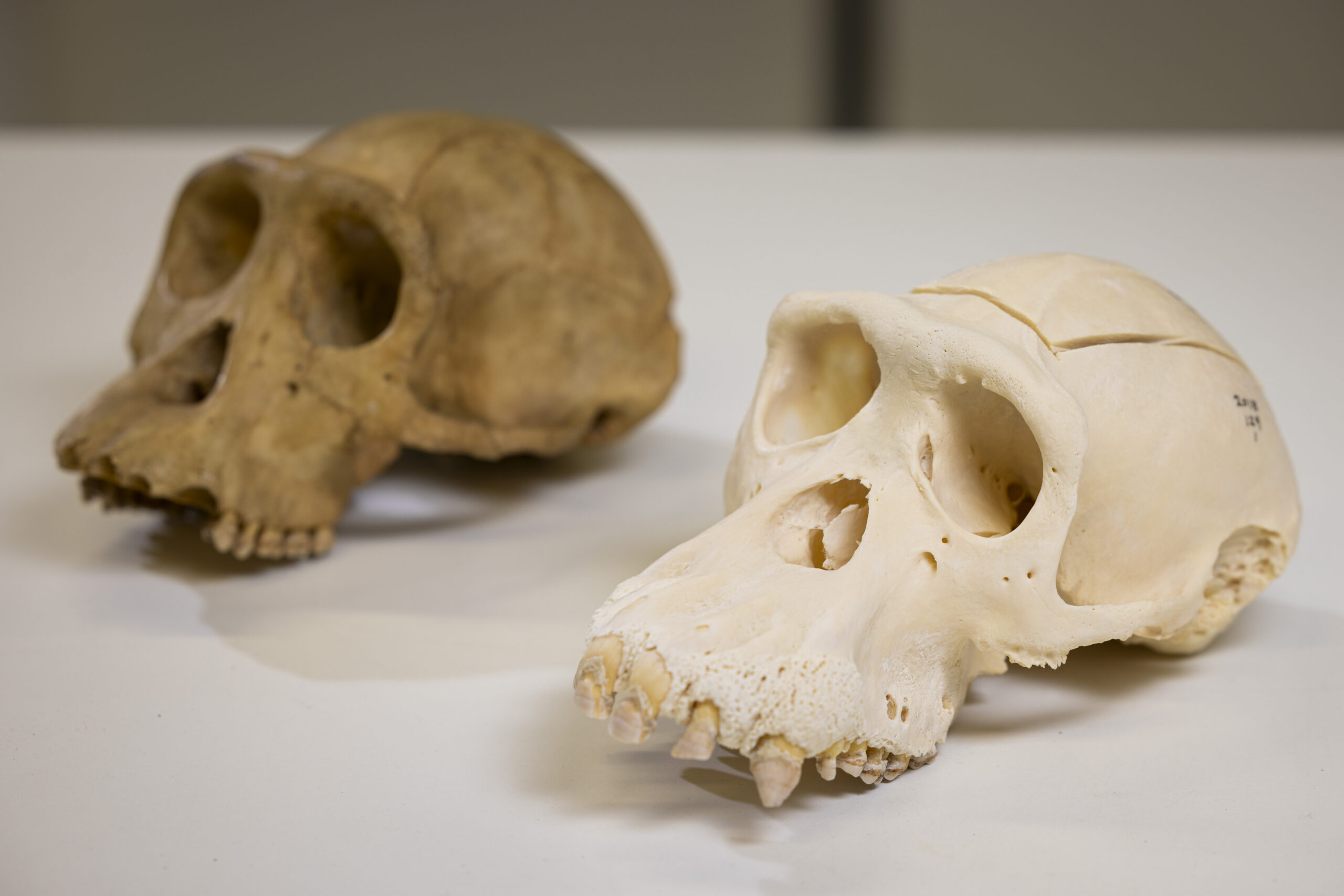
#4. The troubled life of the PG Tips chimp, told through her bones – Dr Stuart Black
Choppers, the ‘star’ of tea brand PG Tips adverts in the 70s, passed away in 2016 after several decades being cared for at Twycross Zoo. A study of her bones traced her story being taken from her natural habitat in Africa to being moved to the UK. This ‘osteobiography’ even showed how her early diet of sugary fruits resulted in an elongated jaw compared to wild chimpanzees. Dr Stuart Black contributed to the study, the most comprehensive of its kind ever undertaken.
Altmetric Attention score: 1005
Published in Scientific Reports, the paper was featured in over 133 news stories, and falls in the 99th percentile for all outputs published in 2025.

#3. Capturing Neptune’s aurorae for the very first time – Dr James O’Donoghue
Imaging from NASA’s James Webb Space Telescope have given astronomers a new view of the dazzling atmospheric activity on the gas planet, something that has never been seen before. The sensitivity of the telescope also allowed the team to measure the temperature of Neptune and discovered that it has cooled by hundreds of degrees since 1989.
Altmetric Attention Score: 1167
This paper was published in Nature Astronomy, 26 March, and was mentioned by 154 news outlets. Compared to other 2025 publications from the journal, it is in the 99th percentile of attention score.

#2. Ocean-surface warming has quadrupled since the 80s – Professor Chris Merchant
As an increasing amount of the Sun’s energy is absorbed by the Earth, our water is retaining more and more of this heat. This study, led by Professor Chris Merchant, found that the rate with which global ocean temperatures are rising has accelerated by 4 times since the 1980s. Published in Environmental Research Letters, the paper provides an explanation to 450 days of record-breaking ocean temperatures experience between 2023 and 2024.
Altmetric Attention score: 1394
As well as 1,122 mentions on social media, this paper’s Attention Score is #19 out of 7,218 from Environmental Research Letters.
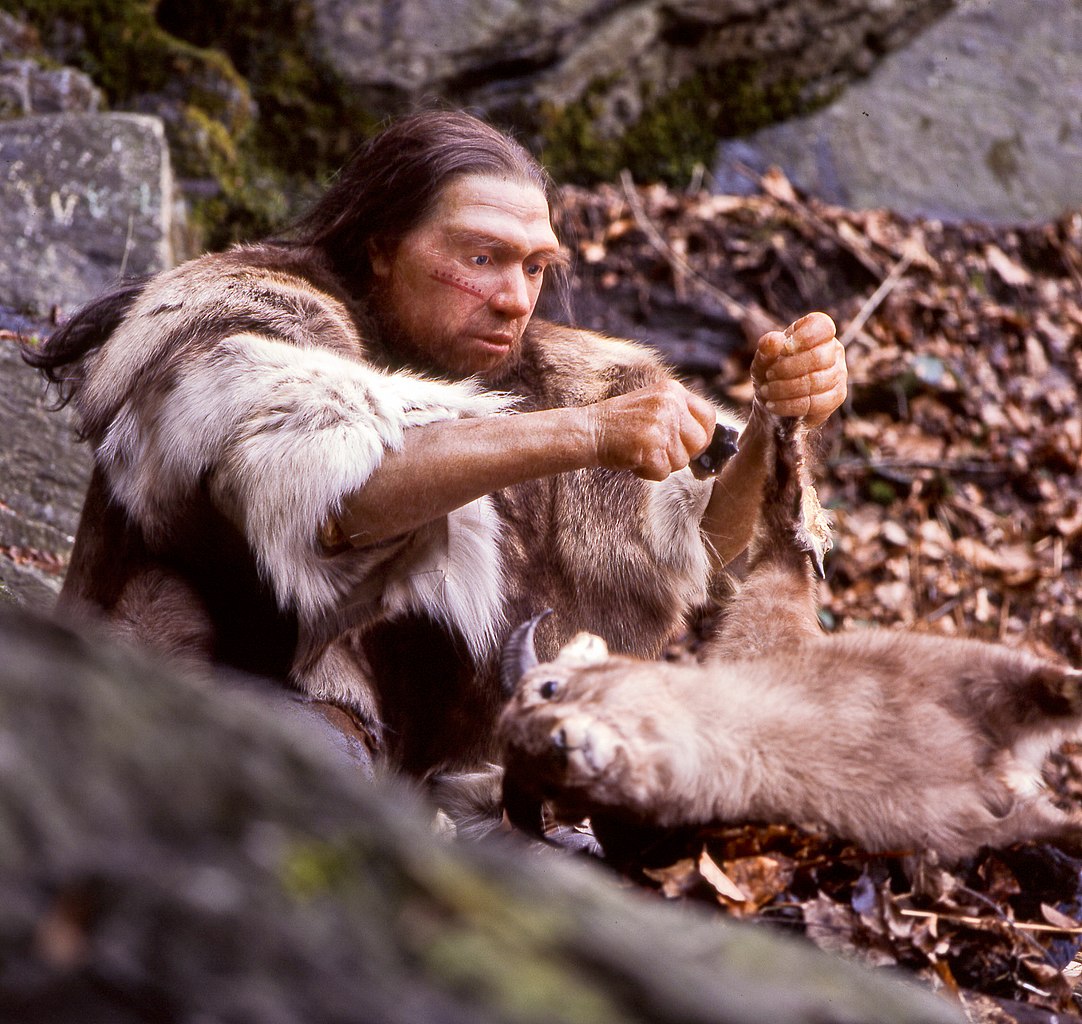
#1. Neanderthals crushed animal bones to hoard fat to survive winter – Dr Geoff Smith
Evidence from an extraordinary well-preserved site in central Germany has revealed that neanderthals were extracting bone marrow on a large-scale, 125,000 years ago. This discovery was notable as it indicates our predecessors gained mastery of this crucial survival skill several millennia earlier than thought.
Altmetric Attention score: 1912
This paper, published on 2 July in Science Advances, proved popular on social media, particularly Bluesky and X with a total 1,888 mentions. It is also in the top 5% off all Altmetric-scored outputs and the top 99th percentile of all Science Advances outputs.
Thank you to all our researchers for their work, and we look forward to seeing what exciting publications come out of 2026!
University of Reading researchers and staff can access Altmetric with their University email account.