
By Dr Keith Bloomfield A general formula for photosynthesis is enticingly simple: take a green plant, add carbon dioxide, water, a handful of nutrients (dominated by forms of nitrogen and…Read More >
Blogs
LEMONTREE at AGU
It’s that time of year. No, not Christmas (well, yes that too) but the American Geophysical Union (AGU) Fall Meeting running all next week (12th to the 16th of December)….Read More >
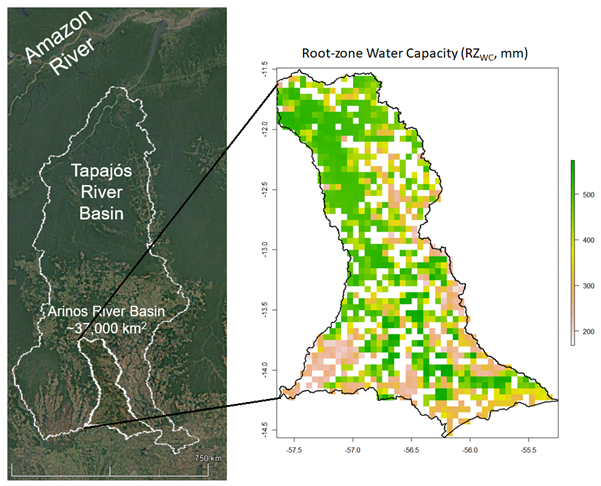
ECOHYDROLOGY: Updates from the November LEMONTREE science meeting
In our November science meeting, we covered an incredible amount of research on the theme of Ecohydrology. We heard from five members of the LEMONTREE team and below is a…Read More >
LEMONTREE PROGRESS UPDATES: April – September 2022 (Q2 and Q3).
Back in July, we posted a blog on the LEMONTREE 1st-year progress report. It has been an incredibly busy summer with fieldwork carried out in the Rocky Mountains to test…Read More >
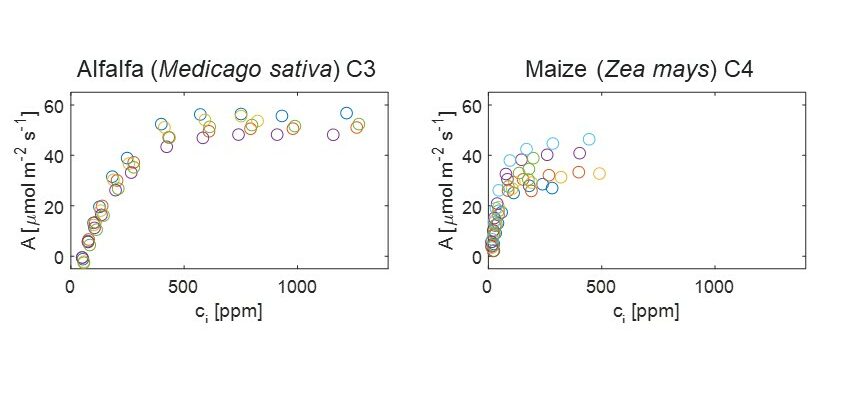
The A/Ci Curve. Updates from the LEMONTREE experimental team
Whilst there are decades of global, remotely sensed data on vegetation cover, biomass and photosynthetic activity, reliable and more accurate models will not emerge from data analysis alone. Most data…Read More >
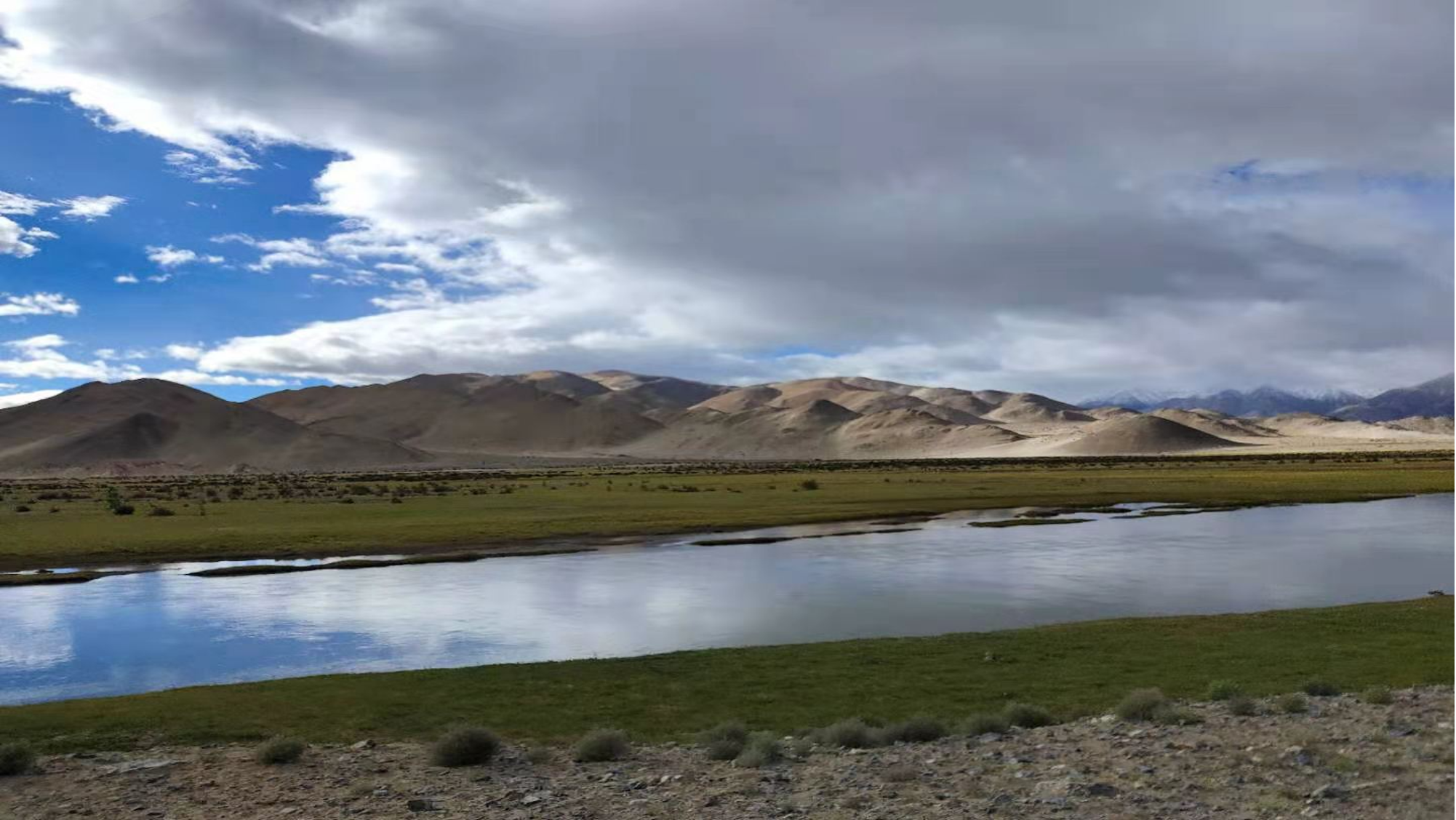
EEO explains the simultaneous greening and browning in the Tibetan Plateau
The Qinghai-Tibet Plateau ©Ziqi Zhu. The Tibetan Plateau, also known as the Qinghai-Tibet Plateau, or ‘the roof of the world,’ is a vast plateau that lies between the Himalayan range…Read More >
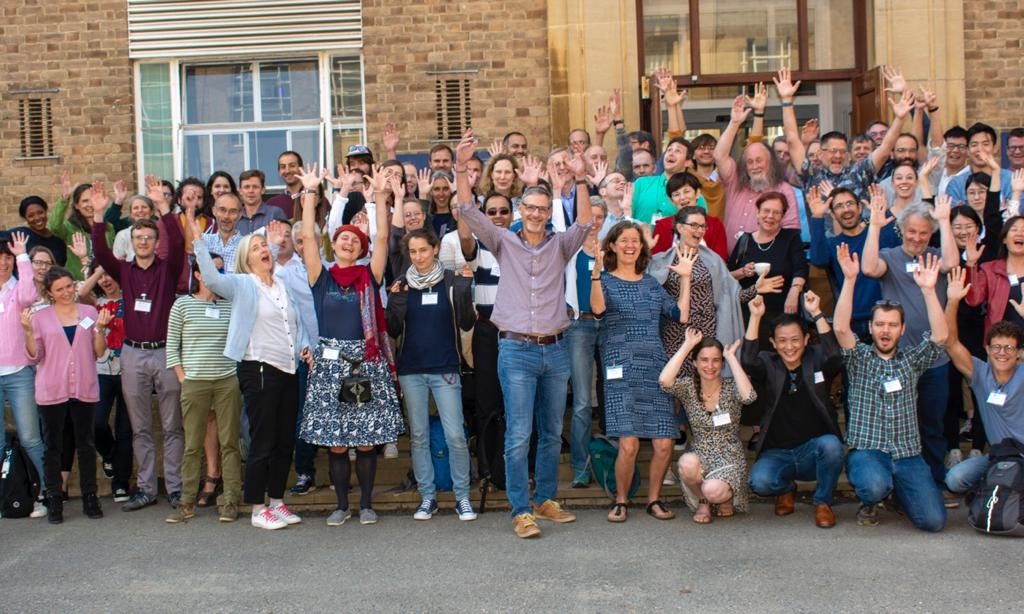
Award-winning optimality talks at the Ecological Society of China Conference, 2022
On the 21st of September 2022, three members of the LEMONTREE team presented their optimality-based talks at the 21st China Ecology Congress held by the Ecological Society of China. This…Read More >

10 Questions with Dr Heather Graven
“We are all connected through the atmosphere and that is really fascinating” Dr Heather Graven is a PI on the LEMONTREE project with her research focused on the use…Read More >

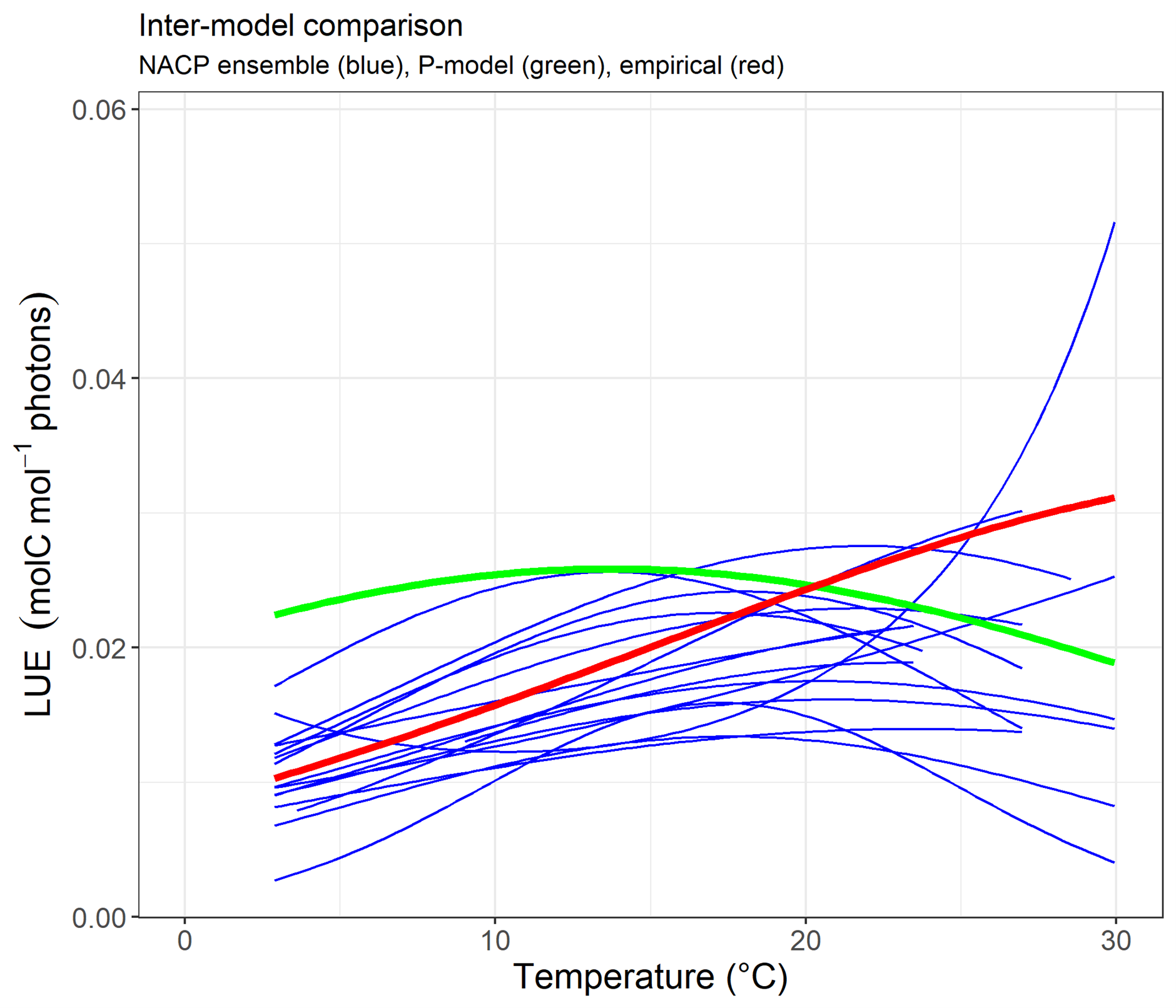
EEO in the context of LSM developments. Land Surface Modelling Summit, 2022.
From the 12th to the 15th of September, Colin Prentice and Sandy Harrison attended the Land Surface Modelling Summit at the School of Geography and the Environment, University of Oxford….Read More >
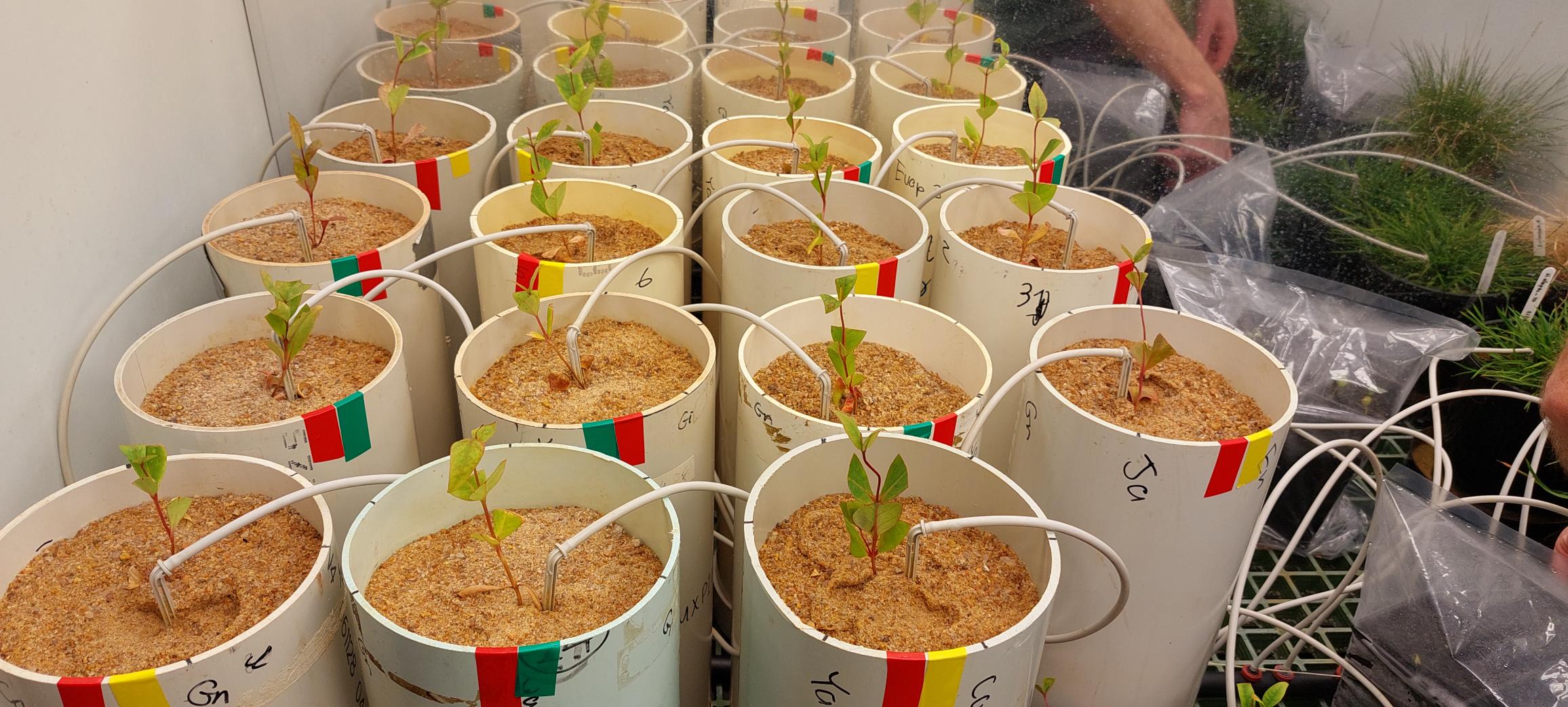
Experimental work at UWA. By Jan Lankhorst and Astrid Odé
In early August, after a long flight from the Netherlands, we touched down in Perth, Western Australia. We were greeted by associate professor Erik Veneklaas and postdoc Paul Drake from…Read More >