
Extension Skills online course
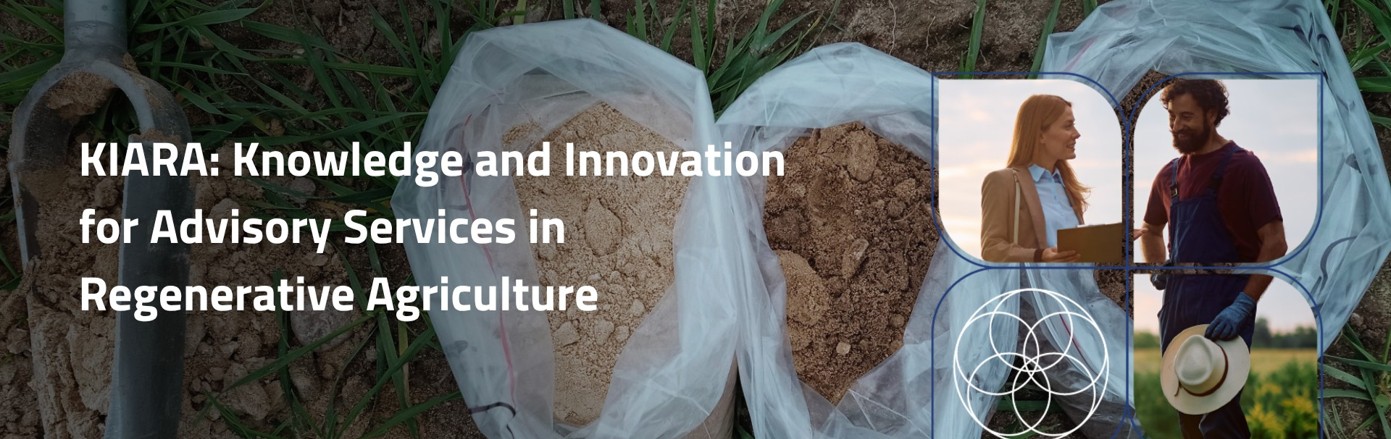
Agricultural extension and advisory training for agricultural advisors
In this part, agricultural advisors will learn methods and skills in extension services – how to effectively communicate with farmers, provide advisory support, and facilitate knowledge transfer.
Structure & Modules: 4 weeks
The course will be made up of four weeks of learning. Each week, there will be materials for independent study, that you can follow at your own pace. There will also be a live interactive session, where you will learn from educators and professionals in the agricultural extension field. You will have the opportunity to interact with other learners, to network and learn from your peers.
The programme is led by the University of Reading (UK) with a consortium of partners to implement this project in Poland, Slovakia and Ukraine: National University of Life and Environmental Sciences of Ukraine (Ukraine), Poznan University of Life Sciences (Poland), the Slovak University of Agriculture (Slovakia), Ukrainian Agribusiness Club (UCAB – Ukraine), Slovak Association of Agricultural Entrepreneurs and Family Farms (SAAEFF – Slovakia), Van Hall Larenstein University of Applied Sciences (Netherlands), University College Dublin team (Ireland) and Climate Farmers Academy (Germany).
Who can attend: Interest or working in regenerative agriculture
The course is meant for those working in, or interested in working in, regenerative agriculture. It is designed for those early in their career in agriculture, who are interested in developing their skills in regenerative agriculture. It is also appropriate for those who are new to agricultural advice services and would like to transition into this sector. There is no requirement for previous training in agricultural extension or agricultural education.
Career opportunities:
Learners will have strengthened professional skills in agricultural advisory services and supporting regenerative agriculture practices. This will increase their career opportunities as agricultural advisors, educators, and agricultural service providers. This will be relevant for those who would like to work independently, with a private or public sector organisation, or for an agricultural training institution.