
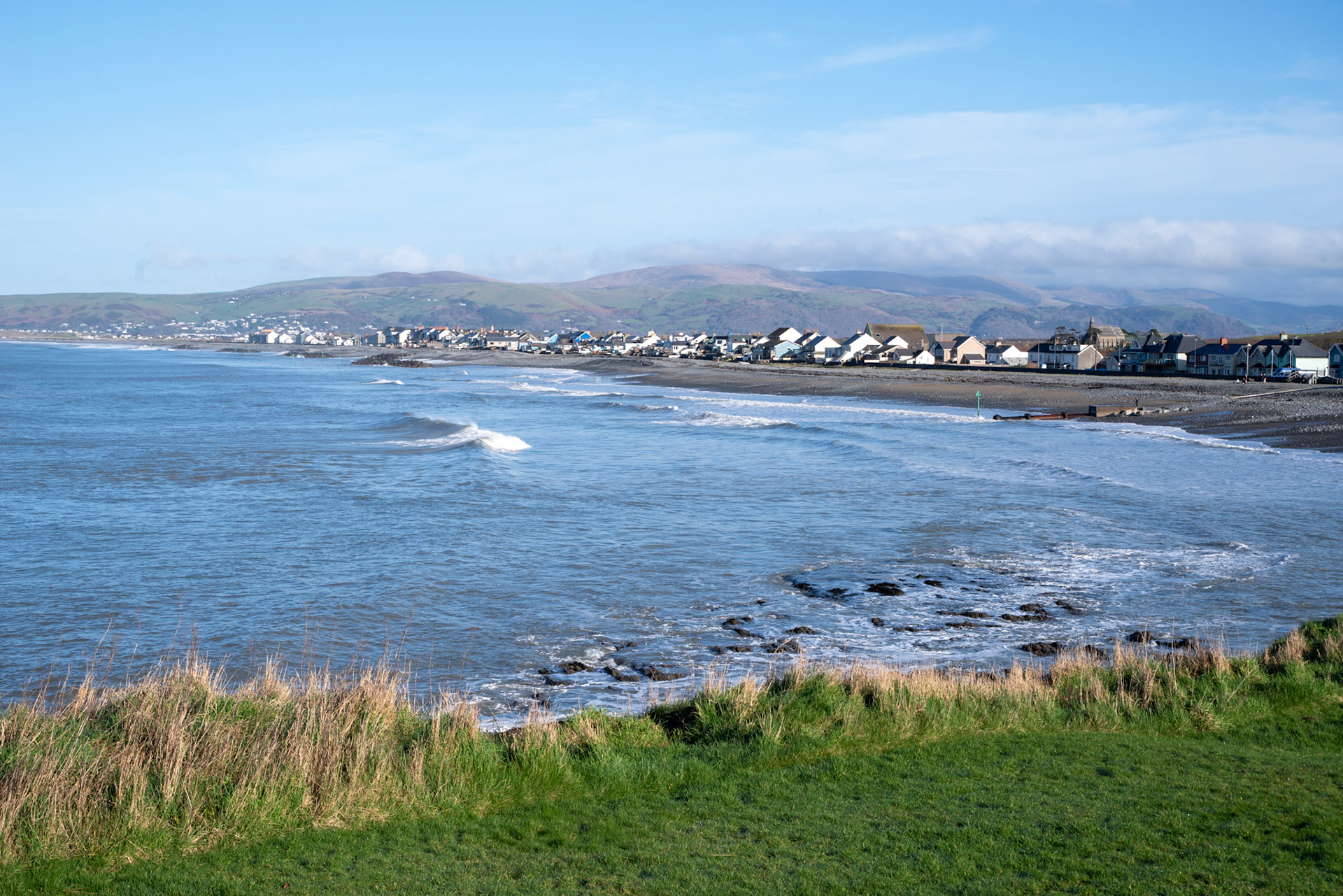
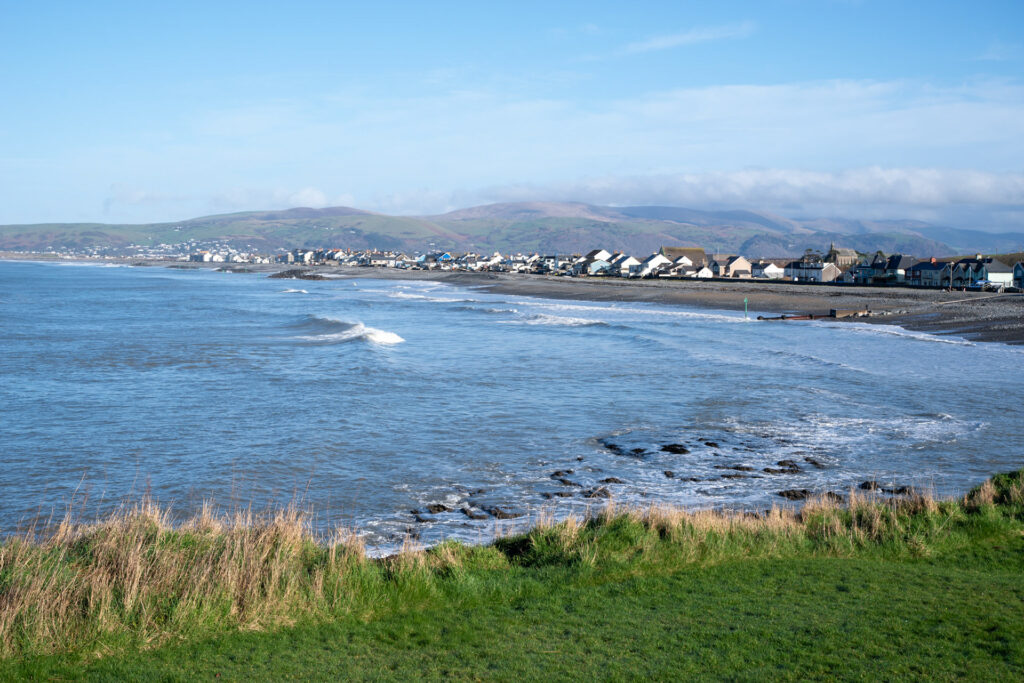
Kim Williams and Dr Alex Arnall explore how the small Welsh coastal village of Borth challenges sensationalised media narratives around rising sea levels, using a community-focussed exhibition to highlight residents’ lived experiences, deep maritime heritage and long history of adaptation to coastal change.
More often than not, the stories about coastal communities that we encounter in the media are reliant on the narratives of vulnerability, risk and inevitable decline caused by the rising sea level and climate change. Absent in much of these ‘doom and gloom’ stories are the voices of those who make their homes and live their lives with ‘one foot in the sea’.
Whilst fully recognising the severity of human-made climate change and its disproportionate impact on those who have contributed to it the least, research centred on the small Welsh coastal village of Borth challenges this prevailing narrative by bringing alternative voices to the fore. It shows how a community-focused approach in developing a co-curated exhibition can redirect the emphasis away from ominous stories, and instead, highlight the diversity, complexity and richness of lived experience in a community navigating environmental change.
Borth is a seaside village on the shores of Cardigan Bay, six miles north of the university town of Aberystwyth in the county of Ceredigion. It is a long, thin settlement that runs north-south along a low shingle spit. On the landward side of the main street the houses back onto Cors Fochno, a large expanse of lowland raised bog. Opposite, on the seaward side, the houses back directly onto the beach, facing the full force of the predominant westerly Atlantic storm systems.
Despite Borth’s long history of living with the sea, it has experienced recent press coverage that has sought to sensationalise the threats from sea level rise. Instead of addressing the very real issues faced by many coastal communities, media stories often use them as clickbait and over-simplify their problems.
Our project ‘Life on the Edge: Celebrating Borth and the Sea’ set out to look beyond the newspaper headlines and the technocratic assessments of vulnerability. It explored how residents’ physical, emotional and sensory relationships with the sea shape their identity, sense of place and embodied resilience. The stories that emerged during the project tell of a long history of adaptation within coastal communities and a difference in how the community sees itself as opposed to how it is perceived from outside.
The outputs of the community-focused project were two-fold: firstly, a digital exhibition to record and make publicly available the stories and artefacts brought forward during the research interviews and conversations, and secondly, an in-person exhibition launch event, in an accessible space in the village, to share the stories, stimulate conversations, strengthen connections and give back to a community who are wary of extractive academic practices.
Although the concept of the exhibition was predetermined as a project output, its content and themes were shaped by the variety of individual contributions received. Three key themes emerged from the contributions, which were used to structure both the online archive and the in-person launch event.
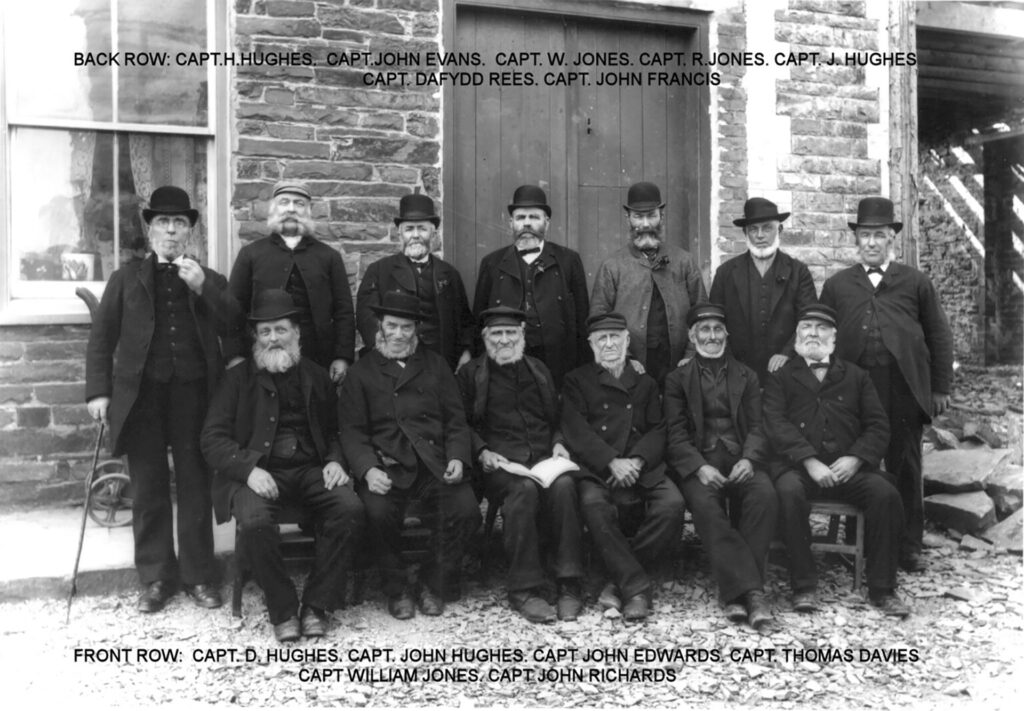
The first theme draws on contributions relating to the origins of Borth with a particular focus on its rich and deep maritime heritage. On first glance, the stories relating to this theme appear to be about hardship, poverty and harsh physical conditions, however, they also reveal much about how the community has continuously adapted to change and how resilience is built into the very fabric of the village.
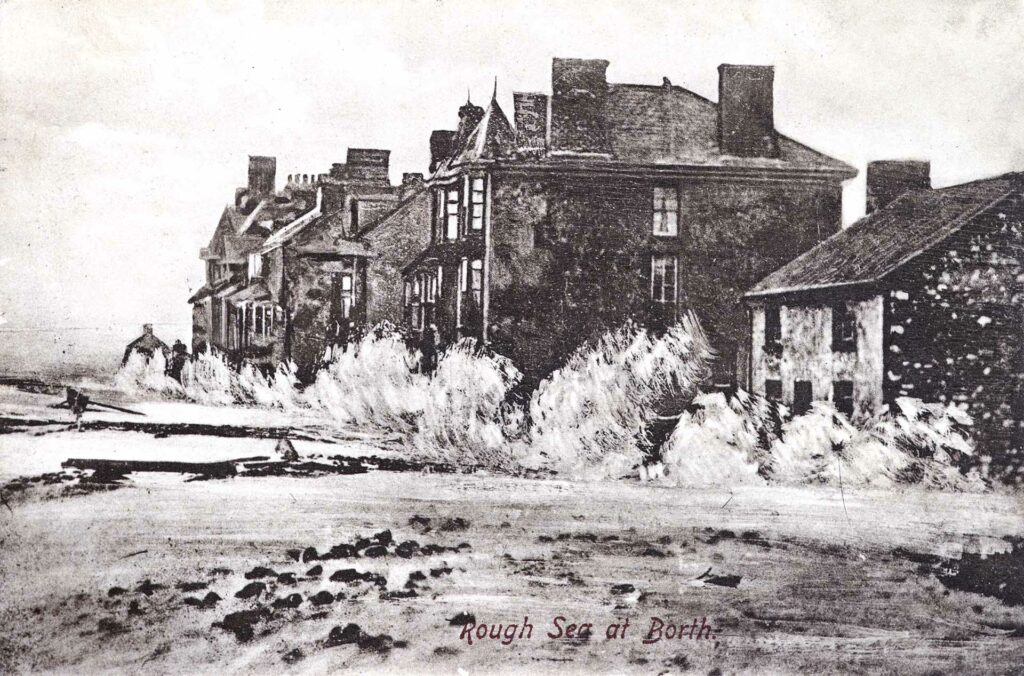
The second theme to emerge comes from the sharing of stories that relate to personal encounters with the power of the sea. These stories also map the development of the village’s sea defences from the wooden structures protecting individual properties to the current rock groynes of the most recent iteration.
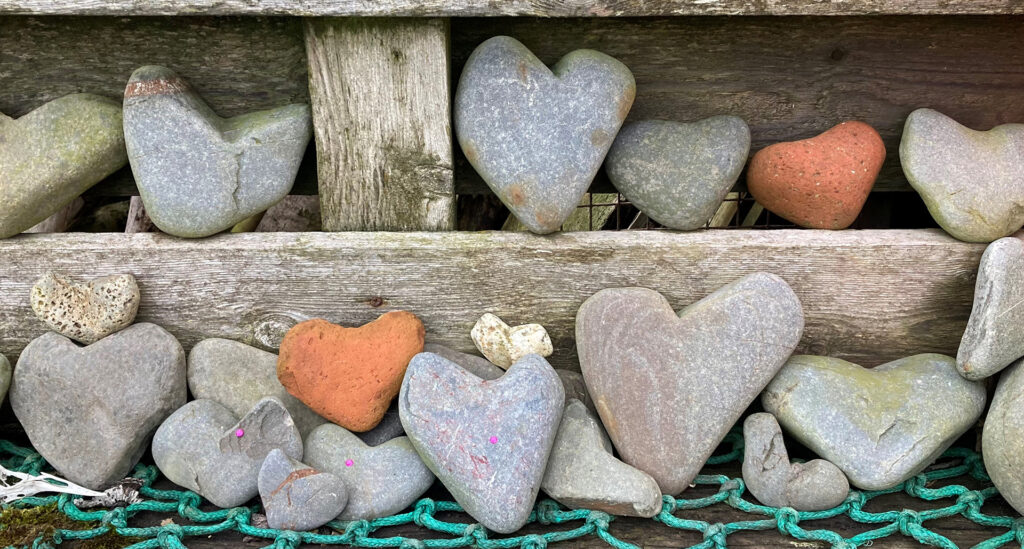
The final theme brings together the creativity and artistic expression that are inspired by the shoreline and the sea in Borth. The diverse contributions giving rise to this theme demonstrate the ongoing source of joy and sense of awe the sea and beach in Borth continues to provide.
The explorable digital archive created as part of the ‘Life on the Edge’ project features the material gathered from a follow-up project ‘Stories of the Sea: Memories of Storms and the Shore in Borth’, which brought together a community art exhibition and a storytelling event to illustrate how lived experience can inform future approaches to coastal planning and flood management.