- All
- Blog
- News
- Posts
- Project partners
- Uncategorised
The Medieval Ritual Landscape team are pleased to announce a full day of conference sessions to mark the end of our three-year project – at the Leeds International Medieval Congress...Read More >
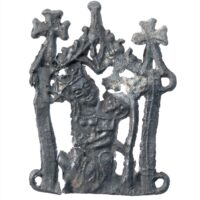
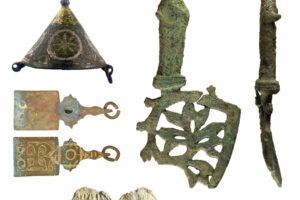
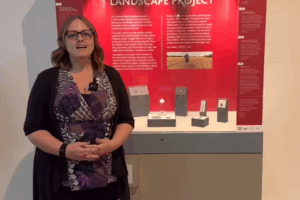
On Friday the 13th of June the Yorkshire Museum played host to a special event marking the opening of a new co-curated display celebrating the work of the Medieval Ritual Landscape or MeRit Project, an AHRC-funded research collaboration led by the University of Reading and the British Museum, with partner organisations across England, Denmark, and the Netherlands. Focused on the period AD 1000–1600, this fascinating project has been investigating the material traces of religious experience and exploring ‘medieval lived religion’ and ritual activity through in different ways across the country. In York metal-detected finds, particularly those unearthed by local detectorists and recorded by the Portable Antiquities Scheme (PAS) were used to explore these themes.
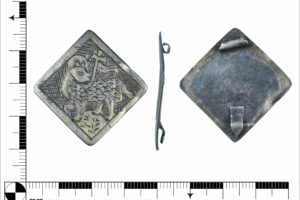
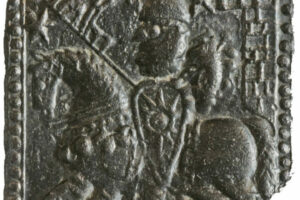
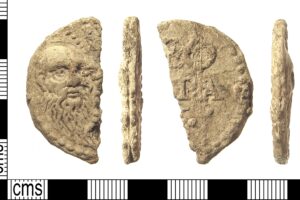
Robert Francis Prevost (b. 1955) was elected Pope on Thursday (8 May 2025), taking the ‘papal name’ Leo, said to be after Leo XIII (r. 1878-1903), who was committed to the ‘social teaching of the Church’ in an era of change. Like his thirteen predecessors, the curia under Leo XIV will issue proclamations and edicts with leaden seals (papal bullae).
With colleagues at the Yorkshire Museum and York St John University, the MeRit project team has been working with representatives of local metal-detecting clubs on a co-curated display of finds relating to medieval lived religion and ritual activity in a landscape context. To celebrate the opening of this display, and animation responses to its themes created by students of York St John, a FREE public event will be held at the Yorkshire Museum on Friday 13 June from 10:30 am.
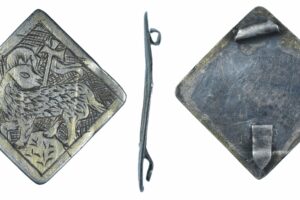
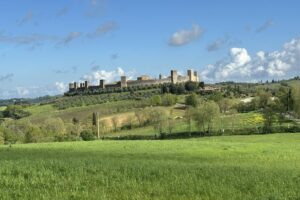
Going on pilgrimage was an important medieval religious experience. There are many routes to Rome, with the Via Francigena from Canterbury serving as one of the most famous, thanks to the ‘notes’ Archbishop Sigeric of Canterbury (r. 990-4) made of his journey over 1000 years ago; nowadays it’s designated a ‘Cultural Route’ by the Council of Europe.
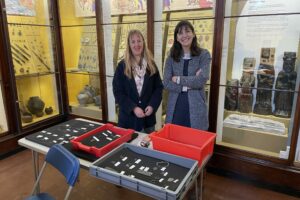
Monday is often an interesting day at Lynn Museum, because it’s closed. The gift shop is dark, the front door is shut and the Savages carousel, normally lit up and playing jaunty carnival tunes, is silent and still. As the front of house team relax at home on their day off, it’s the curators who open the back door of the museum to researchers and investigators, taking advantage of the lack of visitors to open the cabinets and look more closely at the collection.
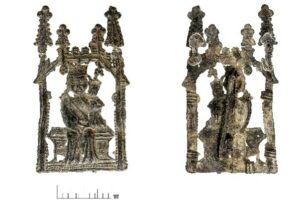
In Yorkshire, Michael Lewis (British Museum) and Rebecca Griffiths (Yorkshire Museum) are working with representatives of the local metal detecting community to co-curate a display in the Museum foyer. On 17th January 2025 we held our second workshop at the Yorkshire Museum. At this workshop, we began refining ideas for our display.
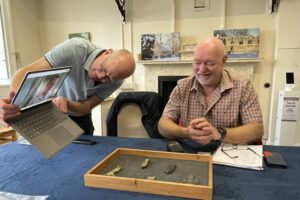
MeRit teamed up with the PAS (Portable Antiquities Scheme) in Norfolk (Norfolk County Council) and the REMADE (Roman and Early Medieval Alloys Defined) project at the University of Reading to...Read More >
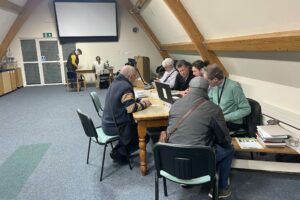
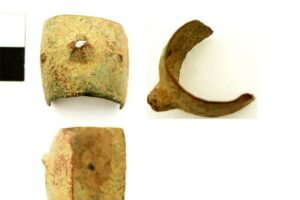
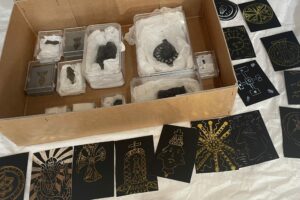
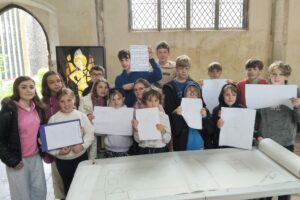
The Council for British Archaeology’s Young Archaeologists’ Club (YAC) provides young people with an opportunity to get involved in archaeology and learn about the past. The MeRit team was keen...Read More >
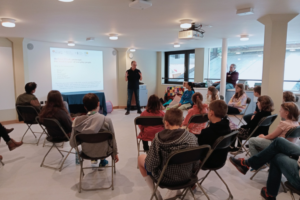
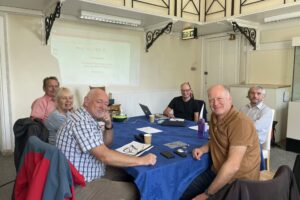
The MeRit team have just enjoyed a successful session at our first conference as a project, presenting some early results and meeting a wide range of colleagues from across Europe....Read More >
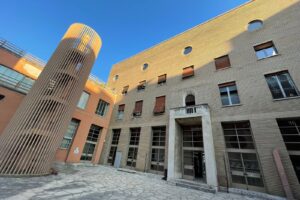
In 1433 famous Norfolk mystic Margery Kempe left modern-day King's Lynn for what is now Gdańsk in northern Poland. Her overland return journey turned into a pilgrimage that encompassed visits...Read More >