
Introduction
Fire is a crucial part of the Earth’s System (see a paper on this very topic, co-authored by our group PI Sandy Harrison here). Under changing future climates fire regimes become more uncertain and changes in their distribution and intensity come into question. How we manage fire to generate sustainable ecosystems and manage our assets (whether that be economic, human life or biodiversity) is a key question for landscape managers. Answering how the distribution of fire and its associated properties are going to change across the globe and how we best manage this will require the input from a diverse range of stakeholders.
The Fire in the Earth System congress began in 2021 aiming to being together diverse stakeholders to “share knowledge, ideas, and strategies for utilizing fire as a tool for sustainability”. Perspectives from all scales of fire management and all aspects of science are invited to these session to facilitate knowledge exchange and work towards preparing society for the spread of fire under climate change.

Image 1: A Eucalyptus plantation that burnt last September and has already started to substantially recover.
Modelling Fire in the Earth System
At fEs 2025 two SPECIAL group members, Sandy Harrison and Olivia Haas, co-convened a session with Ol Perkins and Matt Kasoar from the Leverhulme Centre. The session was titled “Modelling fire in the Earth System”. Models are a necessary tool to understand the drivers of fire. However, fire is a complex process involving vegetation, climate and human management, amongst other variables. Separating out the differing drivers of fire and the strength of those relationships is challenging. By assessing our different models of fire and its processes we can begin to understand these complex processes and learn about future fire risk.
The session began with a keynote talk from Matthew Forrest on the history of global fire modelling and steps forward for incorporating human impacts on land and fire management into our models. We also had presentations ranging from the modelling of extreme fires to the impact of boreal fires on emissions and how large-scale reforestation could affect burnt area. The session was well organised, productive and chaired well by Olivia and Matt. The session received positive feedback on its organisation, ensuring time for extended discussion and the work that was presented. We are grateful to a number of our Leverhulme colleagues for contributing to this session!
Dr. Olivia Haas also presented in a session titled “Climate and Wildfires: Modelling, Indicators and Future Projections”, and spoke about her work applying a globally trained model to France and its divergence from a locally trained model. Olivia’s presentation prompted interesting discussions on how we can best apply global models to help inform these issues of variable distribution and scale. On this Olivia says:
“People were especially receptive to the idea that, global model provide relationships trained on a much larger sample than locally trained models, and given future projected changes in climate, the implications of this are important to consider.”
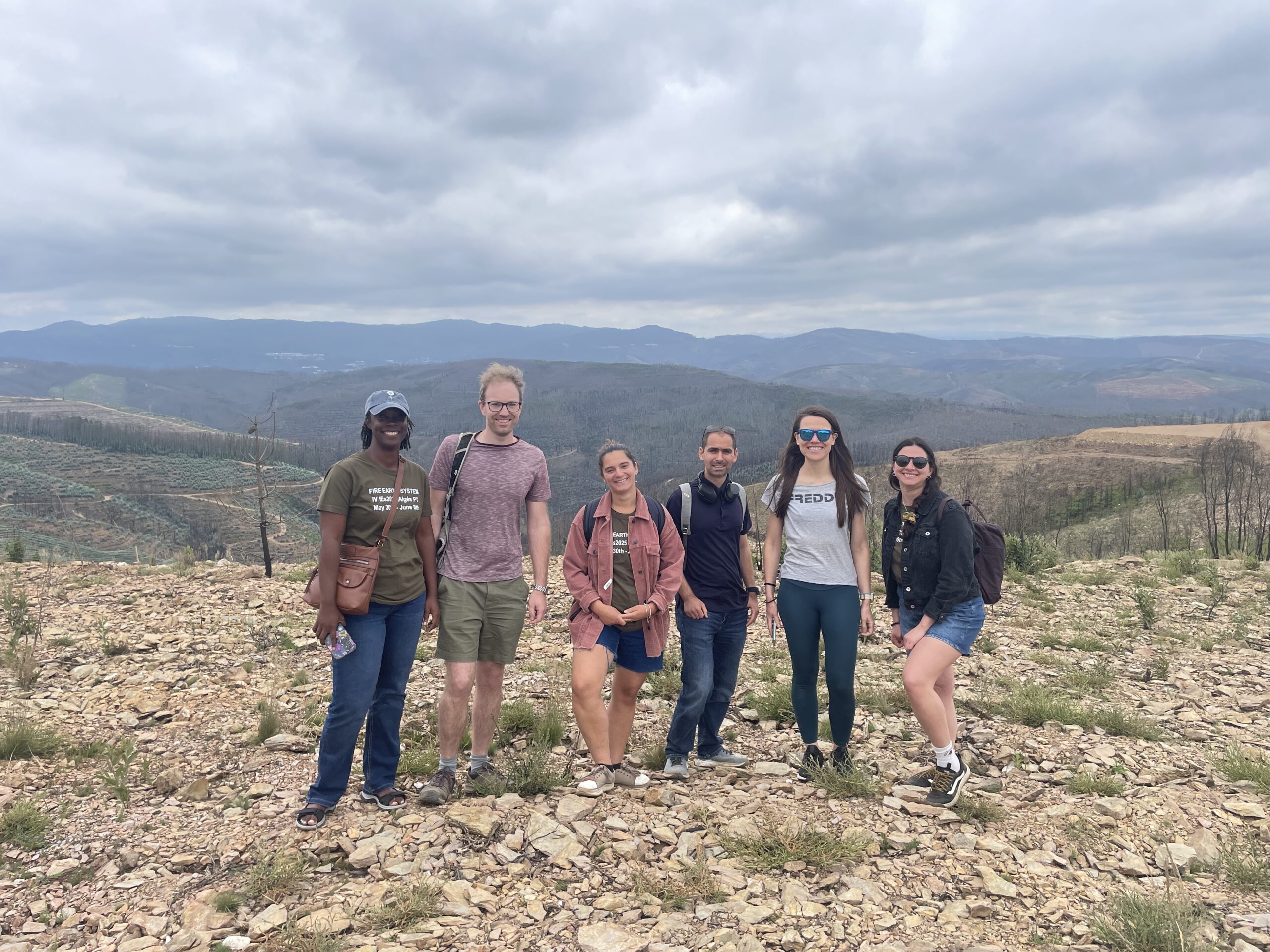
Image 2 from left to right: Candice Charlton, Matt Grosvenor, Olivia Haas, Matt Kasoar, Dimitra Tarasi and Monica Moreu-Vicente, all members and associates of the Leverhulme Centre.
Highlights from fEs 2025!
Beyond our own contributions to this conference there were interesting sessions run on using the fire weather index by Marco Turco and exciting field visits to burn scars. On the excursion scientists heard a bout the local fire response units that were on the ground. This led to interesting conversations about what the key drivers of fire are in Portugal, how to address the challenges the country faces, and what the implications are for the rest of Europe.
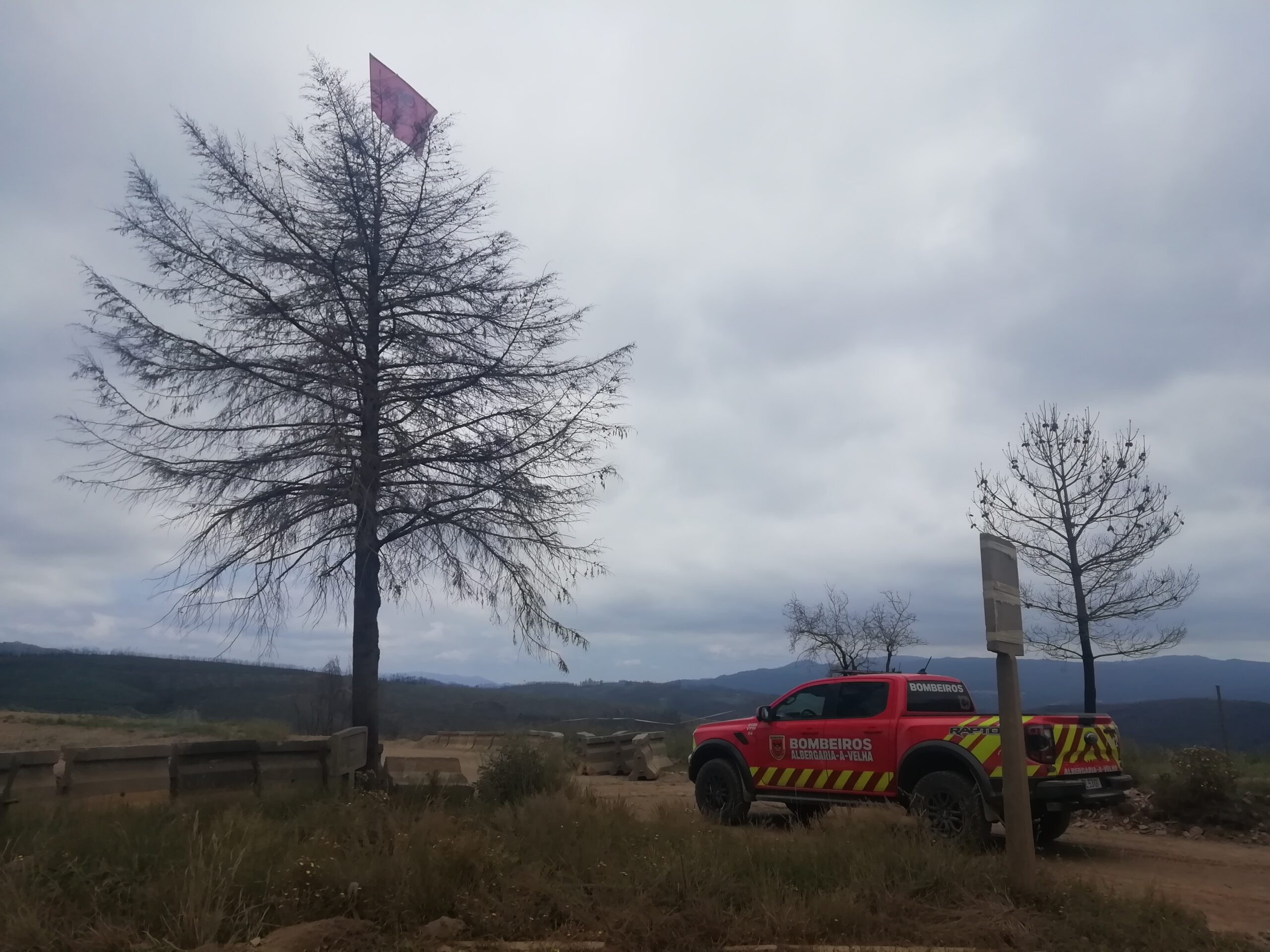
Image 2: Portugal used to have lookout houses at the top of hills (pictured) but the job has since been removed and there was a debate about the consequences of this for the country.
Moving forward, this conference has sparked interesting discussions regarding scale and the applicability of global models. The talks in Portugal highlighted the continued important of considering human policy and human land management at local scales and how we scale this up globally. We look forward to bringing these ideas back to our SPECIAL group discussions and seeing how this space developed in the future.