One of the main SPECIAL team projects is the LEMONTREE project. Every year the LEMONTREE project has an annual meeting, hosted by one of our partner institutions. At the end of August, SPECIAL team PI Sandy Harrison, as well as Dr. Olivia Haas, Wenyao Gan and Sophia Cain travelled to Seoul, South Korea, to attend the annual meeting. This year’s meeting was hosted by our colleagues at SNU where the LEMONTREE team is led by PI Youngryel Ryu.
The meeting brought together researchers from around the world for a rich mix of science, strategy, and connection. On Day 1 SNU hosted an open symposium, welcoming over 100 attendees beyond the core team, with presentations led by PIs and senior scientists on the LEMONTREE project. The talks covered the project’s progress including remote sensing products, field experiment design, and improvements in soil moisture modelling and implementation in models like VIC+. The public-facing format encouraged good discussion and fresh perspectives.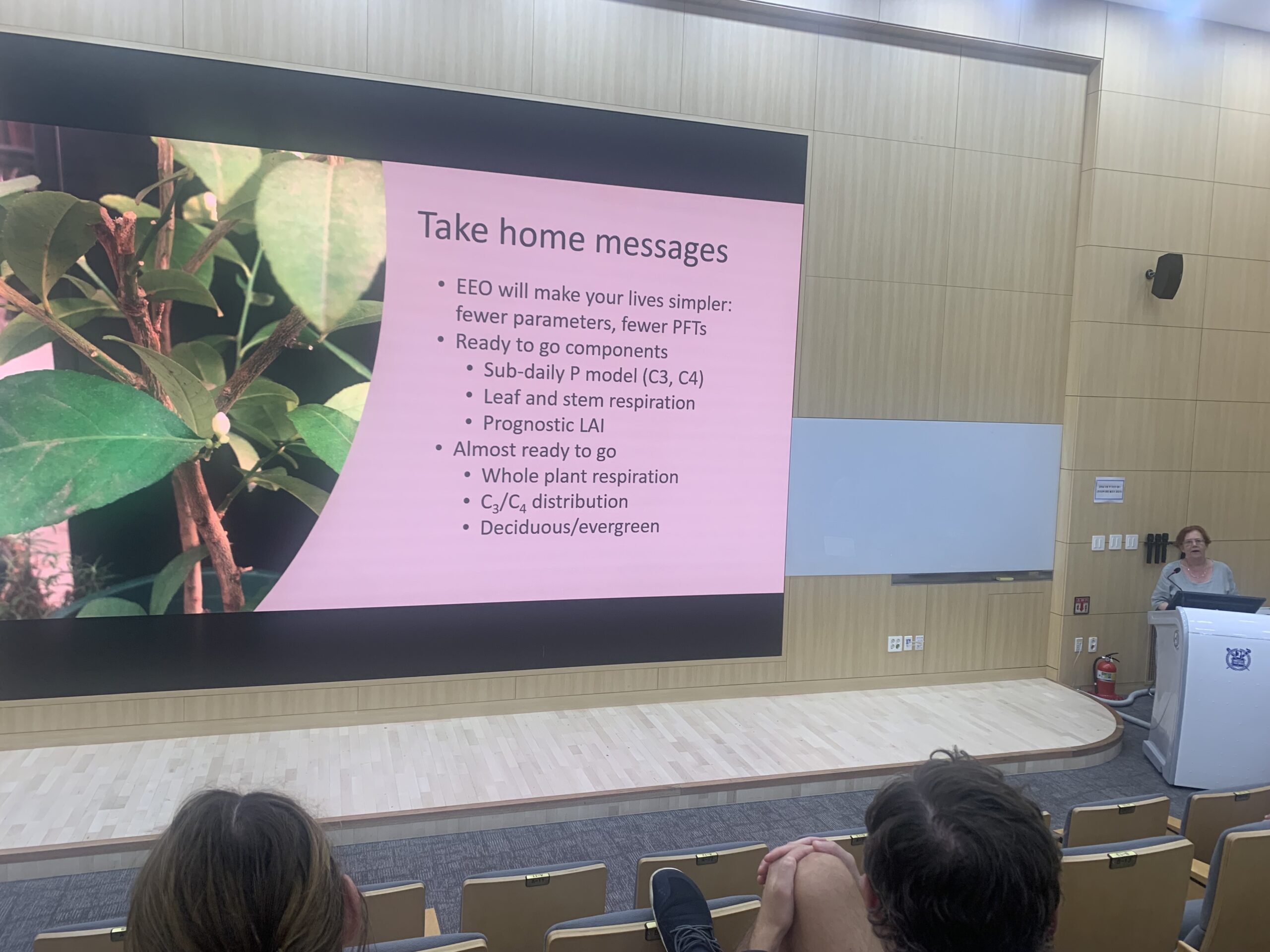
Figure 1: SPECIAL Team PI Sandy Harrison presenting at SNU at the Symposium.
Over Days 2 and 3, the group turned inward, focusing on internal planning and strategy for the remaining 22 months of the project. Working groups presented updates on topics such as phosphorus effects on photosynthesis, upcoming fieldwork, and a roadmap for carbon allocation modelling. The team revisited priorities, refined timelines, and sketched out a “wish list” of ambitious tasks to tackle if time allows. The meeting energized the group and gave renewed clarity to the goal of more fully integrating Eco-Evolutionary Optimality theory into land surface models.
Within the SPECIAL group, PI Sandy Harrison led the brainstorming discussions and Olivia Haas presented in, and led, the Fire-Vegetation working group session. In this session Olivia gave updates on progress towards developing an EEO fire model, and Sophia presented on the groups research into developing a fuel load and decomposition model. Wenyao later presented on her PhD research which aims to incorporate the P model into JULES.
Following the annual meeting, was an Early Career Researchers summer school, with hands-on sessions on LiDAR and hyperspectral tools, b lending software training with peer teaching and networking.
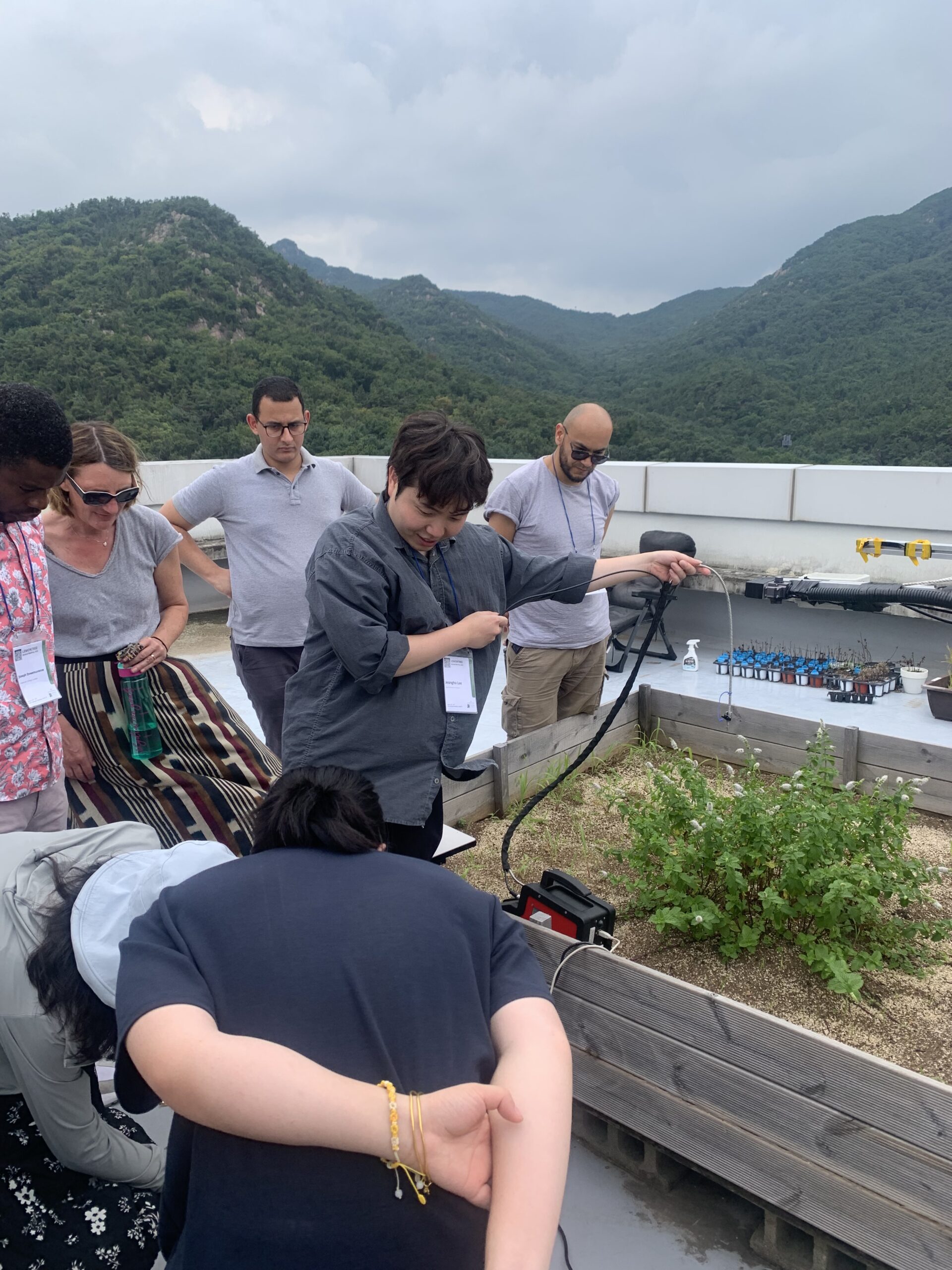
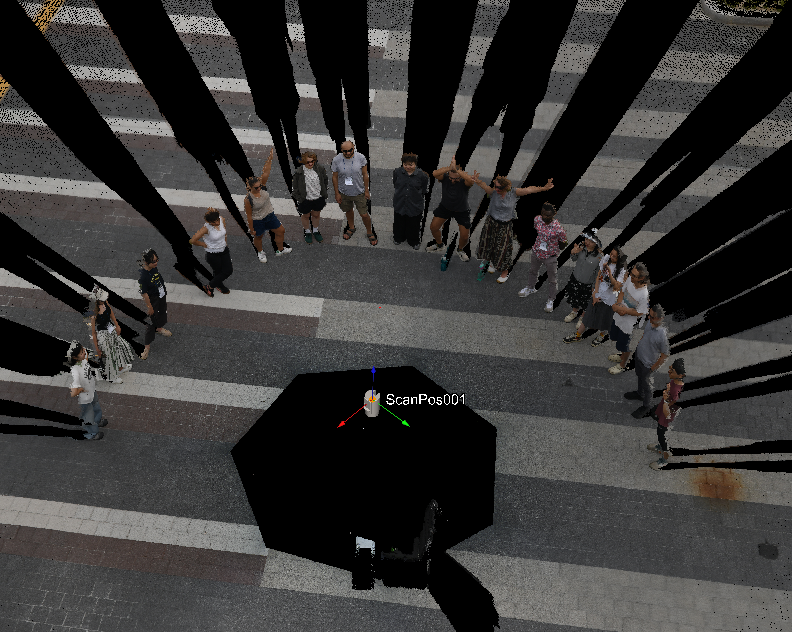
Figure 2: Left the team learning how to detect leaf spectra. Right: A “selfie” of the ECRs taken using LiDAR.
Outside the formal sessions, meals, walks, and even live sea cucumbers helped the team to forge stronger connections.

Figure 3: The LEMONTREE project team dinner during their first night in Seoul.
You can read the full blog post on the annual meeting and summer school on the LEMONTREE website here. Check back in with the LEMONTREE website to keep up to date on all the latest research coming out of the project!