Introduction
The FIRE-ADAPT program is a Marie Skłodowska-Curie Action Staff Exchanges project to integrate research on fire management across stand – global scales. The exchanges program helps to facilitate cross-institutional research and knowledge exchange on the topic of fire. Specifically, the project focuses on the role of Integrated Fire Management (IFM) in wildfire management around the world.
Last month, two of the SPECIAL group team had the opportunity to travel to Italy for one month to collaborate with colleagues at the University of Turin. Our SPECIAL group PI, Prof. Sandy Harrison, and post-doctoral researcher Regina O’Kelley, travelled to work alongside Prof. Davide Ascoli and Gian Luca Spadoni at the Department of Agricultural, Forest and Food Sciences (DISAFA). The team at the University of Turin focus their research on wildfire regimes and socioeconomic systems, evaluation of management interventions for wildfire risk mitigation (especially pyrosylviculture and prescribed burning), and developing tools to improve fire prediction and post-fire management.
_______________________________________________________________________________________________________________________________________________________________________________________________________________________________
“Cross-disciplinary collaboration is an essential tool in environmental research that expands perspectives and research avenues, especially when participants clarify goals upfront and embrace diverse research frameworks to foster open, productive discussion. These are also essential themes in connecting the research community with policy makers and the public, FIRE-ADAPT is an ideal example of the kind of research project needed for climate change adaptation.” – Regina O’Kelley
_______________________________________________________________________________________________________________________________________________________________________________________________________________________________
Research Outputs on Secondment
This secondment allowed researchers to focus on making progress on a perspectives piece on fire management in the Mediterranean. The manuscript assesses how land management can be used to manage future fire risk and involves a number of FIRE-ADAPT contributors.
Incorporating management and the effects of humans on the landscape in fire-enabled dynamic global vegetation models (DGVMs) is a challenge. A number of projects the SPECIAL group work across tackle this issue, including the LEMONTREE project and the Leverhulme Centre for Wildfires. This secondment allowed for the team to consider how they might merge their expertise on local fire management strategies with global fire-enabled DGVMs to start tackling parts of this problem. The team focused on identifying places where management interventions could occur, as well as case studies that could be used as target outputs to try and identify if the modelling efforts had been a success.
Regina, who’s post-doctoral research is focusing on modelling fire management at the global scale, is looking forward to further developing the incorporation of fire management in global fire-vegetation models, and to on-going collaboration with our University of Turin partners. When asked about her personal learning on the secondment Regina said:
“The opportunity to learn about how environmental policies and strategic frameworks related to fire risk management are developed and implemented at different scales in the Mediterranean was particularly valuable to me, since my previous research was in the Pacific Northwest of the United States. There are many parallels between the Mediterranean and the western US fire histories, so it’s interesting to think about how human relationships with fire regimes have played out differently in different places.”
Personal Highlights of Turin
Beyond the tasks our researchers must complete whilst on secondment, there is the excitement of exploring a new city! Turin has a rich history as a major European centre acting as the first capital of the Kingdom of Italy. Now known for its diverse architecture and automotive industry there is certainly a lot to see on the weekends. Italy, and researchers, would be nothing without coffee. Our team enjoyed learning about innovations developed by the Turin-born espresso company Lavazza, especially their zero gravity-ready espresso technology for astronauts on the International Space Station.
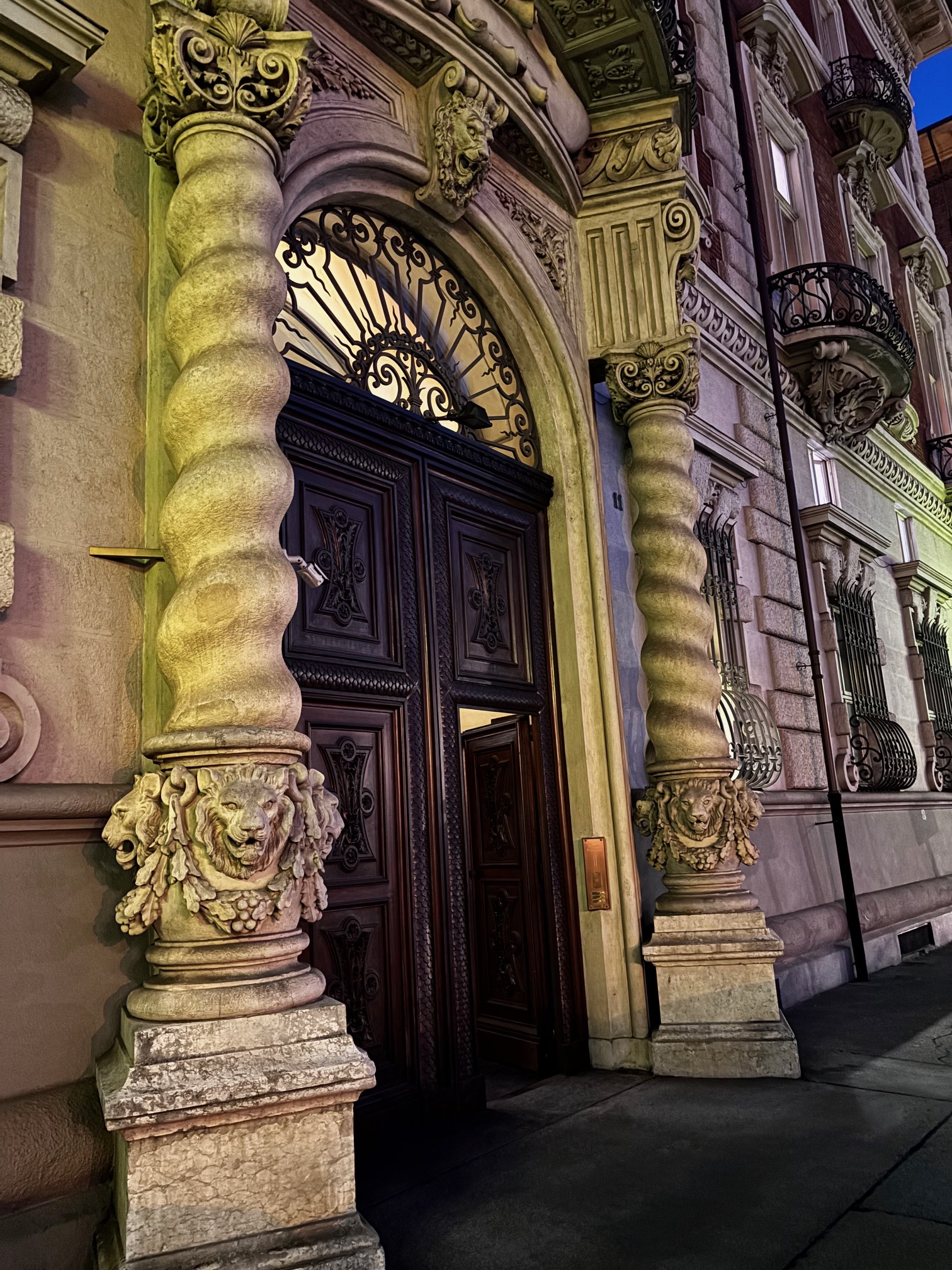
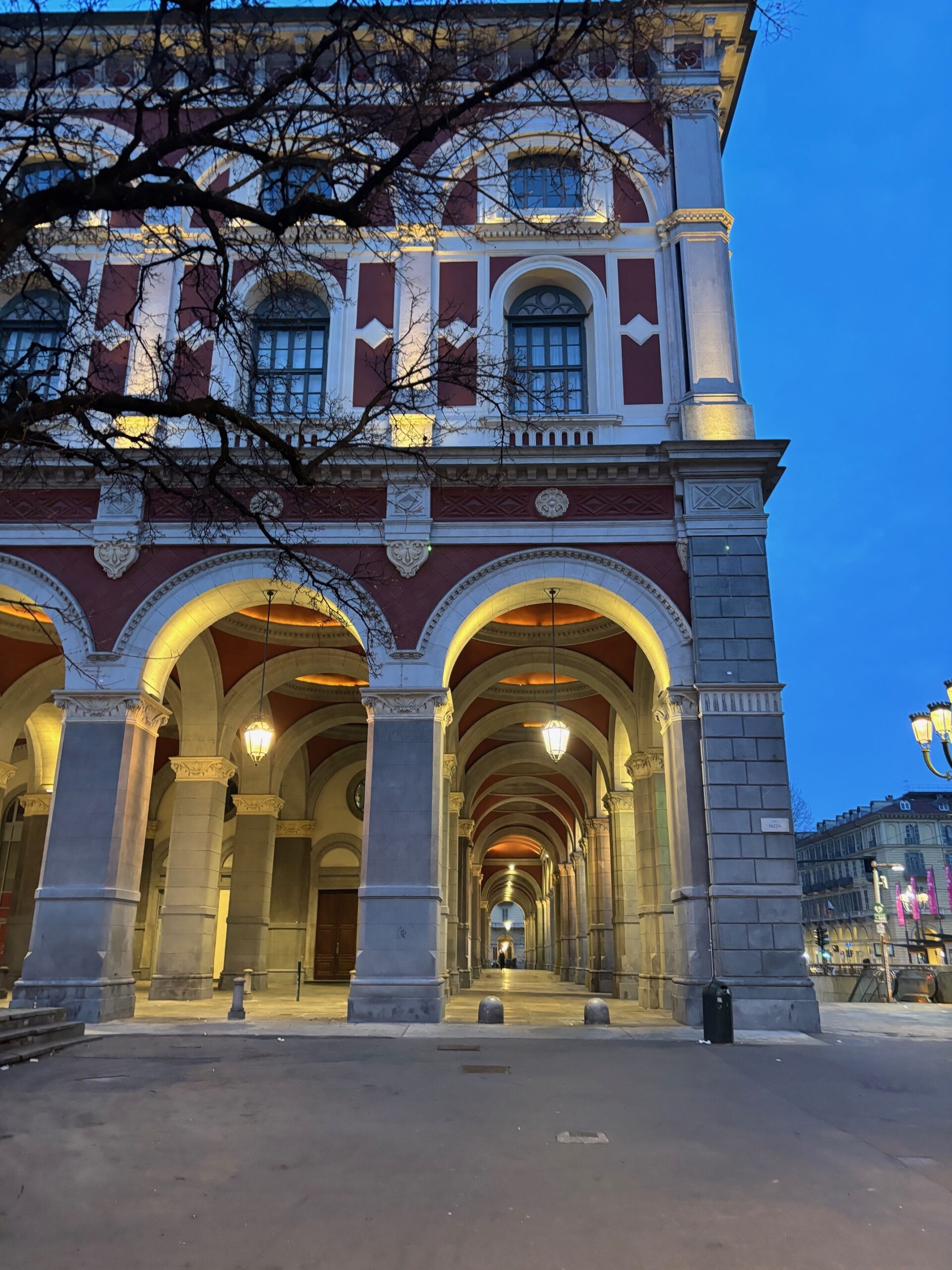
Photos: The famous architecture of Turin, Italy. Photo credits: Regina O’Kelley
Written by Sophia Cain and Regina O’Kelley