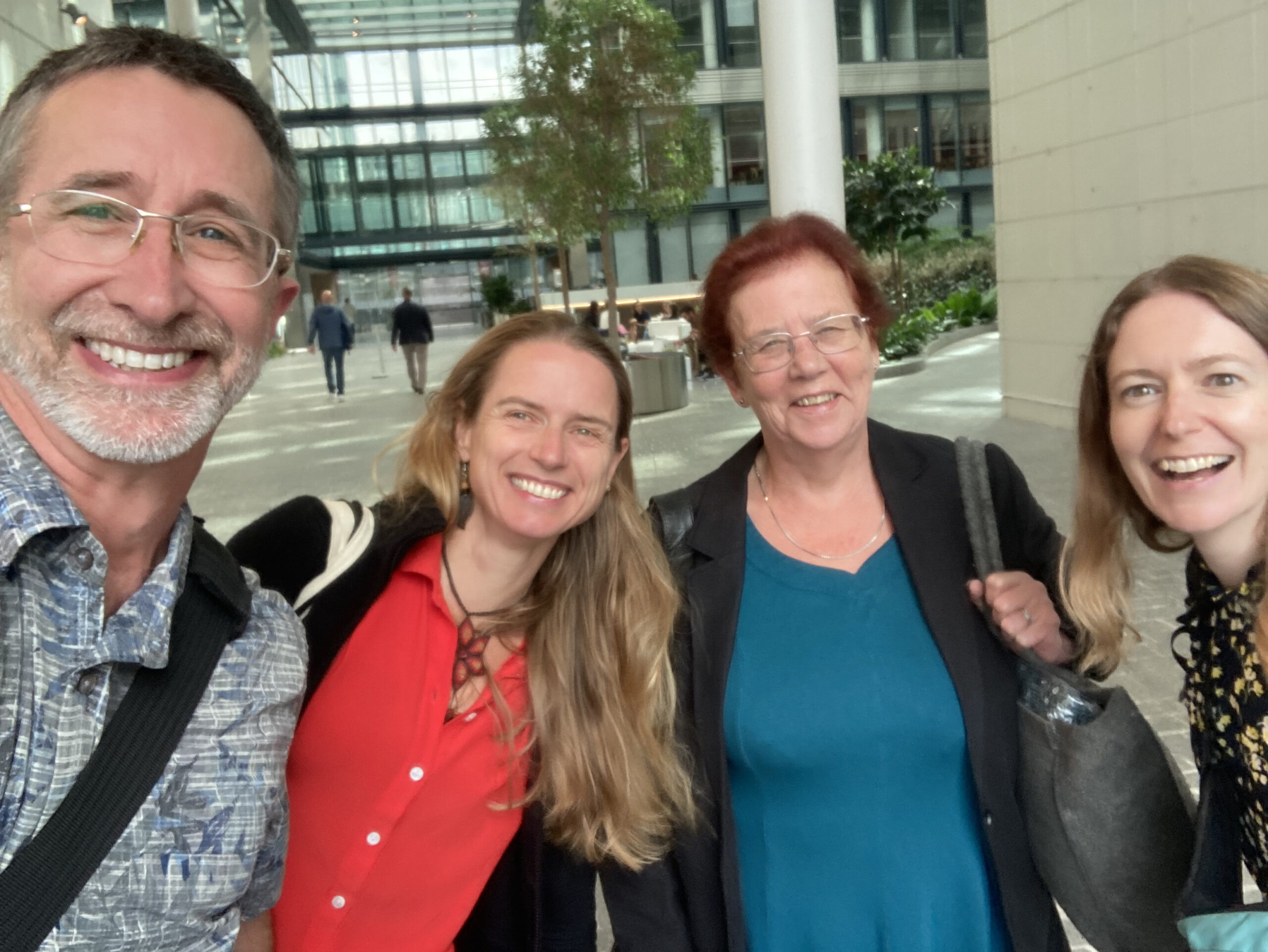
Introduction The FIRE-ADAPT program is a Marie Skłodowska-Curie Action Staff Exchanges project to integrate research on fire management across stand – global scales. The exchanges program helps to facilitate cross-institutional…Read More >
SPECIAL Blog
Blog of the SPECIAL team members
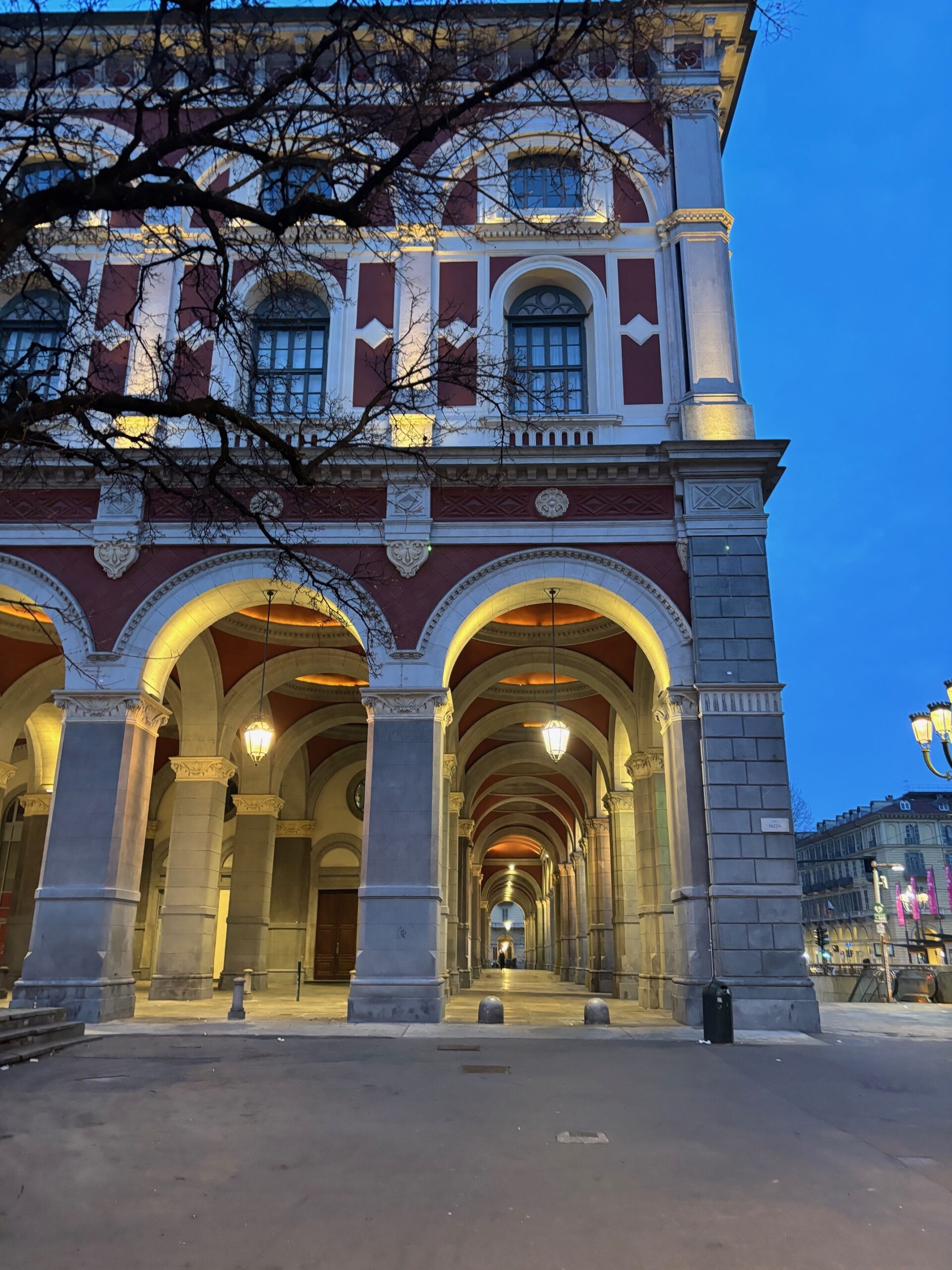
Effects of climate and society on population density in Northwest China from 2 CE to 1949 CE
A new study published in Global and Planetary Change by SPECIAL group PI Sandy Harrison and PhD student Xin Liu looks at how we can reconstruct population density across Northwest…Read More >
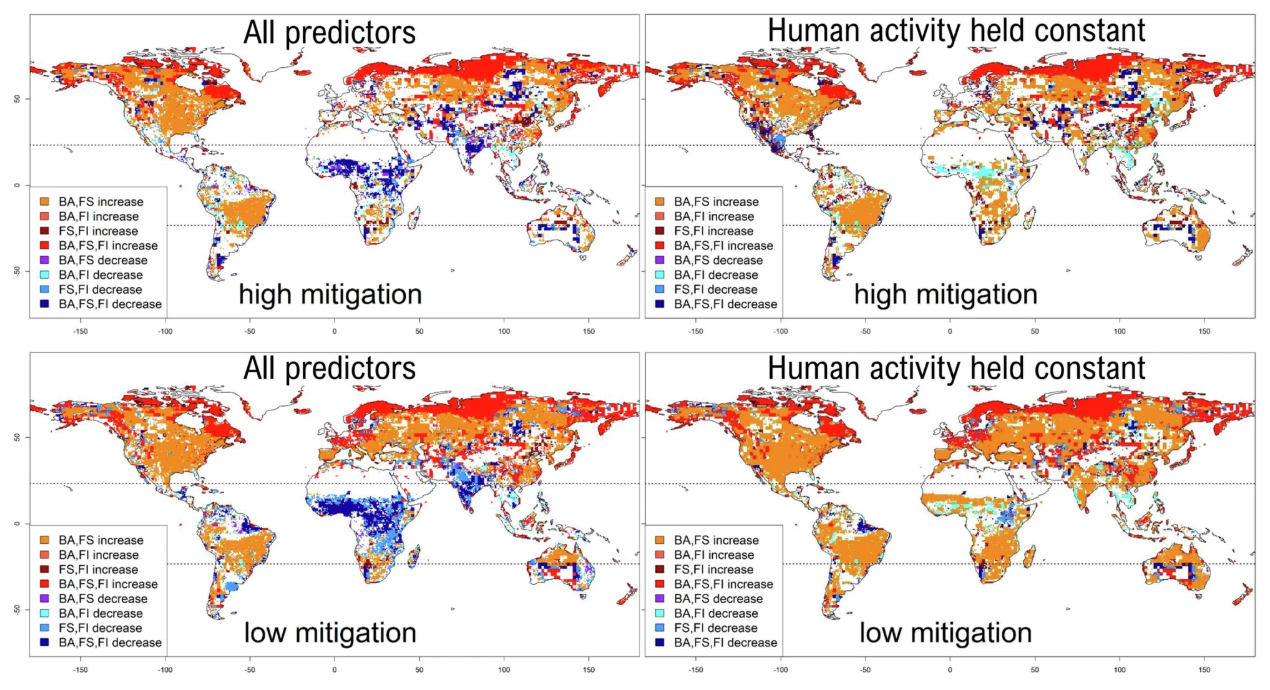
Wildfires on a changing planet
Exciting new research from the SPECIAL group has been published in Nature Communications. This study, led by Olivia Haas (SPECIAL group post-doctoral researcher), investigates how sensitive parts of the wildfire…Read More >
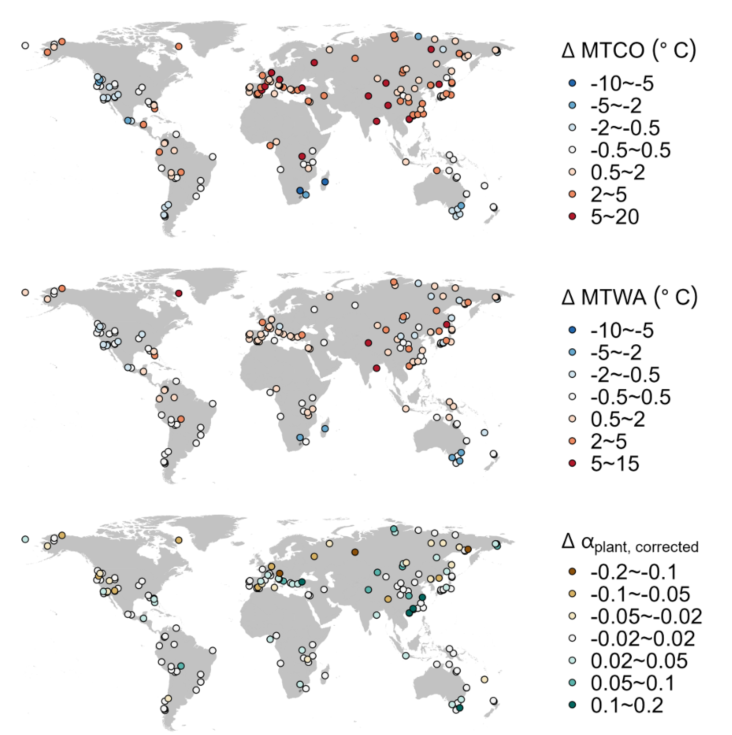
How past climate events can help us understand future trends in climate warming
A new study on Dansgaard-Oeschger events A new publication led by SPECIAL group post-doctoral researcher Mengmeng Liu has recently been published in Climate of the Past. This paper “A global…Read More >
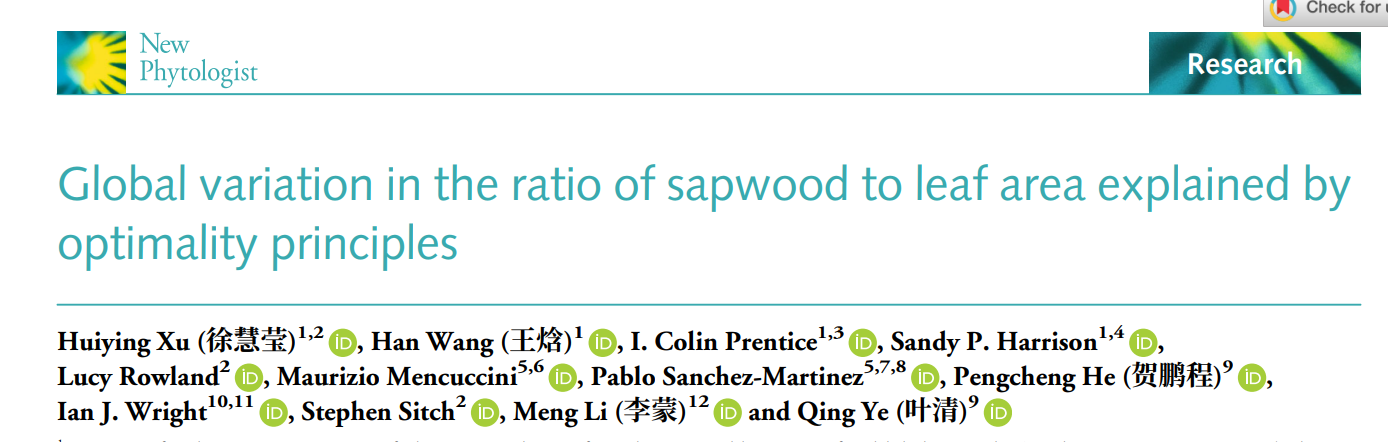
Optimality theory captures global sapwood:leaf area ratio in a new study
A new paper from SPECIAL group PI Sandy Harrison has recently been published in New Phytologist. The paper looks at the ratio between sapwood to leaf area in plants using…Read More >
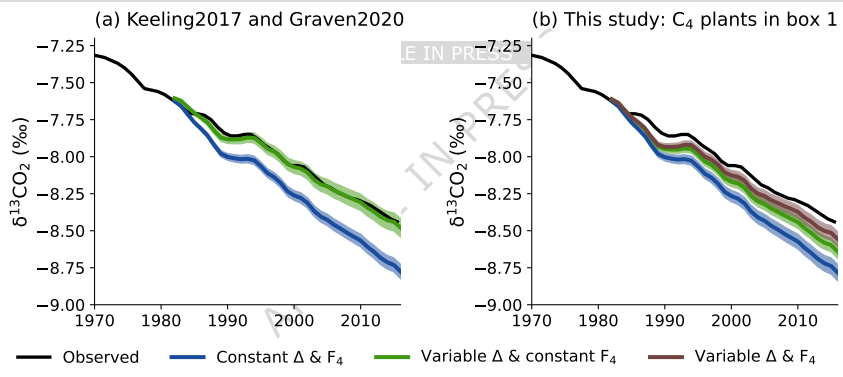
Global Optimality-Based Model of C3 and C4 Plant Distribution
A new publication involving SPECIAL group PI Sandy Harrison has recently been published in Communications Earth & Environment, sharing work from the Alienor Lavergne on global optimality-based modelling of C3…Read More >
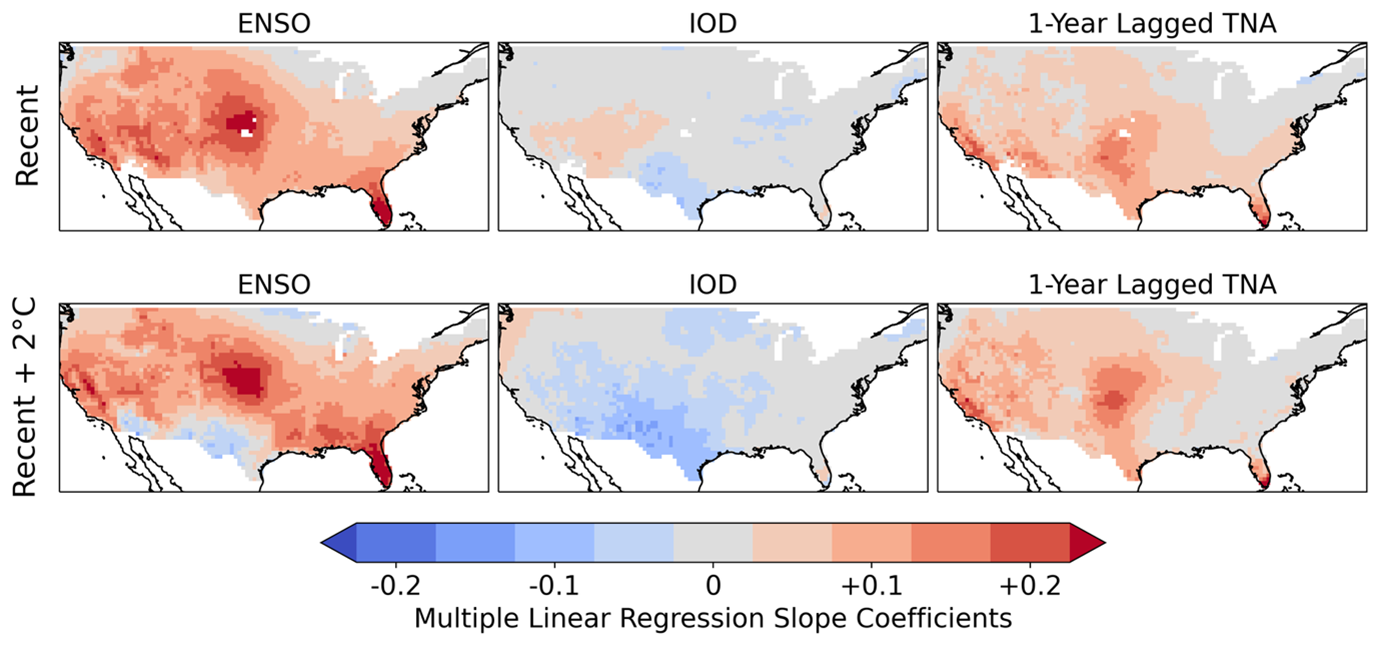
New Paper by PhD Graduate Theo Keeping – Global Climate Patterns Shape Wildfire Risk in the United States
In the second half of 2025, SPECIAL Group research student Theo Keeping graduated with a PhD from the University of Reading. One of the chapters from his thesis has now…Read More >
Reflecting on 2025 and Looking Ahead to 2026
As the year draws to a close, it’s the perfect moment to celebrate achievements, welcome new faces, and look forward to the exciting opportunities that lie ahead. Celebrating Success of…Read More >
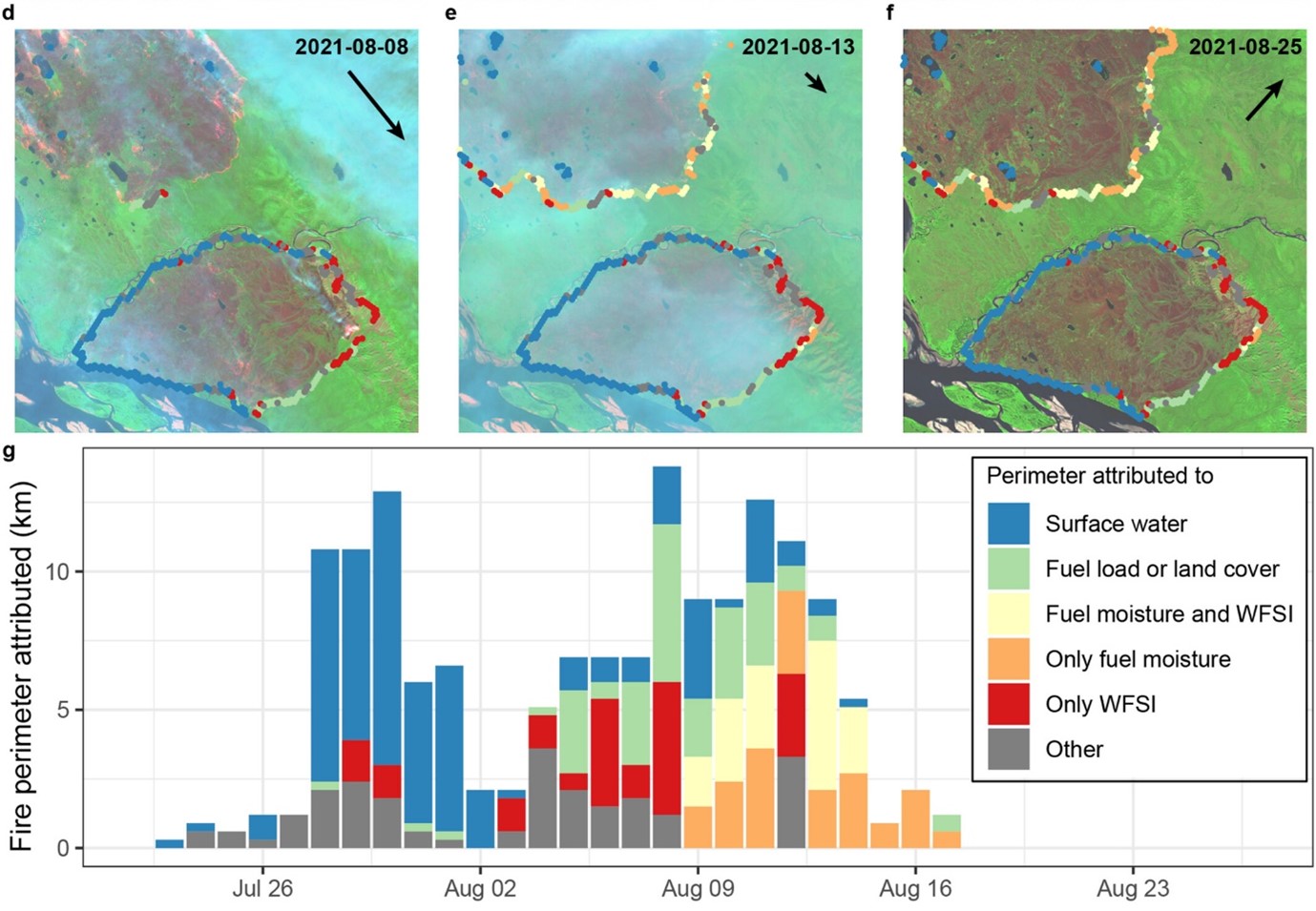
Learning about Arctic-Boreal Fires
The SPECIAL group was pleased to welcome Sander Veraverbeke to give a guest seminar at the University of Reading in mid-November. Sander is an Associate Professor at the VU in…Read More >
EcoARCH Launch – New SYNERGY Grant Funding for S.P.E.C.I.A.L
In exciting news – PI Sandy Harrison has secured, alongside international colleagues, a new SYNERGY grant titled EcoARCH! EcoARCH stands for Ecological Archaeologies of the Afrotropics and will investigate human,…Read More >