
Skip to content
University of Reading logo
  • Home
  • Meet the team
  • SPECIAL Blog
  • Projects
  • Resources
    • BIOME 6000
    • China plant trait database
    • EMBSeCBIO
    • Fossil pollen data from El Cañizar de Villarquemado
    • Multi-variable LGM benchmark dataset
    • PMIP2 diagnostic – MH precip over Northern Africa
    • SISAL database
    • SMPDS
    • The climatic space of European pollen taxa
    • SPECIAL EPD
  • Our Publications
  • Work With Us

SPECIAL Blog

Blog of the SPECIAL team members
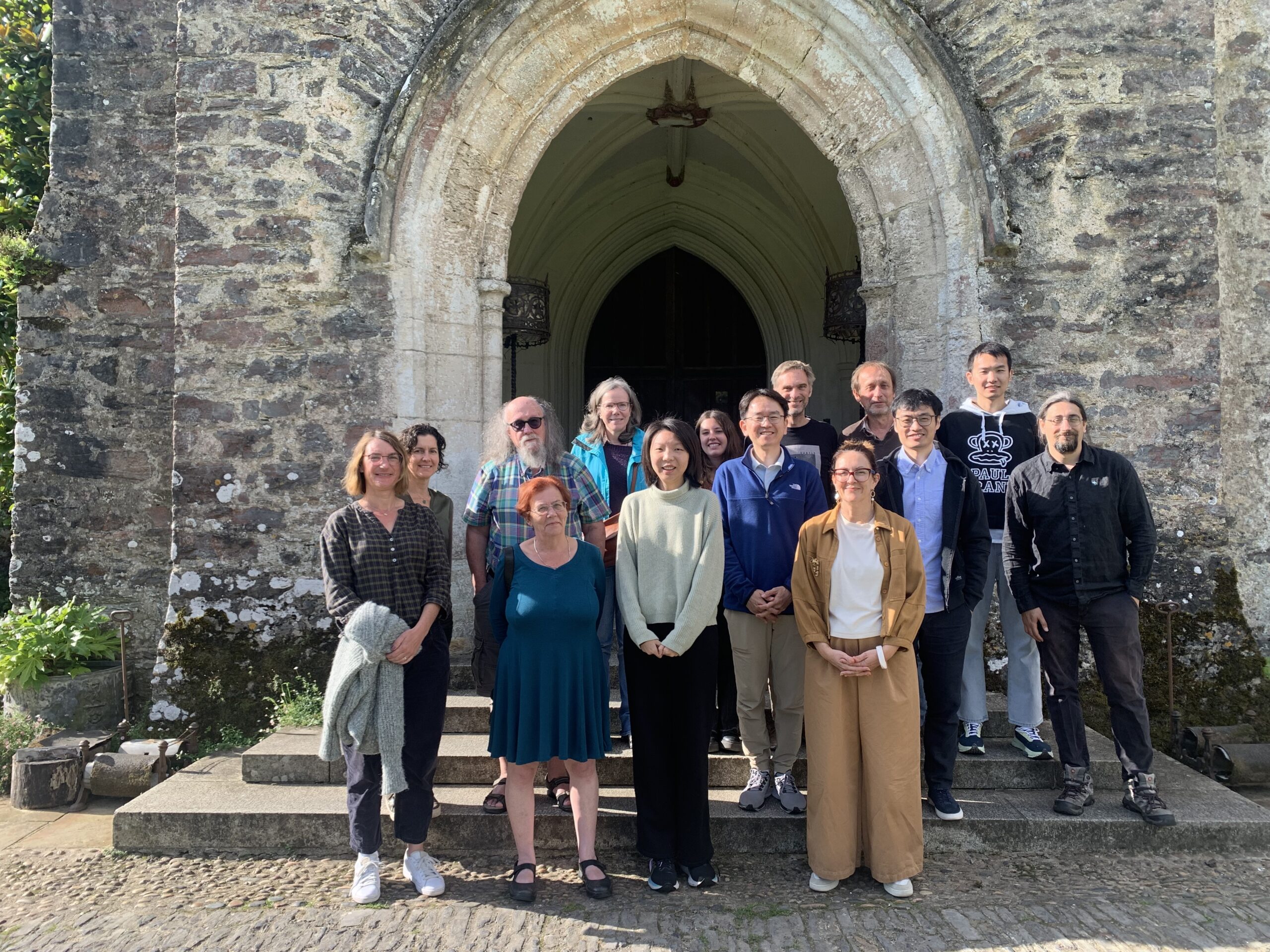
IMFIREDUP 2025 – Second Meeting of the Consortium

Posted on
24th October 202524th October 2025

The IMFIREDUP (Improved Modelling of FIRE: Development, Understanding and Prediction) consortium came together once again in September 2025 (see here for the blog on our original meeting last year) for a…Read More >
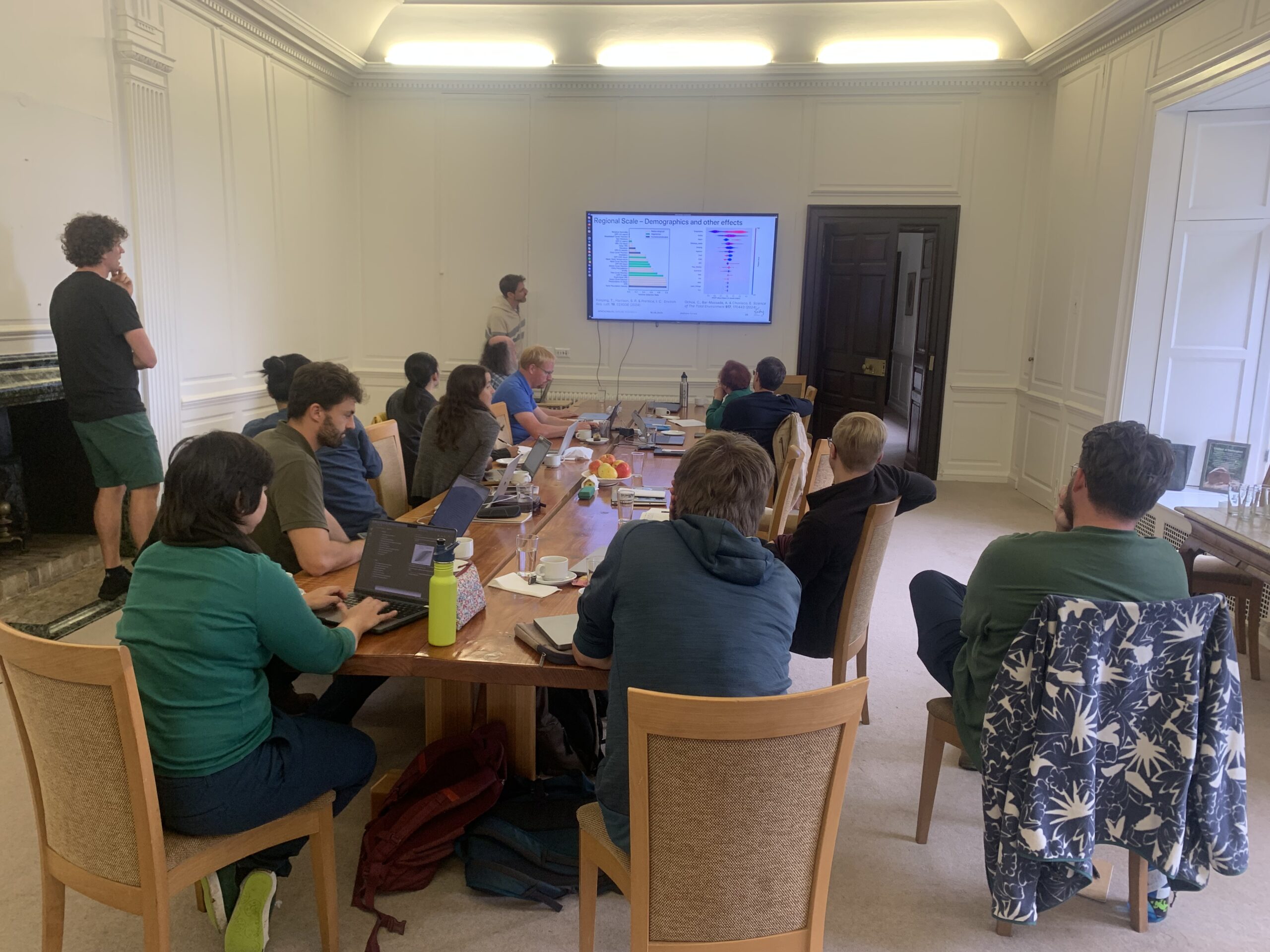
IMFIREDUP 2025 – Second Meeting of the Consortium

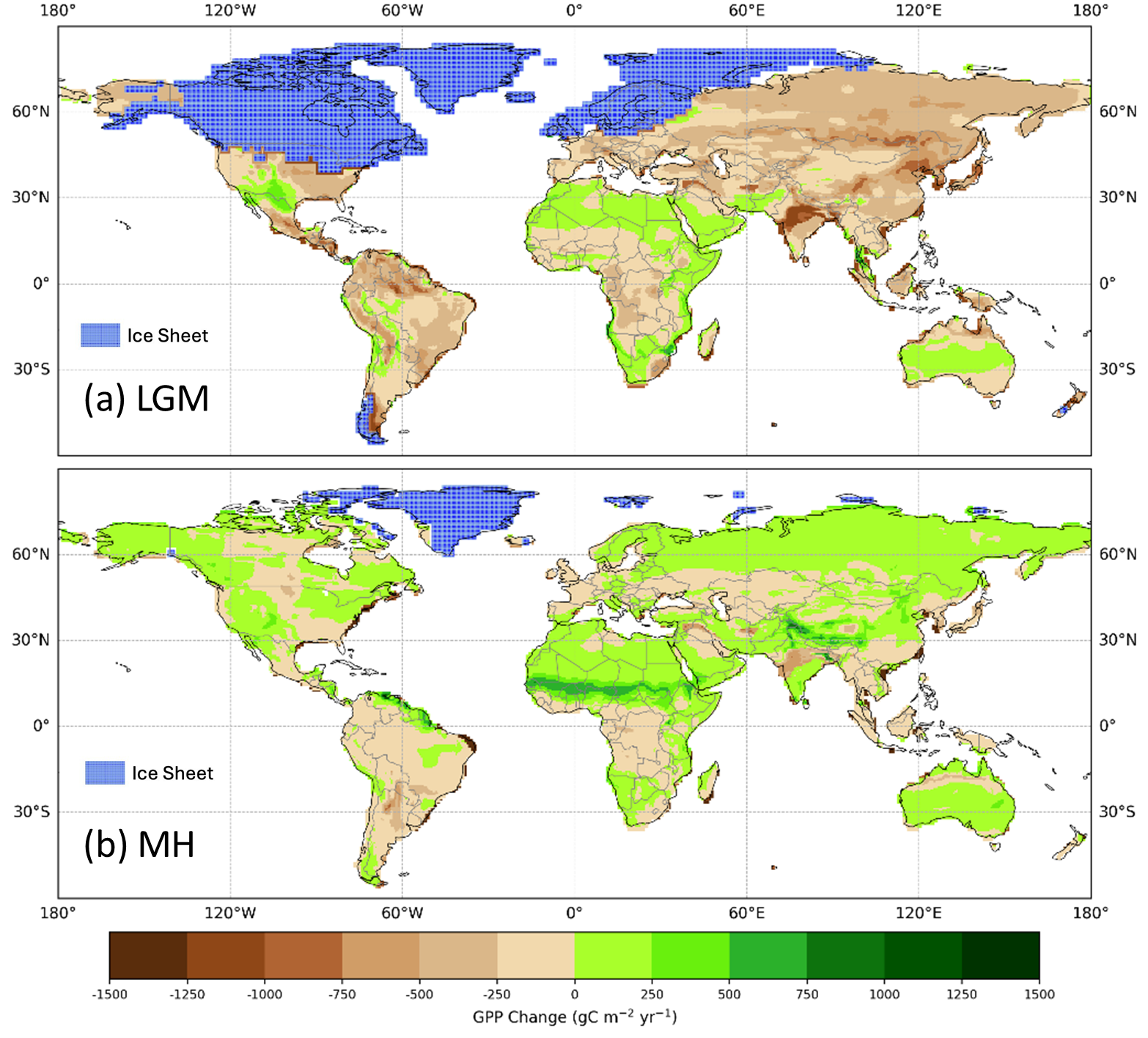
How CO2 and Climate Shaped the World’s Vegetation During the Late Quaternary

Posted on
15th October 202515th October 2025

When we think about how our planet’s ecosystems respond to change, we often focus on temperature and rainfall. But there’s another, equally critical player: carbon dioxide (CO2) that has largely…Read More >
How CO2 and Climate Shaped the World’s Vegetation During the Late Quaternary

Annual LEMONTREE Meeting in Seoul

Posted on
26th September 202526th September 2025

One of the main SPECIAL team projects is the LEMONTREE project. Every year the LEMONTREE project has an annual meeting, hosted by one of our partner institutions. At the end…Read More >

Annual LEMONTREE Meeting in Seoul

Review on the role of paleoclimate data in climate change studies

Posted on
15th September 2025

How can the deep past help us understand today’s climate crisis? A new review in Annual Review of Environment and Resources (led by S.P.E.C.IA.L. group PI Sandy Harrison) pulls together…Read More >

Review on the role of paleoclimate data in climate change studies

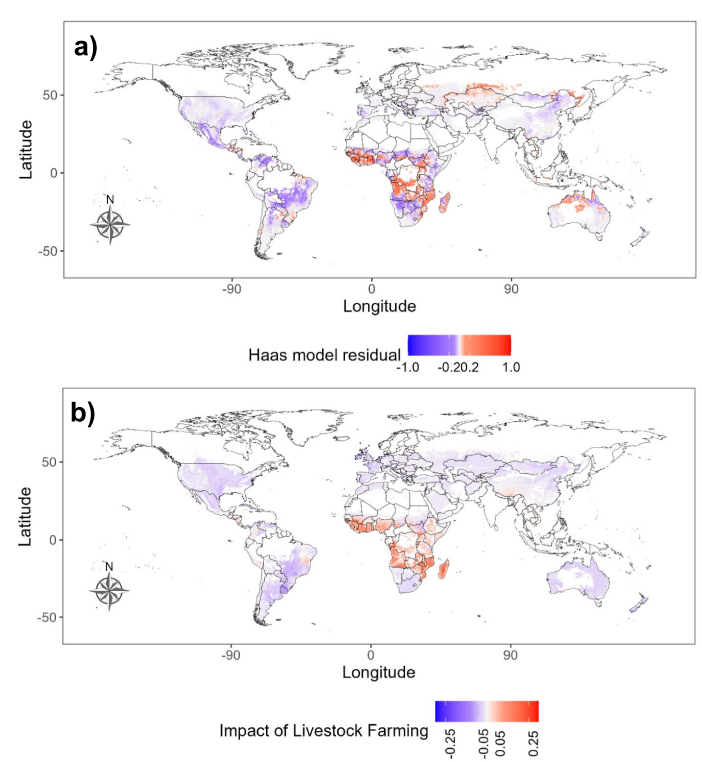
Fire vs. Grazing: How Two Major Consumers of Biomass Shape the Earth’s Vegetation

Posted on
11th August 202511th August 2025

Fire and herbivory are two of the biggest consumers of biomass on Earth, having major impacts on vegetation distribution. Fire, a natural and often necessary part of many landscapes, consumes…Read More >
Fire vs. Grazing: How Two Major Consumers of Biomass Shape the Earth’s Vegetation

Reflections on the ICCS Summer School

Posted on
18th July 2025

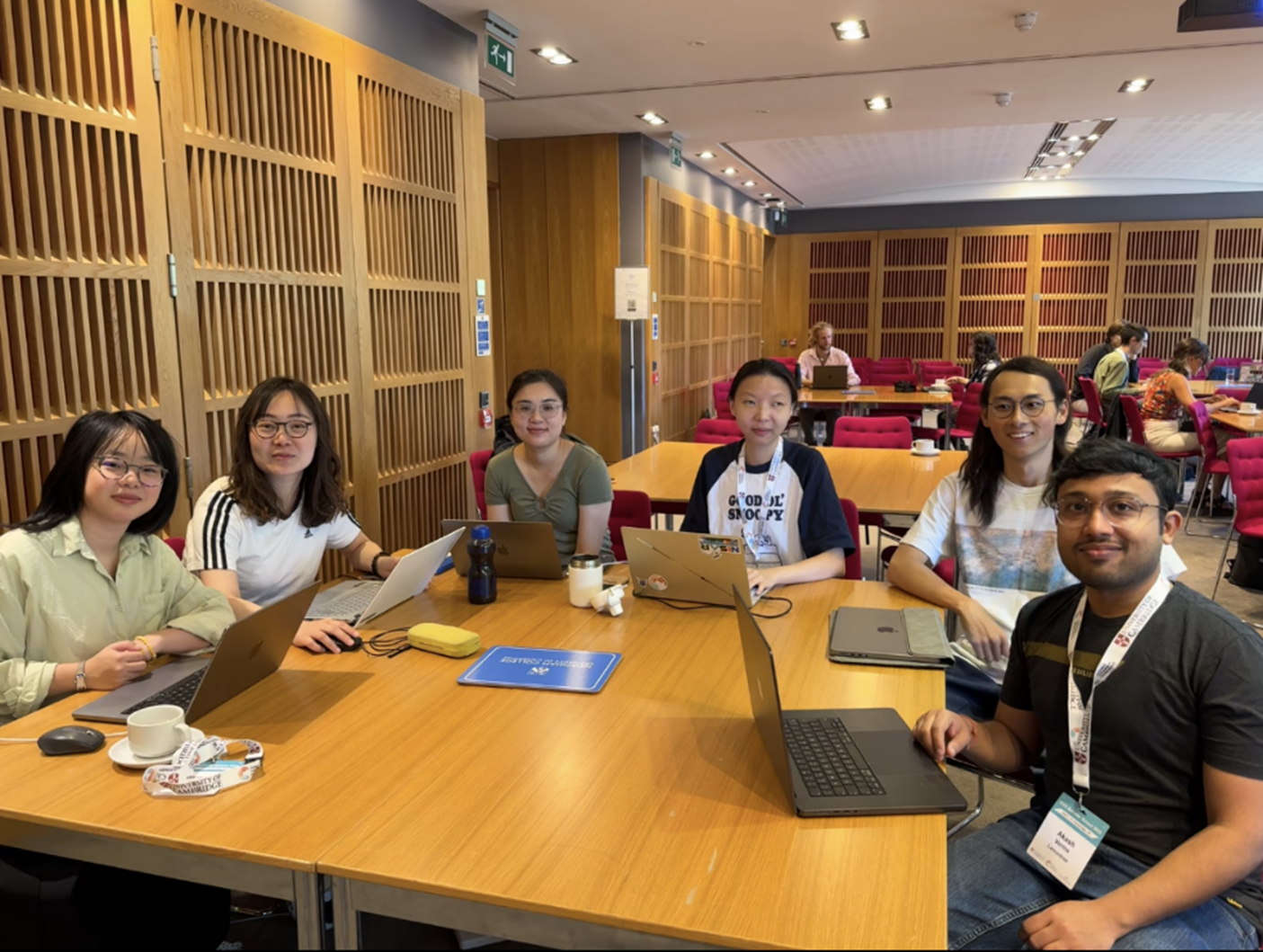
Earlier this month, SPECIAL team member Wenyao Gan had the opportunity to attend the ICCS summer school in Cambridge. The ICCS summer school was an inspiring and intensive programme that…Read More >
Reflections on the ICCS Summer School

Fire in the Earth System – 4th International Congress

Posted on
17th June 202519th June 2025

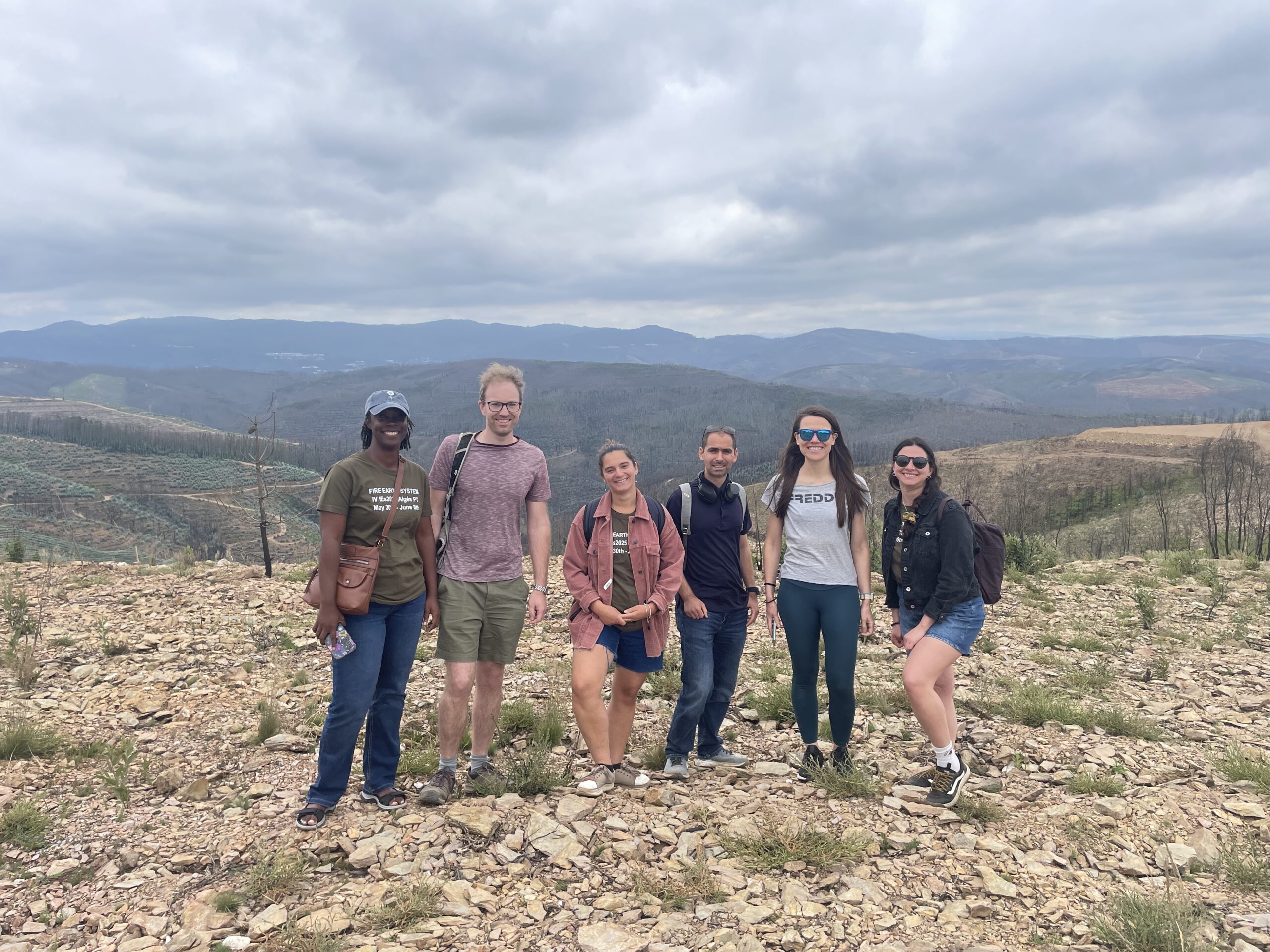
Introduction Fire is a crucial part of the Earth’s System (see a paper on this very topic, co-authored by our group PI Sandy Harrison here). Under changing future climates fire…Read More >
Fire in the Earth System – 4th International Congress

Spring Symposium Recap: Fires Across the Globe

Posted on
2nd June 2025

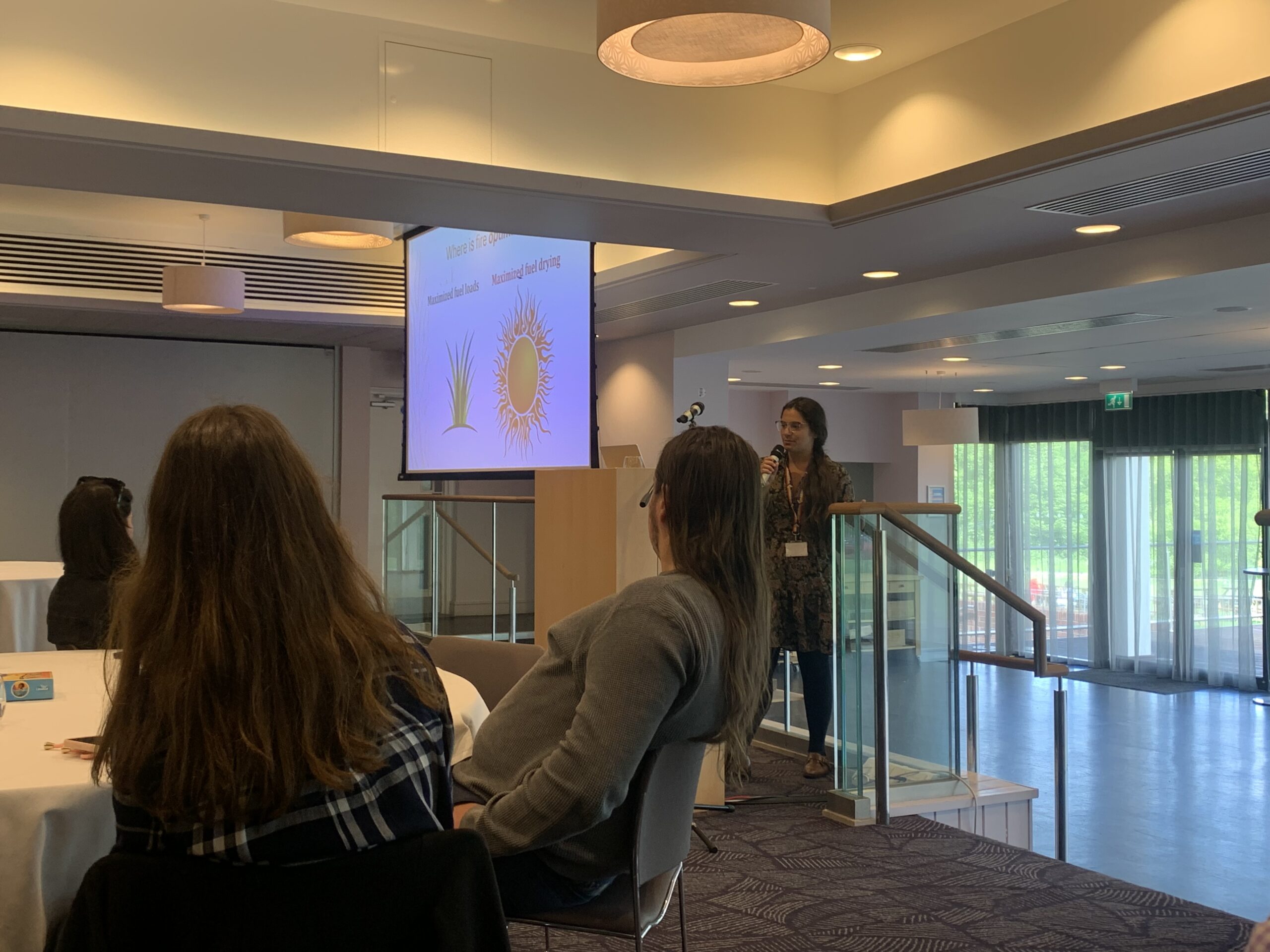
Late in May, the University of Reading had the pleasure of hosting the Leverhulme Centre for Wildfires’ annual Spring Symposium. A packed two-day programme filled with inspiring talks, lively discussions,…Read More >
Spring Symposium Recap: Fires Across the Globe

SPECIAL Team Takes EGU 2025 – The Biggest Geoscience Conference in Europe

Posted on
16th May 2025

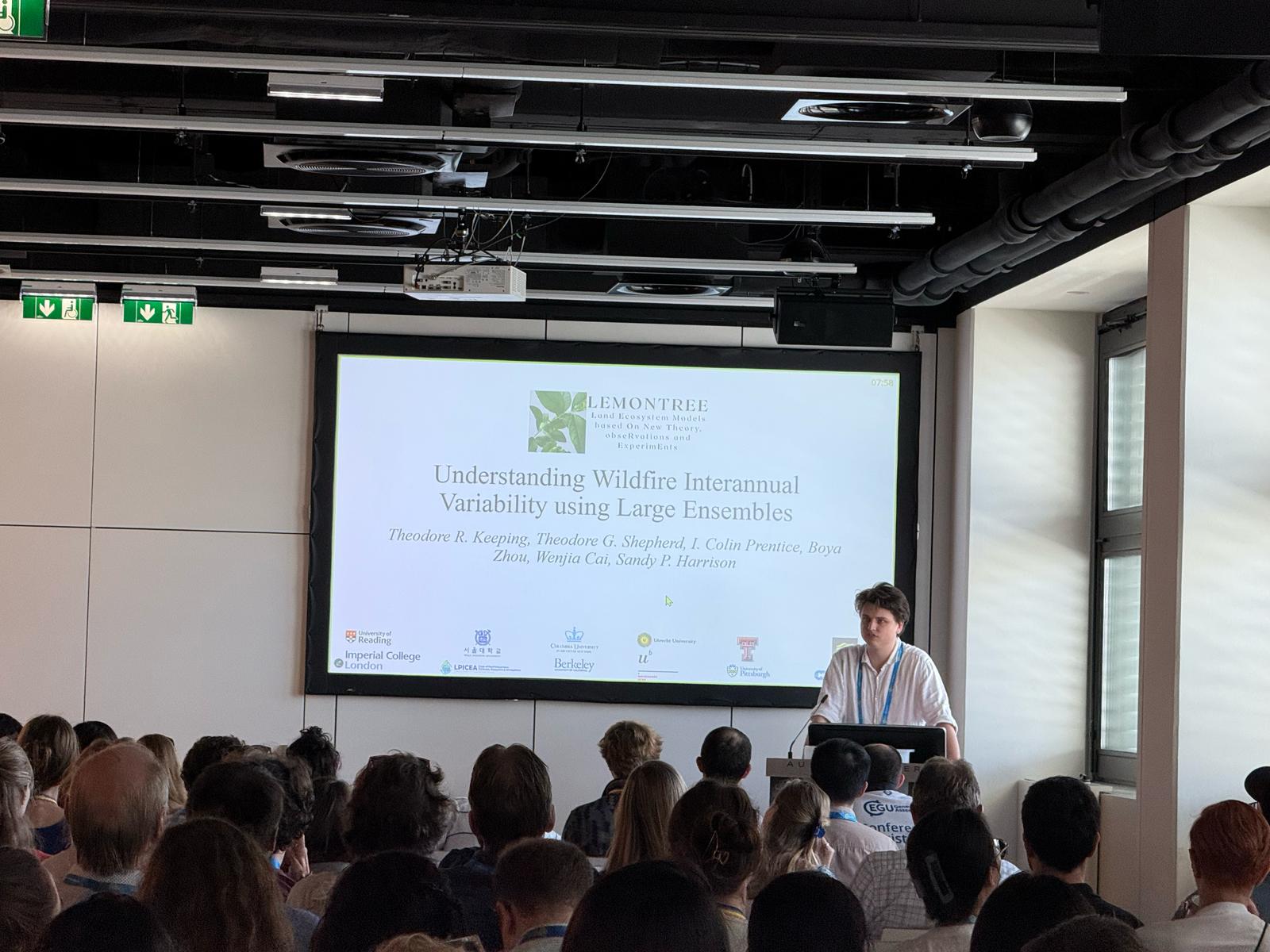
The European Geosciences Union (EGU) General Assembly 2025 (EGU25) took place from 27 April to 2 May 2025 in Vienna, Austria. As Europe’s premier geoscience conference, EGU25 brought together scientists…Read More >
SPECIAL Team Takes EGU 2025 – The Biggest Geoscience Conference in Europe

Incorporating Eco-Evolutionary Theory into Land Surface Models – Challenges and Opportunities

Posted on
25th April 2025

Last week SPECIAL Group PI Sandy Harrison led an exciting workshop at Dartington Hall on incorporating eco-evolutionary optimality (EEO) theory into land surface models (LSMs). Sandy and Sophia represented the…Read More >

Incorporating Eco-Evolutionary Theory into Land Surface Models – Challenges and Opportunities

Posts navigation

Older posts
Newer posts

Contact: Prof. Sandy Harrison

s.p.harrison@reading.ac.uk

or

s.l.cain@reading.ac.uk

 _______________________________________
         .
SPECIAL logo kindly provided by Oriol Comas Bru

Tags

benchmarking biome reconstruction Biomes China Plant Trait Database climate climate reconstruction CMIP6 conference crop data-assimilation database early career ecology EGU EMBSeCBIO Environment and Society fire FireMIP fire modelling fire regime furnaces LandCover6k leaf morphology Leverhulme Centre for Wildfires model comparison model evaluation Partner institutions photosynthesis plant behaviour plant traits PMIP pollen predictive model publication resources SISAL SMPDS SPECIAL speleothem team members vegetation vegetation model Wildfire work in progress workshop
© Copyright University of Reading
Facebook YouTube Instagram Twitter

University of Reading cookie policy

We use cookies on reading.ac.uk to improve your experience. You can find out more about our cookie policy.
By continuing to use our site you accept these terms, and are happy for us to use cookies to improve your browsing experience.

Continue using this website