
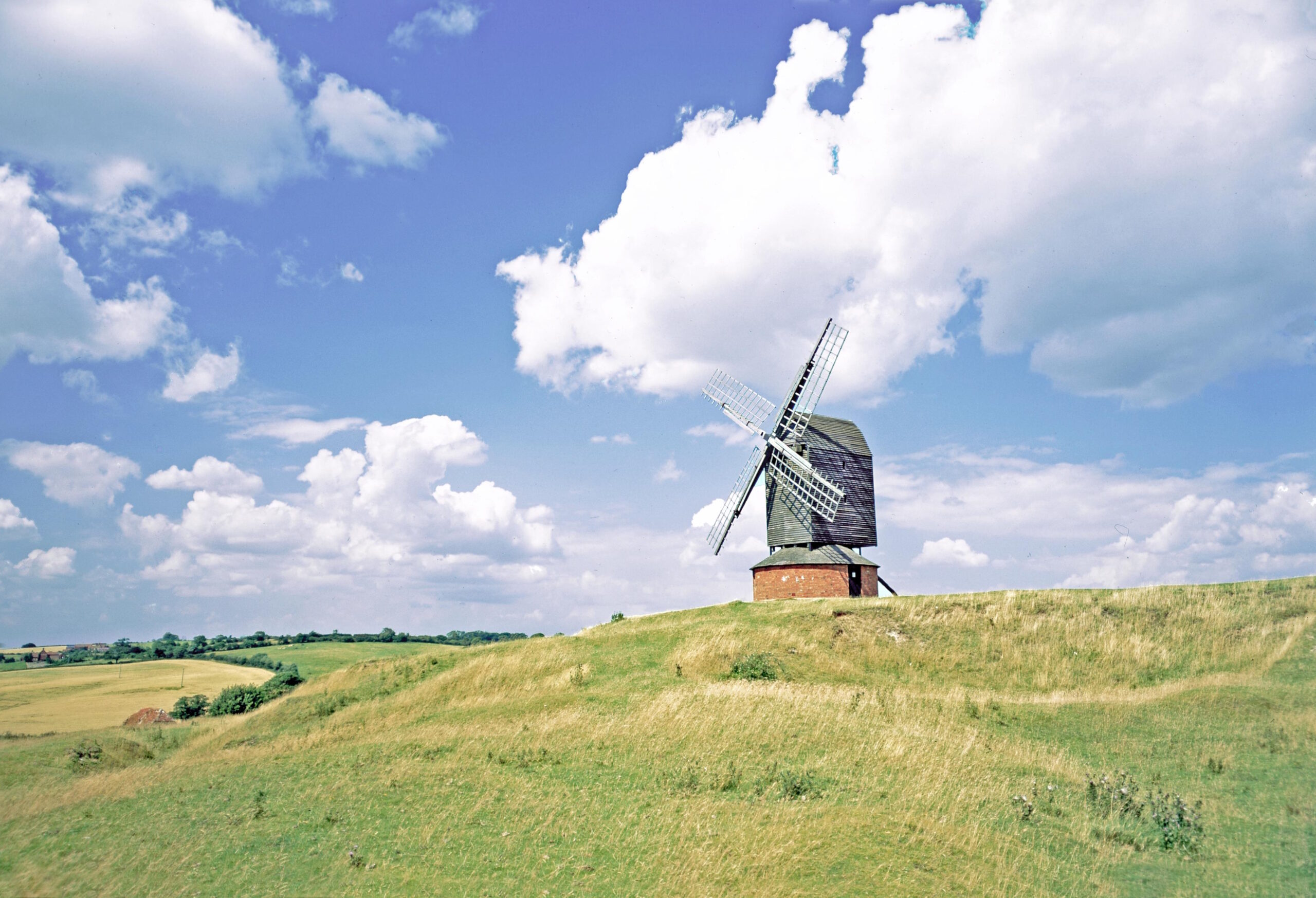
Dr Mara Oliva and colleagues explore the unexpected connections between historic windmills and modern renewable energy in a new installation that can be experienced in person at the Centenary Community Festival in May.
What does a historic windmill have in common with a modern wind turbine? At first glance, they might seem like technologies from completely different worlds. But both tell a shared story about how people have harnessed natural forces to generate power over centuries.
Bring Power to the Garden is a three-part installation exploring how historic windmills and modern renewable energy technologies are connected, helping audiences understand the relationship between heritage and sustainability, and how past knowledge can inform present choices. It was developed by the University of Reading in collaboration with the Mills Archive Trust and artist Anthony Greentree, and supported by the University’s Centenary Fund and the Environmental Humanities Group.
The project combines research, storytelling and art to make energy systems feel accessible, tangible and relevant to everyday life. With expertise spanning history, psychology, environmental studies and creative practice, the team explores not just how energy systems function, but how people understand and relate to them.
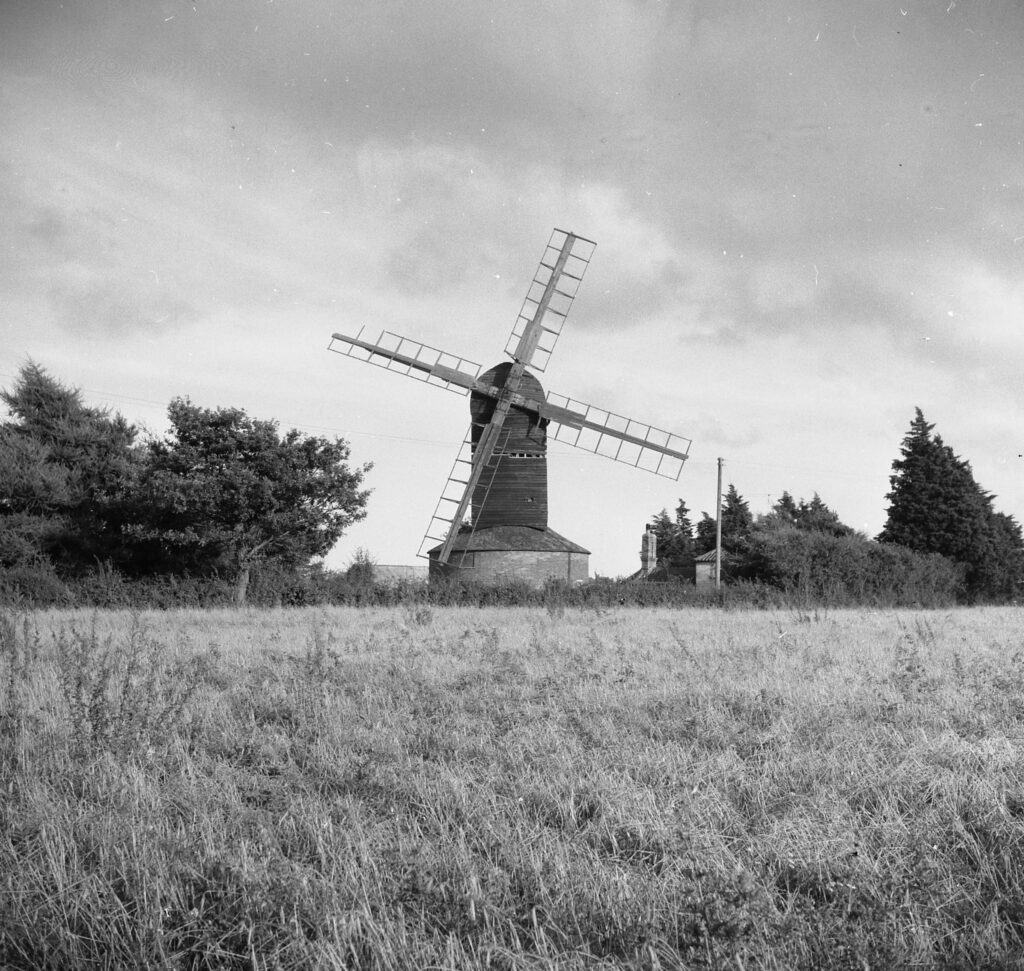
Milling, memory and modern energy
The installation begins with an immersive experience featuring Mildred Cookson, a miller who spent more than 30 years working at Mapledurham Watermill. Hearing her describe her work brings the world of milling to life in a direct and personal way. Rather than focusing only on machinery, her story highlights the skills and knowledge involved in operating a mill, and how mills once supported entire communities by turning grain into flour. Mildred’s reflections show how people worked closely with wind and water, using natural forces in practical and sustainable ways.
From there, visitors explore a sustainability and culture trail across the University campus. The trail brings together environmental initiatives with artistic responses – including music, poetry and visual art inspired by the landscape. Alongside examples of biodiversity projects, green infrastructure and renewable energy in practice, these creative works help translate sustainability ideas into personal and emotionally resonant experiences. This combination encourages visitors to reflect on how sustainability is not only technical, but also cultural, shaped by values, identity and everyday experience. The trail extends Mildred’s story into the physical environment, linking lived history with present-day action across the campus.
The final stage takes place in the Outdoor Learning Garden within the Harris Garden at the University of Reading. Here visitors encounter a sculptural bamboo windmill created by artist Anthony Greentree, alongside a modern wind turbine. Their purpose is to help school groups and young people understand how wind energy is generated through a simple, interactive visual demonstration. Made from sustainably sourced bamboo, it reflects renewable design principles while encouraging curiosity and engagement.
By combining these different perspectives, the project shows that sustainability is not only a technical challenge but also a cultural one, shaped by how we understand the past and imagine the future. Ultimately, it invites visitors to explore energy as a shared story between people, technology and the natural world, and to consider how we might write the next chapter together.
All images courtesy of The Mills Archive Trust