


Dr Tan Wingenbach, Lecturer in Psychology, explains how the extraordinary muscles in our faces not only create the expressions we see every day but also work invisibly beneath the surface, and may help us connect with and understand one another.
Every time you smile, frown or raise your eyebrows in surprise, something remarkable is happening beneath your skin. There is constant movement in your face as your expressions shift – and yet most of us never stop to think about how any of it actually works.
What creates a smile? Why does everyone’s grin look slightly different? And what’s going on in your face when you think you’re keeping a perfectly neutral expression?
The answers lie in the fascinating world of facial muscles, and they’re far more surprising than you might imagine. Here are seven things about them you might not know.
1. Your facial muscles follow their own anatomical rules
Pretty much all the muscles in your body are connected to bones, allowing your joints to move. Muscles contract and relax, leading to movement through space – what else is there to know?
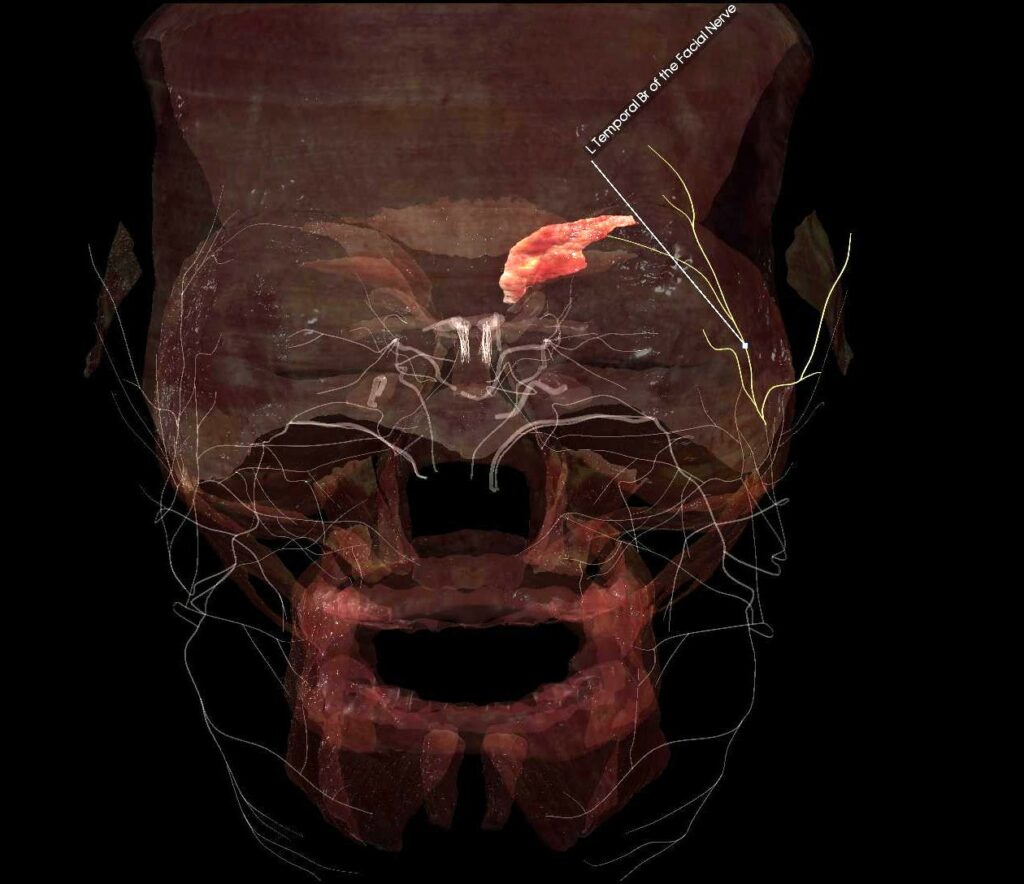
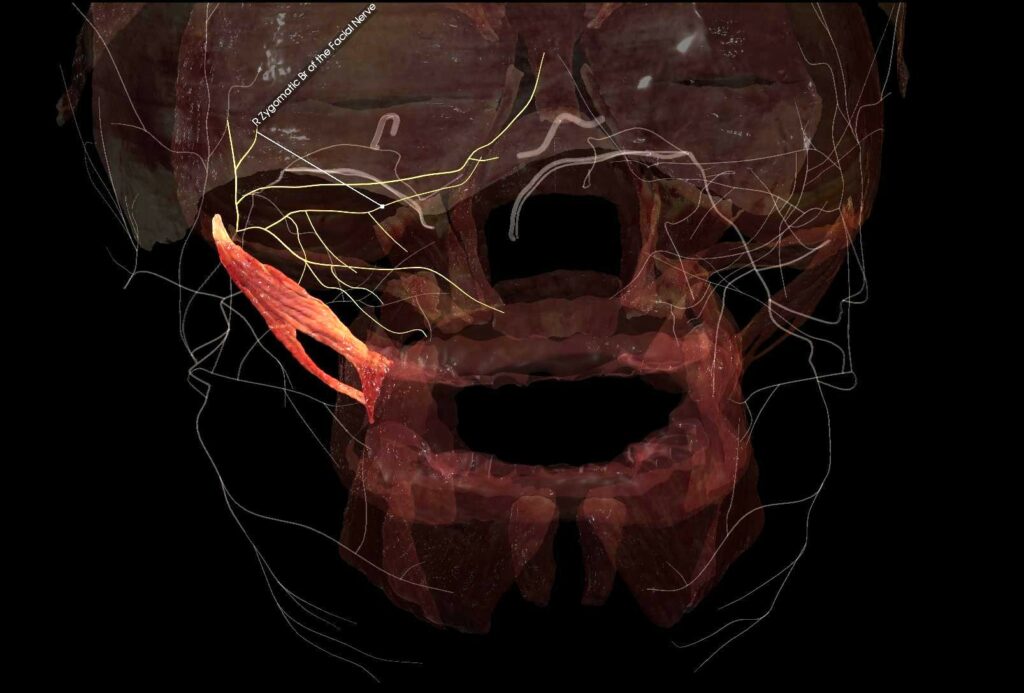
But your face is different – it never moves in space like your limbs do. The only bones being moved are in your jaw, and the muscles doing this are mainly used for eating. By contrast, the facial muscles that create expressions work differently. Many of them are connected directly to the skin, which means they pull and move the skin itself, creating the expressions we see. No other part of your body can replicate this.
2. Facial muscles are tiny but plentiful
What might surprise you is just how many muscles we have in our faces – around 40! The face has two sides, with about 20 different muscles on each one. This large number of facial muscles lets us pull a huge variety of expressions. Just changing up the involvement of one facial muscle can create a very different looking facial expression, and it’s this unique anatomical set-up that makes faces so central to human communication. We can use facial expressions alone to communicate – no words required.
3. Your face is one of a kind, inside and out
It’s obvious that each person has their own individual facial appearance. Of course, some people look more similar to each other than others. But did you know that facial muscle anatomy is also unique? Not everyone has exactly the same facial muscles. Some may be larger on one side of the face or absent altogether. The exact location of certain facial muscles can also vary from person to person. This may help explain why no one person’s smile looks quite like another’s. Your smile is as unique as you are.
4. We all read the same emotional language – through facial expressions
Despite all this uniqueness in facial muscle anatomy, we share common perceptions of what emotional expressions look like. This common ground allows us to correctly read each other’s facial expressions. In fact, we rely heavily on this, constantly looking at faces and using expressions as cues for interpretation.
Research consistently finds high agreement between people in labelling facial expressions with emotion terms. Not everyone does equally well at this task, though. For example, women tend to do it slightly better than men. So don’t just rely on your face – it can help to actually say how you are feeling!
5. Facial expressions can be hidden
Here’s where things get really interesting. Not all activity in facial muscles leads to visible expressions. Sometimes muscles are active, but the pull on the skin is minuscule. You may think your expression is neutral, with nothing going on at all, but there’s often a lot happening beneath the surface.
To capture such subtle muscle activity, we need technical equipment such as facial electromyography. This involves attaching small sensors to the skin with double-sided adhesives, which record the electrical signal produced when muscles contract. This method allows us to identify which areas of the face are active and can even provide information on how you’re feeling.
6. We (invisibly) mimic each other’s facial expressions
When someone smiles at you, chances are you smile back without even thinking about it. But did you know that you may also mimic someone’s facial expression without it being visible in your face? Facial electromyography can reveal otherwise hidden aspects of human social interaction. A fascinating example is what scientists call “facial mimicry” – a matching of the observer’s facial muscle activity to observed facial expressions. For a long time, researchers thought this mimicry was quite simple – that our faces just responded to whether an expression was positive or negative (what psychologists call its “valence”). But in our own lab, using more sensors across the face, we showed that it’s much more specific than that. We’re not just copying the emotional valence; we’re recreating the specific expression itself, right down to the precise muscular signature, all beneath the surface of our seemingly neutral faces.
7. Your facial muscles might be the key to empathy
So why do we have such a copying mechanism? Researchers are still working to understand this, but some scientists think that facial mimicry helps us understand others on an emotional level. When we “feel” what another person is feeling, this provides a path to empathy. In other words, facial muscles of expression aren’t just a means of communicating with others – they also help you receive input from them.
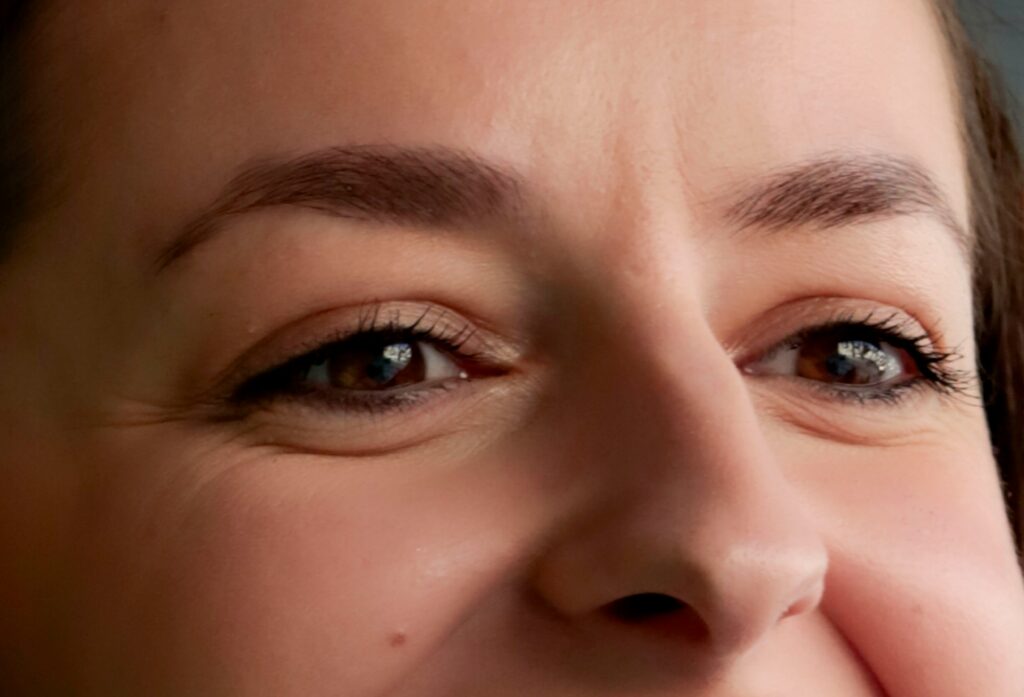
So, the next time you smile, frown or raise that eyebrow, remember: there’s far more happening than meets the eye. Facial muscles allow us to create a wide range of visible expressions that communicate emotions and intentions to others. But they’re also active under the surface, even when we think our faces are perfectly still.
I bet you won’t take people’s expressions at face value anymore!
Feature photo taken from: Wingenbach, Ashwin, & Brosnan (2016). Validation of the Amsterdam Dynamic Facial Expression Set – Bath Intensity Variations (ADFES-BIV): A Set of Videos Expressing Low, Intermediate, and High Intensity Emotions. PLOS ONE 11(12): e0168891. Published under CC BY 4.0.