The Interdisciplinary Research Centre in Digital Humanities is led by five co-directors, who are supported by the DH Officer in delivering the University of Reading’s strategic aims and objectives for DH. Our co-directors offer specific expertise in different DH methodologies and, therefore, provide excellent mentorship to our seed projects that are funded each year.
The co-directors are responsible for the delivery of events and training that align with their expertise, and managing their personal portfolioes which ensure that DH at Reading remains interdisciplinary and inclusive.
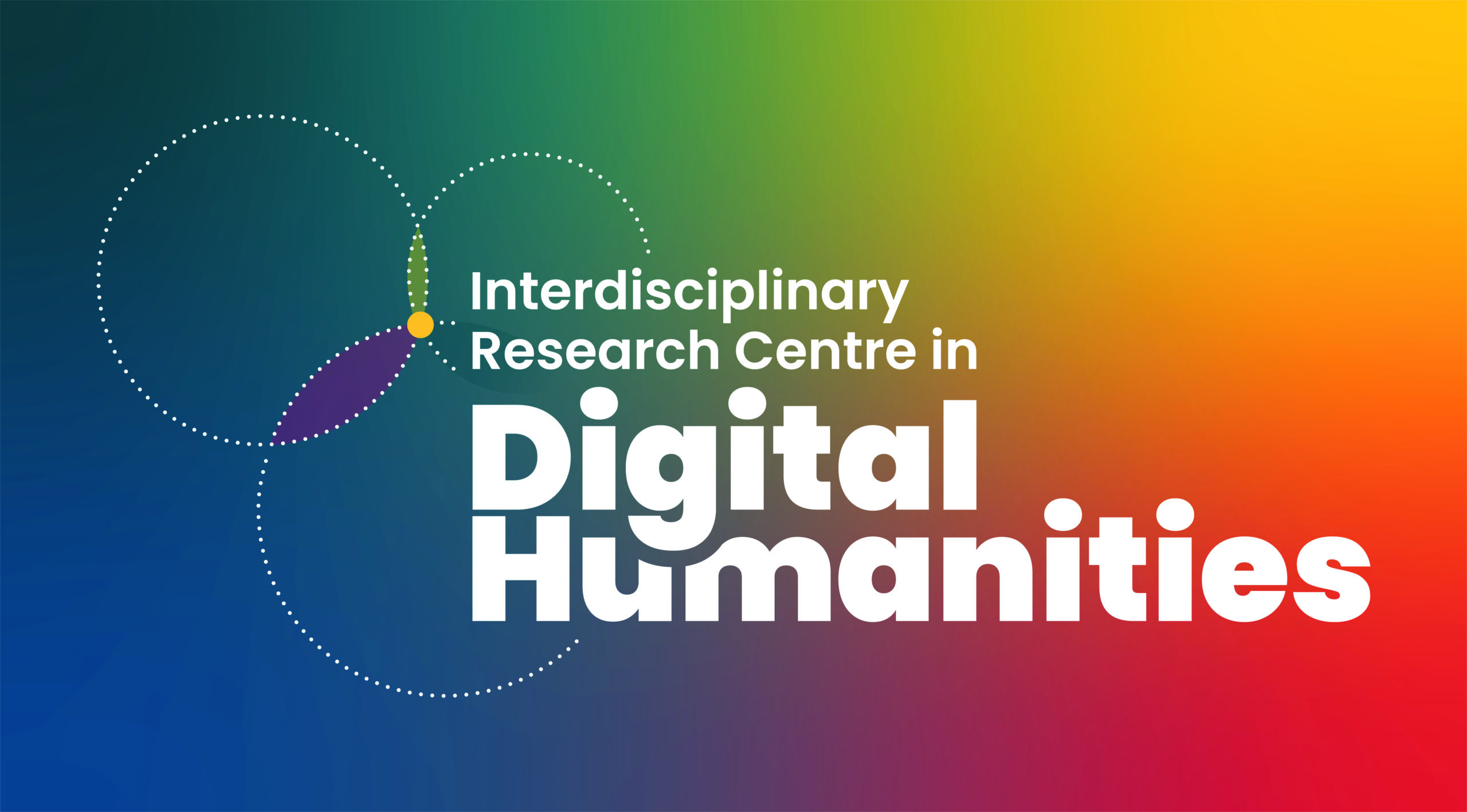
Dr Mara Oliva
Dr Mara Oliva is Associate Professor in Modern US History at the University of Reading and Director of the Interdisciplinary Research Centre in Digital Humanities (IDRC-DH). Her research sits at the intersection of history, politics, and digital humanities, with particular expertise in twentieth-century US political and environmental history, and digital methods for humanities research.
As Director of IDRC-DH, she provides strategic leadership for the Centre, overseeing financial planning, and institutional development. She is responsible for strengthening grant capture, building external partnerships, and developing the Centre’s profile in Digital Humanities. Her portfolio includes leading on public engagement activity, fostering collaborations with archives, museums and cultural institutions, and shaping approaches to research culture across interdisciplinary teams. She is also a member of the University of Reading Research Culture Board.
Mara is recognised for pioneering new methodologies for historical scholarship, including videographic criticism and other innovative digital approaches to historical interpretation and analysis. Her work explores how digital and interdisciplinary methods can transform historical practice, particularly in relation to archives, narrative form, and public-facing scholarship.
She is a strong advocate for interdisciplinarity and open research, promoting collaborative, transparent, and inclusive approaches to humanities research that engage both academic and non-academic audiences.
She contributes to international discussions on Digital Humanities and Artificial Intelligence and is a peer-review editor at Digital Humanities Quarterly.
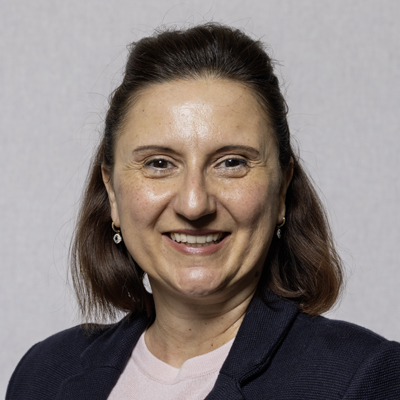
Dr Alan Guedes
Alan has been a Computer Science Lecturer since 2024 at University of Reading. Previously, he was a postdoc at University College London (UCL), working on immersive media. He did a PhD and worked as postdoc at PUC-Rio (Brazil), contributing to Media Industry standards (ITU-T SG16, SBTVD) and working on video understating. His research interests lie in Artificial Intelligence, Computer Vision and GenAI methods. At Reading, he is applying AI in multidisciplinary research in Digital Humanities (collaboration with MERL, Ure, Synthetic Media), climate (Meteorology) and biodiversity (collaboration with National History Museum). As co-director, Alan is working to improve digital and AI literacy across the university by hosting workshops and offering consultancy.
See more about his projects at http://alanlivio.github.io.
Dr Rachel Lewis
Rachel is the Research Development Manager for the Heritage and Creativity research team at the University of Reading, supporting researchers from across the arts and humanities disciplines to develop research ideas into high-quality proposals to secure external grant funding. With a background in life sciences research, academic publishing, supporting research strategy at the MRC, and enabling research across the university, Rachel brings a different perspective to the IDRC’s leadership team as the first research-adjacent colleague at UoR to hold a leadership position within an IDRC. She has been part of UoR’s DH project since 2020 and has been a core member of the DH Hub team since its inception.
As a co-director of the IDRC DH, Rachel leads on governance and is committed to ensuring that the centre is inclusive of the full spectrum of researchers and research-adjacent colleagues at the University. She will be leading the development of a support programme for professional services staff members. Rachel is also a member of the DH Hub team, and provides a key link between the centre’s strategic development and the more hands-on support provided by the DH Hub.
Rachel is also part of the management team for UoR’s AHRC Impact Accelerator Account and has been part of the team driving a significant shift in approach and capacity to deliver meaningful research impact.
Dr Dominic Lees
Dominic Lees is Associate Professor in Filmmaking at the University of Reading. He leads the Synthetic Media Research Network, a group of creative innovators, AI developers, stakeholders and academic researchers who explore the potential of Generative AI in film. He co-edited a special issue on deepfakes of the journal Convergence and has published articles in Critical Studies in Television, The Journal of Media Practice, Studies in Documentary Film, Convergence, and Media Practice and Education. His 2019 experimental research with deepfakes and film drama was groundbreaking and he speaks on the impact of AI on the creative industries across a wide range of international media.
Dominic is co-editor of a new book series for Routledge, ‘AI in Film and Media’ and is co-author of the book Generative AI in Film Production. He is lead writer on AI for the British Film Institute’s Sight and Sound magazine.
Beyond academia, Dominic has worked as a Specialist Advisor on the film industry for the UK Parliament’s Culture, Media and Sport Committee. He has a background as an award-winning film and television director.
Professor Lisa Purse
Based in the department of Film, Theatre and Television, Lisa is the director of the ImmerseLab. Her research concerns the relationship between the aesthetics and the politics of representation in contemporary cinema.
Her interest in representation extends to screen industry production cultures. She leads an AHRC-funded Impact Accelerator Account project, Screen Industry Voices, which examines the challenges UK freelancers and screen businesses face in securing economic sustainability in a volatile market. Lisa submitted interim data from the project as part of written evidence to the UK Parliamentary Inquiry on Film and High-End Television, and she is am a member of the Screen Workforce Development Group (Berkshire Local Skills Improvement Plan).