
Strand 3a: 2000 – 2029
Refugee movements to Britain from 2000 to current day
Dr Anenechukwu Amoke leads on this strand of the research, with the wider team contributing insight from the time period their strand focuses on. Similarly, Anenechukwu’s work will inform other parts of the research programme and public engagement.
Anenechukwu’s research strand in the four-year Nation of Refuge project explores how refuge, displacement, and belonging in Britain since 2000 are represented and interpreted through literature, storytelling workshops, and museum engagement.
This is a major strand of research within the 4-year Nation of Refuge project
Anenechukwu’s research strand will inform the Nation of Refuge project, enabling us to understand and reimagine Britain’s relationship with refugees by:
- exploring how refugees, refuge, and displacement have been represented in Britain since 2000 through literature, museums, and other cultural forms
- examining how institutions shape and organise refugee histories and experiences
- creating space for refugees to interpret objects, stories, and cultural materials, and to develop their own narratives through collaborative storytelling
- asking how Britain’s idea of itself as a “nation of refuge” is supported, challenged, or reimagined through culture
This strand is interested in how understandings of Britain’s relationship with refugees are shaped when refugees are not only written about but also involved in interpreting materials and producing their own narratives.
Main areas of focus
The research is organised around three connected areas:
Literary studies
Anene examines novels and other literary forms that represent refugees, asylum, displacement, and belonging in Britain since 2000. This substrand asks how literature helps us understand experiences of refuge, public feeling, and the cultural imagination of refuge.
Collaborative storytelling
Anene works with refugee participants through storytelling and writing activities developed with community partners. These workshops are approached as spaces of cultural production, where new stories, reflections, and forms of authorship can emerge.
Museums and material culture
Anene also explores how refugees engage with museum objects and exhibitions, and how objects can prompt memory, interpretation, and new ways of telling stories. It asks how museum collections might be read differently when refugees are invited to interpret objects in their own ways.
This time period is important to the project because:
The period from 2000 to the present is especially important for understanding refuge in Britain. It includes years shaped by intensified border controls, public debate, rapid asylum policy changes, and changing attitudes to migration. It also includes major events and turning points that have influenced how refugees are discussed and received, including:
- the securitisation of borders after 9/11
- the so-called European refugee crisis of 2015
- Brexit and its effects on migration and belonging in Britain
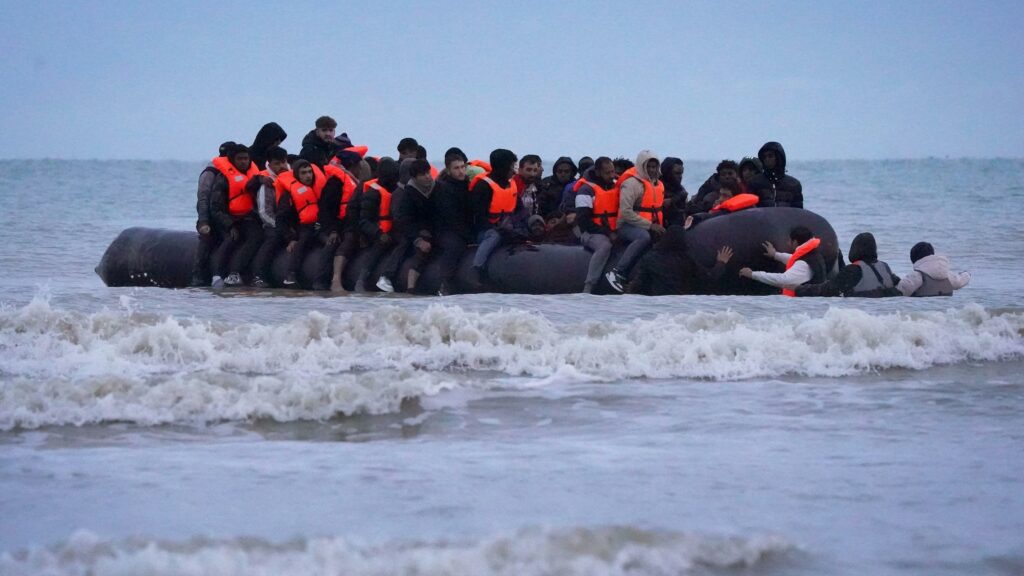
- intensified debates about asylum, small boat crossings, and Britain’s responsibilities towards refugees and asylum seekers.
Studying this period helps show how ideas of refuge are shaped not only by policy but also by culture, memory, and public feeling.
Research Methods and Approaches
Anenechukwu uses an interdisciplinary approach that combines literary analysis, storytelling, and museum engagement. The strand will:
- analyse literary works by and about refugees
- develop storytelling and writing activities with community partners
- explore how refugees interpret and engage with museum objects and exhibitions
- use a Mass Observation directive to gather contemporary public reflections on refugees and refuge in Britain
Taken together, this approach allows the project to bring literary analysis, community collaboration, and material interpretation into conversation.
Anenechukwu’s research will make a significant contribution to future refugee research and policy making
His research project will:
- Anenechukwu’s research contributes to the wider project by:
- showing how cultural forms shape narratives of refuge
- highlighting the importance of refugee participation in interpretation and storytelling
- offering new ways of engaging with refugee-related objects, stories, and archives
- contributing to debate about how Britain has imagined itself, and might reimagine itself, as a nation of refuge