
Strand 1: 1930s – 1950s
Refugee movements to Britain in the 1930s-1950s: a focus on children and young people
Dr Monja Stahlberg leads on this strand of the research, with the wider team contributing insight from the time period their strand focuses on. Similarly, Monja’s work will inform other parts of the research programme and public engagement.
The research: child and young refugees from Europe
Monja’s research examines children and young people’s experiences as refugees in Britain from the 1930s to early 1950s.
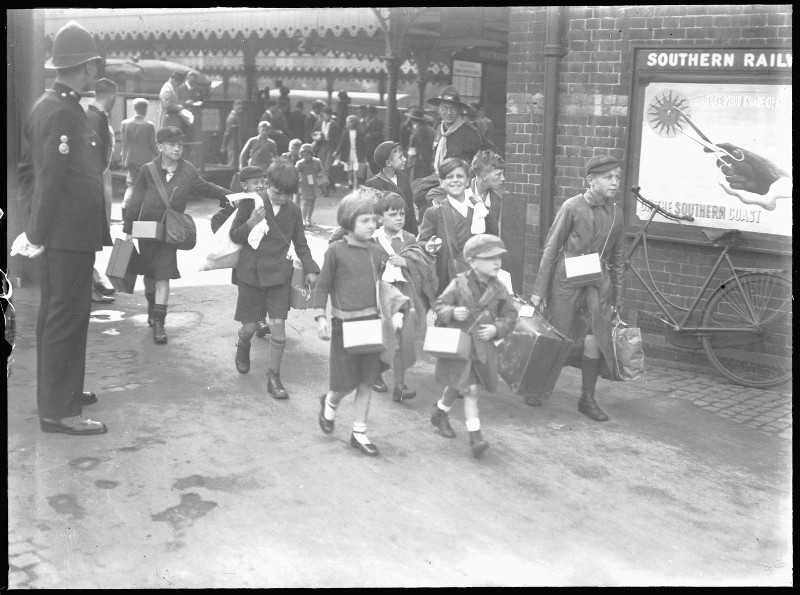
She the accounts of children and young people’s personal experiences with how they were represented and perceived in Britain. For example, by the media, the government and the British people.
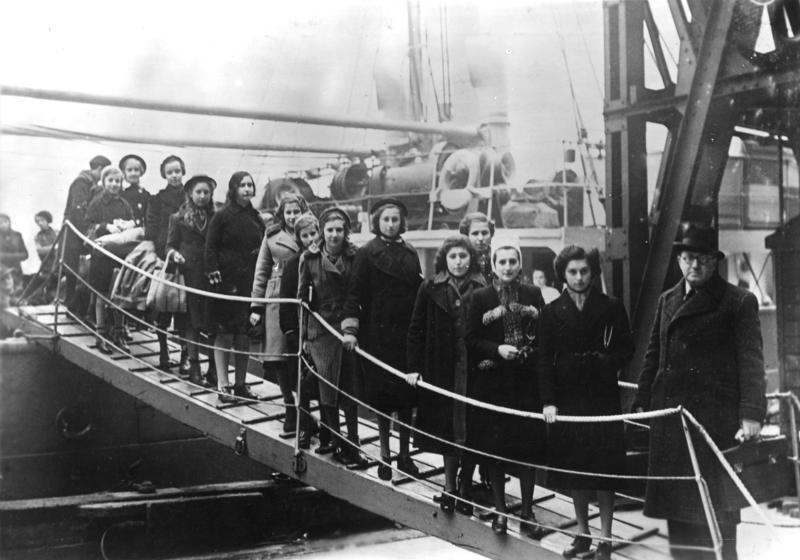

This is a major strand of research within the 4-year Nation of Refuge project
Monja’s research strand will inform the Nation of Refuge project, enabling us to understand and reimagine Britain’s relationship with refugees by:
- providing an in-depth examination of the everyday experiences of young refugees (0-21 years old) and the welcome they received in Britain. This focus on young refugees within 1930s-50s will be supplemented with a smaller analysis on this demographic within the other time periods.
- Contributing insight about the experiences and British perception and reception of different national groups.
- Examining the British cultural context at that time.
This time period is important to the project because:
The Kindertransport is arguably the most well-known refugee children movement to Britain. Archival material relating to this large-scale rescue of Jewish children from systematic persecution will help us understand the complexity of the refugee experience and the nature of the British welcome.
Monja explains that now is an exciting time to be working with archive material relating to the 1930s-1950s as the archives are rapidly expanding and much material is unexplored.
‘Families are keen to donate archive material to libraries from relatives who have sadly passed away. For example, diaries, letters, applications for citizenship, newsletters from the time that people have annotated, postcards, family photos, annotated bibles and calendars. It’s exciting how we can gain a more detailed and nuanced understanding of the everyday experiences of refugees during this time.’
Dr Monja Stahlberger
Research Methods and Approaches
This project involves archival close reading, oral history integration, Mass Observation sampling, media/policy analysis.
Monja works with archived material, including ego documents (diaries, letters, memoirs); institutional records (Home Office, Board of Education, welfare and faith organisations); Mass Observation diaries and directives; British newspaper archives; newsreels; BBC written archives.
These sources enable Monja to explore everyday experiences, reading what was written ‘in the days, about the days’. It’s through understanding the mundane and the ordinary that we can create a more comprehensive picture of the refugee experience in Britain and understand how they lived within the institutional laws and rules that governed their lives.
Monja’s research will make a significant contribution to future refugee research and policy making
This research project will:
- Elevate the focus on children in current day refugee policy.
- Advance our understanding of ‘lessons learned’ (the factors involved in mistakes and in successes) to inform British institution responses to refugees.
- Critically assess and inform public narratives about young refugees, for example on gender.
- Bring dispersed and largely unknown archive material into the public domain, providing easy access to overarching insight about young refugees between 1930 and 1950 to inform debate and policy making.
- Enable the development of a framework to guide the design of future research on the refugee experience.
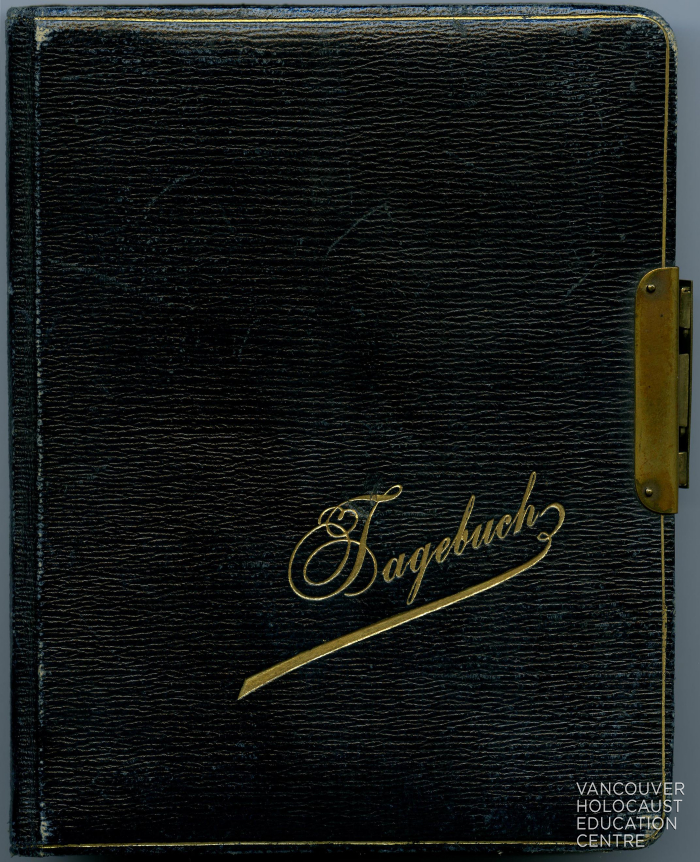
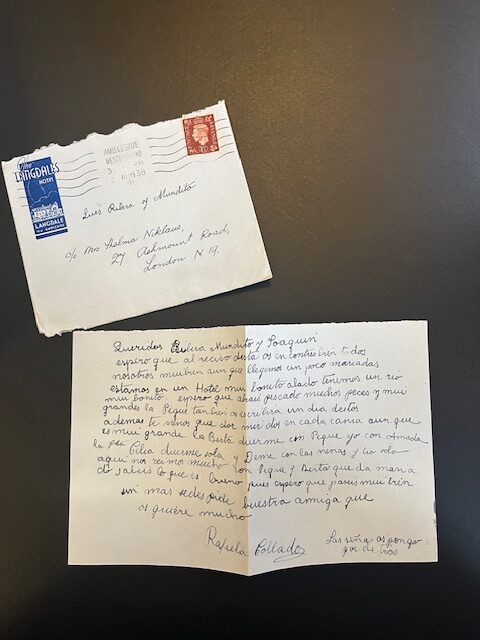
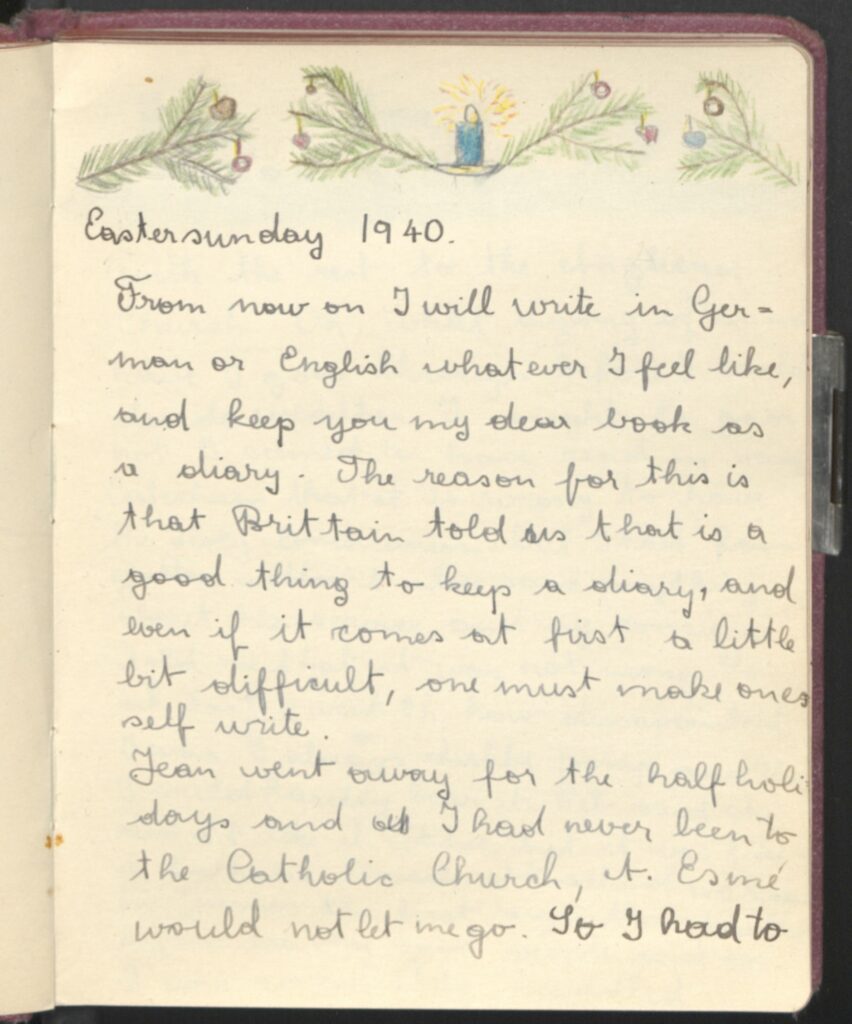
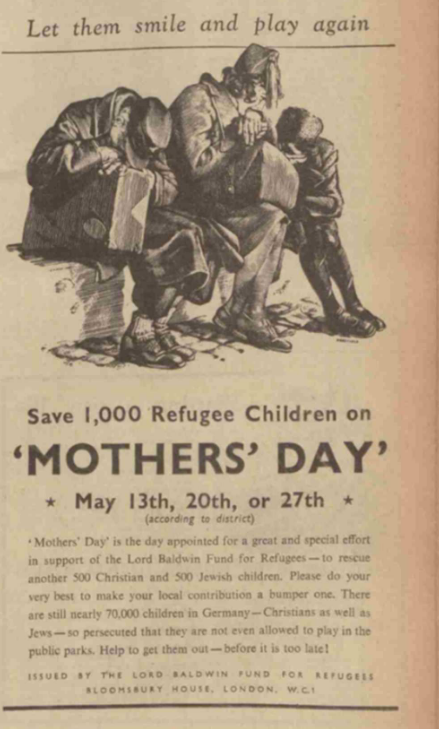
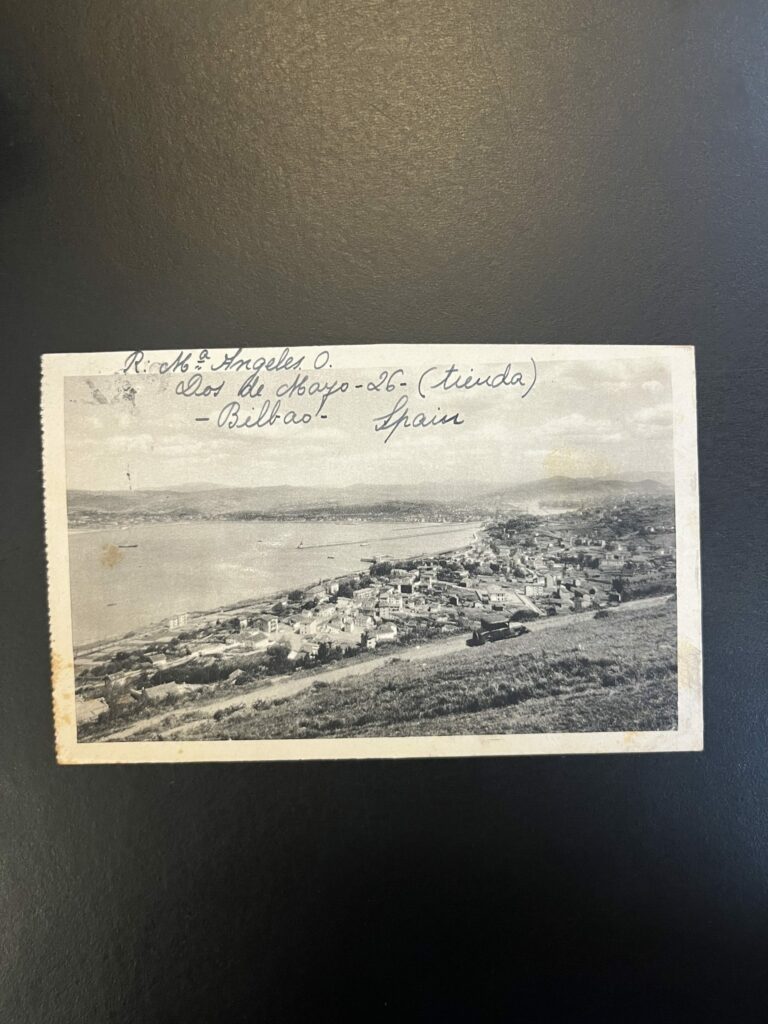
Image Credits
Image 1: Diary of Paul Meyer, Archival Item Identifier 98.007.002. Vancouver Holocaust Education Centre, Meyer family fonds. © Donated to the VHEC by Paul Meyer in 1998. Courtesy of the Vancouver Holocaust Education Centre. | Image 2: Letter written by a Rafaela Collado, Photo: Monja Stahlberger / Senate House Library Archive, Basque House and Basque Refugee Children Papers, MS1269/2. | Image 3: Elisabeth Orsten’s first diary entry, written January 1939. Copyright: United States Holocaust Memorial Museum. Provenance: Elisabeth Orsten donated the Elisabeth Orsten papers to the United States Holocaust Memorial Museum in 2000 and 2001. | Image 4: Nottingham Evening Post, 8 May 1939, p. 9. British Library Newspapers. Accessed 26 Feb. 2026.|Image 5: Postcard. Photo: Monja Stahlberger / Senate House Library Archive, Basque House and Basque Refugee Children Papers, MS1269/2.