
Strand 2: 1970s – 1990s
Refugee movements to Britain in the 1970-90s
Dr Amy Grant leads on this strand of the research, with the wider team contributing insight from the time period their strand focuses on. Similarly, Amy’s work will inform other parts of the research programme and public engagement.
Amy’s research examines refugees’ experiences in Britain during the 1970s-1990s. She compares their personal, lived experiences with how they were received and perceived in Britain. Amy will do this by examining government, media and public narratives about specific refugee movements during this time period.
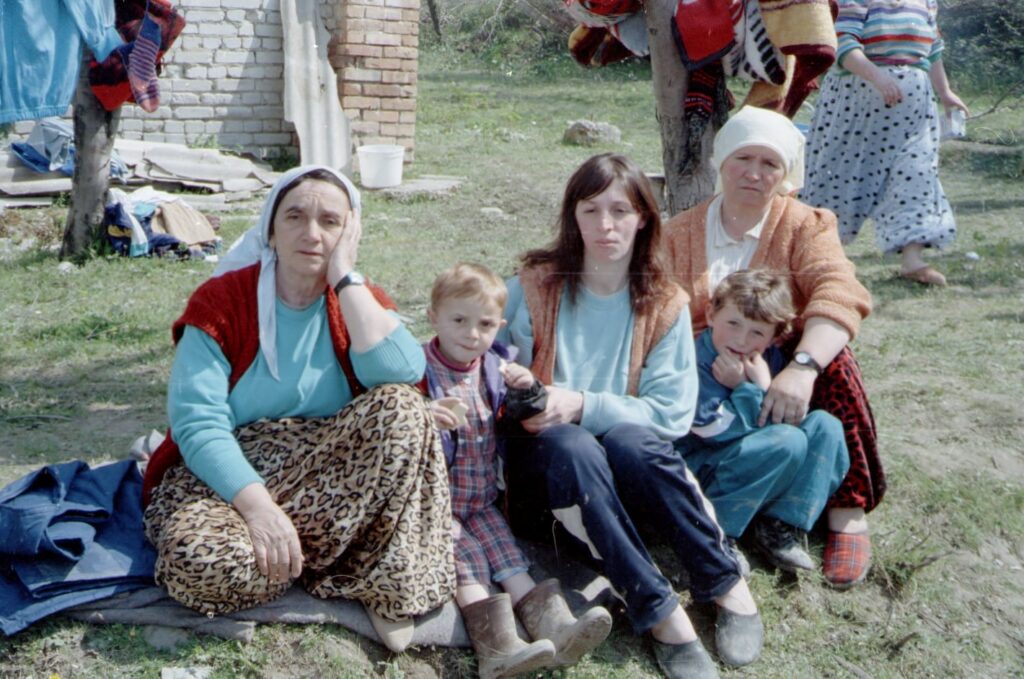
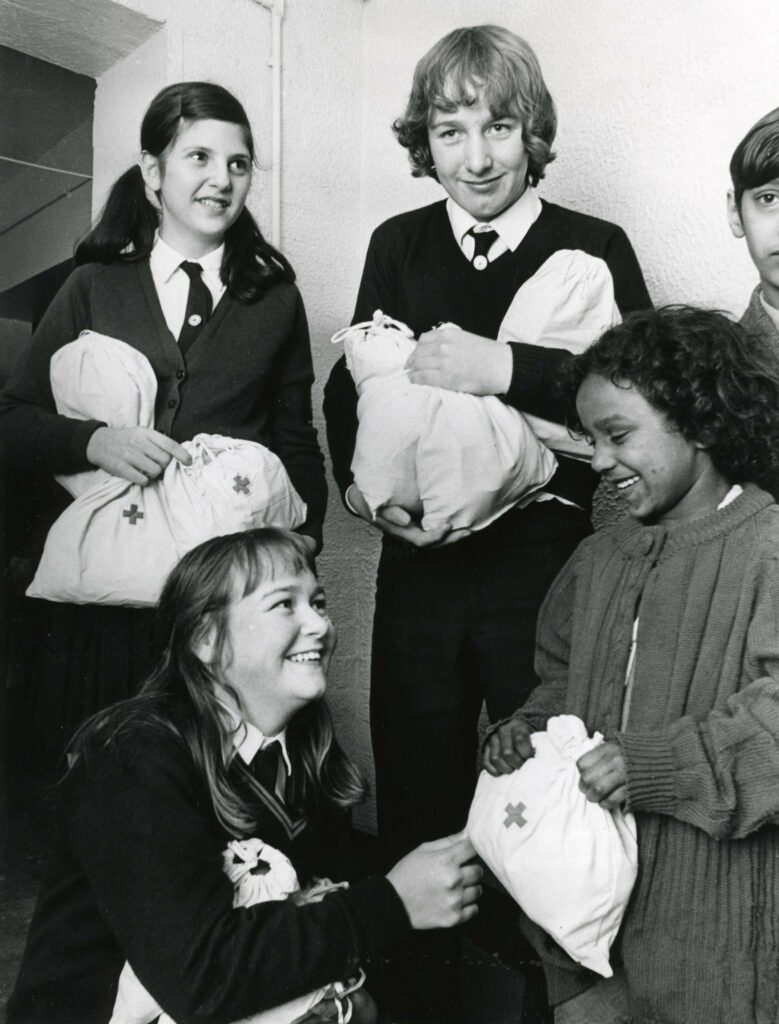
This is a major strand of research within the 4-year Nation of Refuge project
Amy’s research strand will inform the Nation of Refuge project, enabling us to understand and reimagine Britain’s relationship with refugees by:
- outlining how and why Britain’s legal and policy framework changed between 1930 and the current day (the span of the Nation of Refuge project). This knowledge will enable the research team to better understand the complex relationships between the rapidly changing legal and policy context, public attitudes to refugees and refugee experiences.
- Contributing insight about the experiences and British perception and reception of different national groups during the 1970-90s.
- Examining the British cultural context at that time.
- Critically assessing (and differentiating between) common vocabulary used in public narratives on refugee history, for example, ‘success’, ‘assimilation’, ‘integration’.
This time period is important to the project because:
The Ugandan-Asian refugee movement is arguably the most well-known during the 1970s-1990s. However, Amy will also look at the experiences of Tamal and Vietnamese refugees which have received less media and research attention.
She will explore how all three refugee movements were received by the British government and British people.
This period in recent history is particularly interesting, and pivotal to understanding Britain’s history with refugees. It was a time of rapid legal change, for example the Commonwealth Immigrants Act 1968, the Immigration Act 1971, and the 1981 Nationality Act, alongside major geopolitical shifts. For example, at the end of the Cold War, national alliances shifted, displacing huge numbers of people.
The early 1990s saw a significant uplift in asylum applications to Britain, rising from only a few thousand annually in the late 1980s to more than 70,000 by the end of the decade, reflecting wider conflicts such as the Yugoslav Wars and the closure of other migration routes.
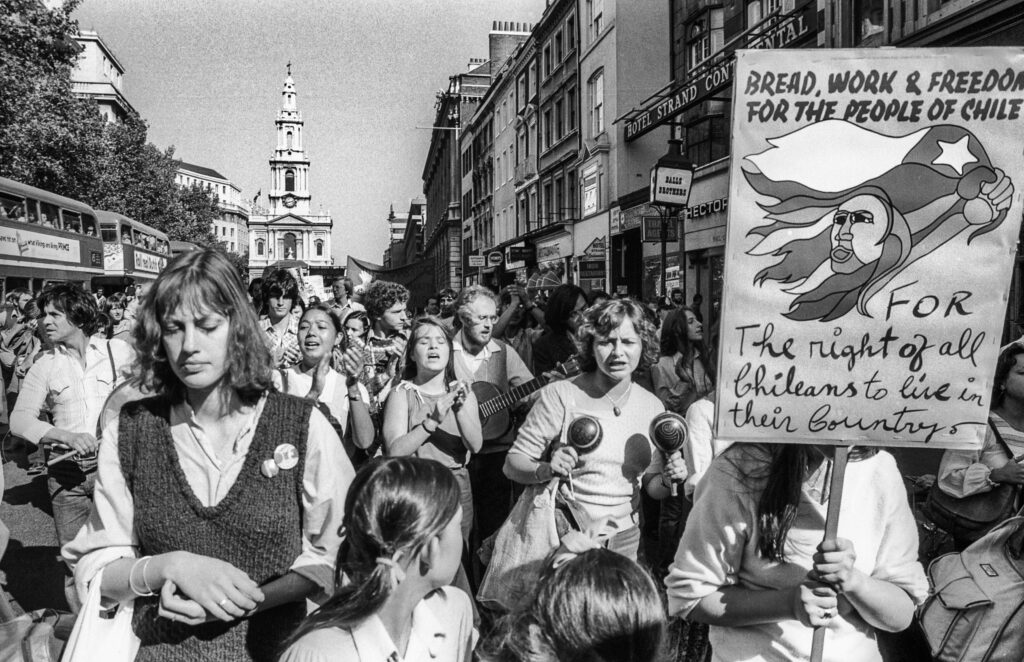
Research Methods and Approaches
To understand if and how Britain has thought of itself as a welcoming nation, Amy is looking at:
- the legal and political institutional frameworks during this time period.
- Public attitudes, through examining, for example, relevant Mass Observation archive submissions; sound and music archives (including radio programmes); community activism archives (akin to a library of community documents, stories and artefacts); and Letters to Editors in newspapers.
- refugee experiences through examining autobiographies; memoirs; oral histories (or stories) from archives and primary research.
These sources enable Amy to explore the refugee experience in Britain in the 1970-90s and the reception they received in Britain, within the context of the institutional laws and rules that governed their lives.
Amy’s research will make a significant contribution to future refugee research and policy making
This research project will:
- Bring dispersed and largely unknown archive material into the public domain, providing easy access to overarching insight about refugee experiences in the 1970s to 1990s to inform debate and policy making.
- Provide a detailed understanding of how a complex and rapidly changing legal and policy context has impacted the refugee experience through recent history. This insight is crucial for policy makers to inform responses to refugees.
- Suggest how and why certain groups of refugees have been received, treated, and remembered differently, even within similar timeframes.



Code Error: HTTP/1.1 301 Moved Permanently