
An introduction to computing climate science
During the week commencing 13 July, two members of the SPECIAL team travelled to Cambridge to attend the Institute for Computing Climate Science (ICCS) Summer School. The summer school is designed to equip early career researchers with best practice in research software engineering and introduce a broad range of topics related to computing with large climate datasets.
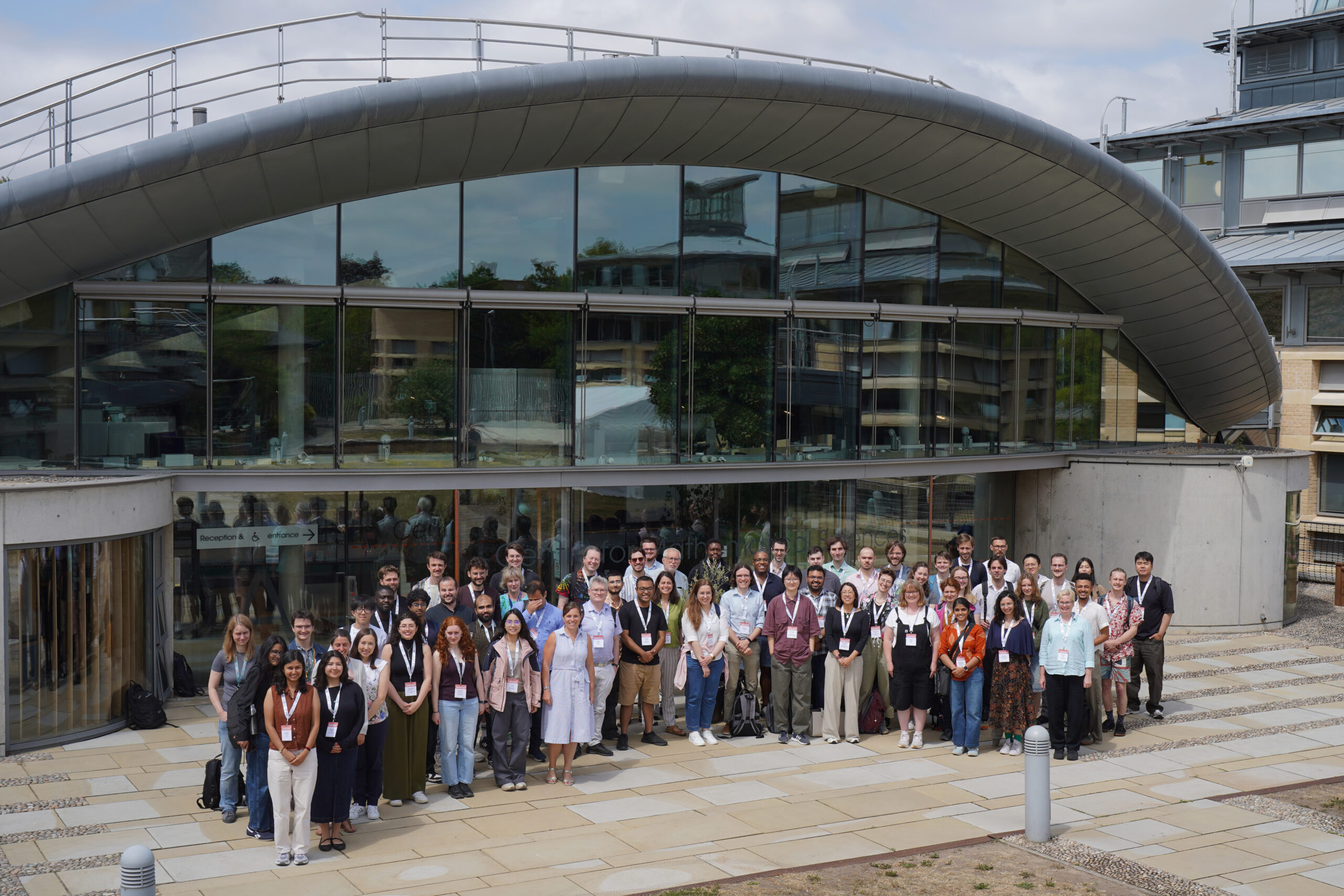
Figure 1: The attendees and facilitators of the ICCS Summer School 2026.
The week began with a keynote address from Professor Steve Easterbrook, University of Toronto. Steve provided a fascinating overview of the history of computing in climate science and explored how climate models have evolved over time. He challenged the audience to consider whether benchmarking, the process of systematically evaluating and comparing model performance, has helped accelerate climate model development by driving improvements in accuracy and efficiency.
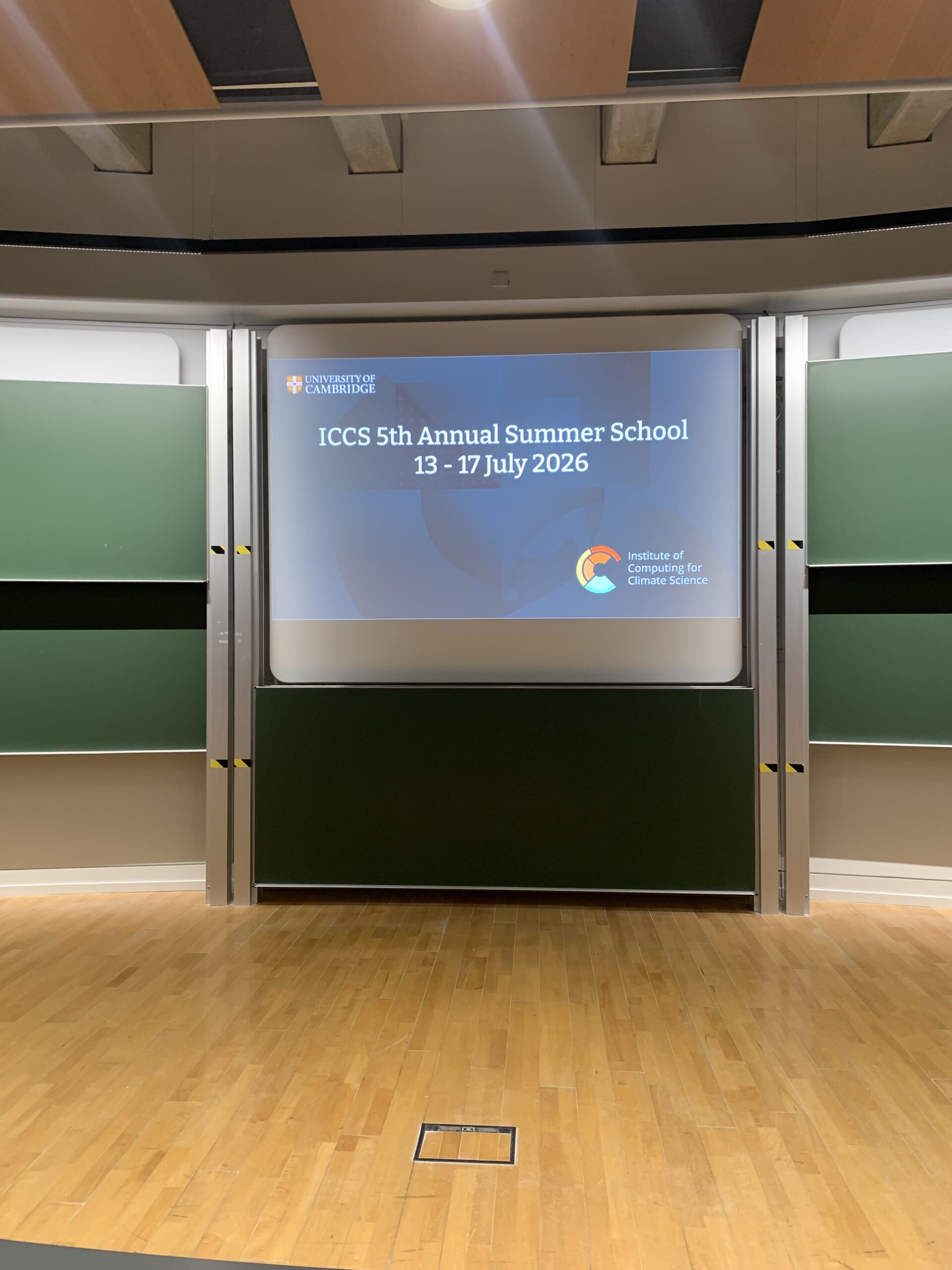
Figure 2: The opening of the Summer School at Cambridge
The programme then featured five intensive days of computer science training covering topics including GitHub, scientific programming, software testing, high-performance computing, web development, generative AI and green software engineering principles. Facilitators came from a variety of institutions and backgrounds, including Cordero Core (University of Washington), who led the generative AI session, Fatima Abbasinejad (Johns Hopkins University), who provided an introduction to web development, and several research software engineers from the ICCS team.
Highlights from the Week
Introduction to GitHub
The GitHub course provided the foundation for much of the summer school. Students learned how to access and manage repositories containing course materials using both command-line tools and Python. These skills proved invaluable throughout the week as facilitators regularly shared code, examples and exercises through GitHub repositories, reinforcing the importance of version control and collaborative software development in modern research.
Generative AI
One of the most popular sessions focused on generative AI and the evolution of machine learning. Participants explored the journey from traditional machine learning techniques to today’s large language models (LLMs). An interesting insight from the session was that, at their core, neural networks are built upon the principles of a simple binary classifier. This foundation can be traced back to the Perceptron, the first artificial neural network developed in 1957, which laid the groundwork for many of the machine learning technologies we use today.
A key theme of this session was the concept of attention, introduced in a landmark 2017 paper by Google researchers. Attention mechanisms allow models to consider relationships between words and concepts across a piece of text, enabling a much richer understanding of context than previous approaches. This breakthrough laid the foundations for many of the large language models we use today.
The session also explored how to develop custom skills and agents for AI systems. These tools help provide models with the right context and instructions, making interactions more efficient, improving the quality of outputs and, importantly, reducing unnecessary computational costs. This highlighted an often-overlooked aspect of AI: careful design can make AI systems not only more effective but also more environmentally sustainable.
If you are interested in viewing how much carbon and water your AI algorithm usage consumes you can check out this website: https://calculator.green-algorithms.org/ and it will estimate it for you based on your model (ChatGPT, Claude etc. and what you use it for).
For free and open access AI code and software check out: https://huggingface.co/models
Correctness and Testing
The session on correctness and testing focused on one of the most important aspects of scientific programming: ensuring that code behaves as intended.
Every researcher has experienced the frustration of discovering a bug after hours of analysis, or worse, after results have already been generated. This course introduced practical approaches for building robust test suites that minimise these risks. Students learned about different forms of testing, including unit tests, integration tests and property-based testing, and explored tools that help increase code coverage and reliability. The session reinforced the principle that investing time in testing early can save significant effort later while increasing confidence in research outcomes.
AI, Climate and Ethics
The summer school concluded with a thought-provoking panel discussion on AI, Climate and Ethics. The panel brought together software engineers, a social scientist, a physicist and a lawyer to discuss both the opportunities and challenges associated with artificial intelligence.
Topics ranged from the biggest unforeseen risks posed by AI to the implications of UK data centre policy and growing computational demand. While the panel broadly agreed that AI has the potential to accelerate scientific discovery, they also highlighted the rebound effect: as technologies become more efficient, their increased use can ultimately lead to greater overall resource consumption.
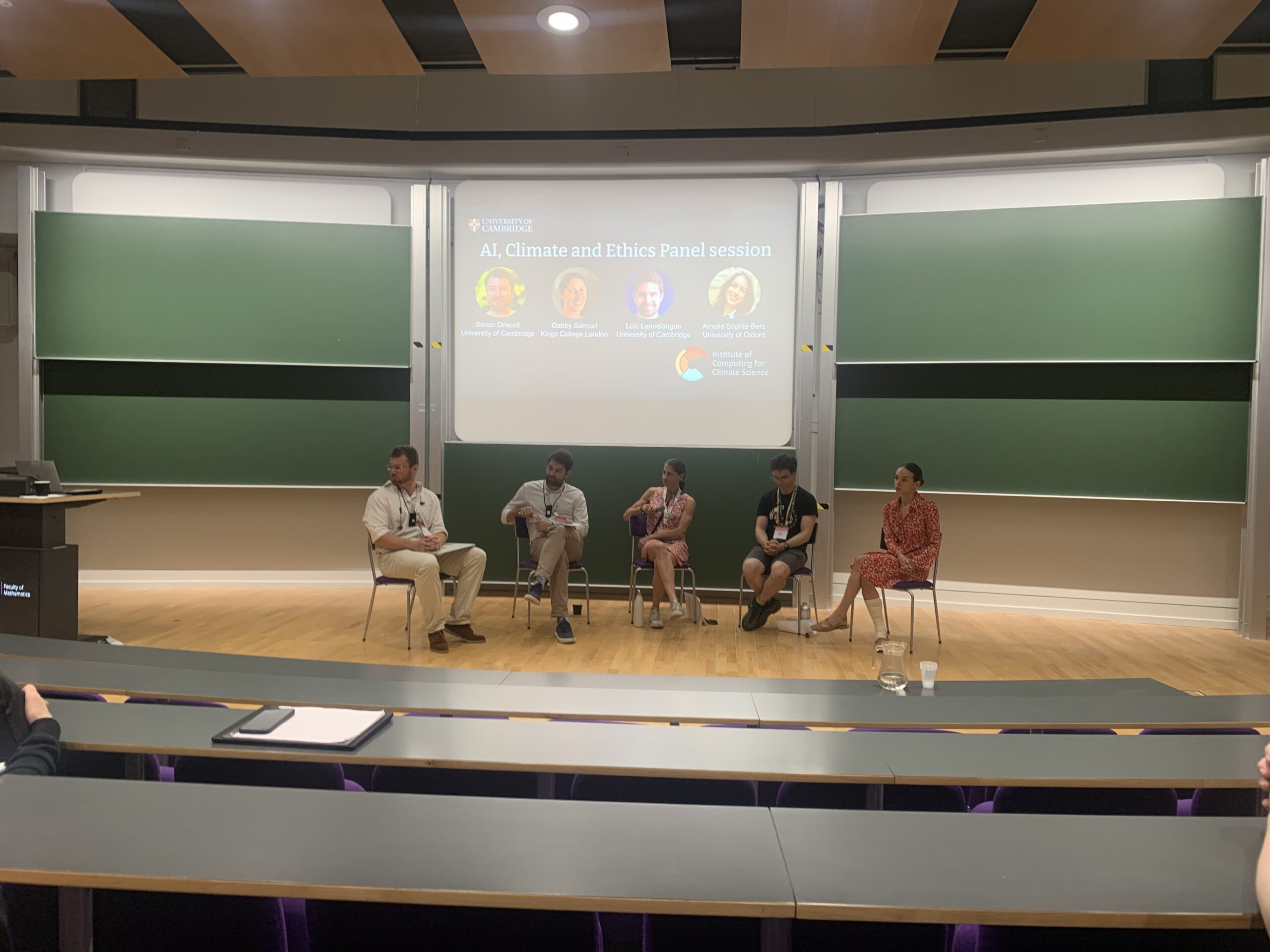
Figure 3: The panellists discussing AI, climate and ethics featuring Simon Driscoll, Loïc Lannelongue, Gabby Samuel, Jack Atkinson and Amelie Sophie Berz.
This discussion was particularly relevant for climate scientists. Our field is among the most intensive users of high-performance computing infrastructure, including supercomputers and machine learning systems, both of which require significant energy and resources. The panel encouraged researchers to embrace green software engineering practices, not only to improve computational efficiency but also to reduce environmental impacts.
The conversation extended beyond computing to broader questions of equity and justice. Audience discussion emphasised the importance of ensuring that less-developed nations are not excluded from accessing emerging technologies and their benefits. These themes resonated strongly with wider discussions on climate justice and sustainable development that extend far beyond academia and the computing sector.
On her experience at the Summer School, LEMONTREE Post-Doc Regina said:
“The rapid evolution of earth science computing tools is a double-edged sword. There has never been greater computing capacity or more tools available, and there has never been more information to sift through to choose the right ones. It was such a privilege to learn essential tools and principles for this type of research at the ICCS Summer School.” – Regina O’Kelley
Experiencing Cambridge
Of course, the summer school also made time for social activities and networking. Participants enjoyed an outing to the Cambridge University Botanic Garden, a guided walking tour of the city, a formal dinner at Sidney Sussex College, and a poster session showcasing participants’ research.
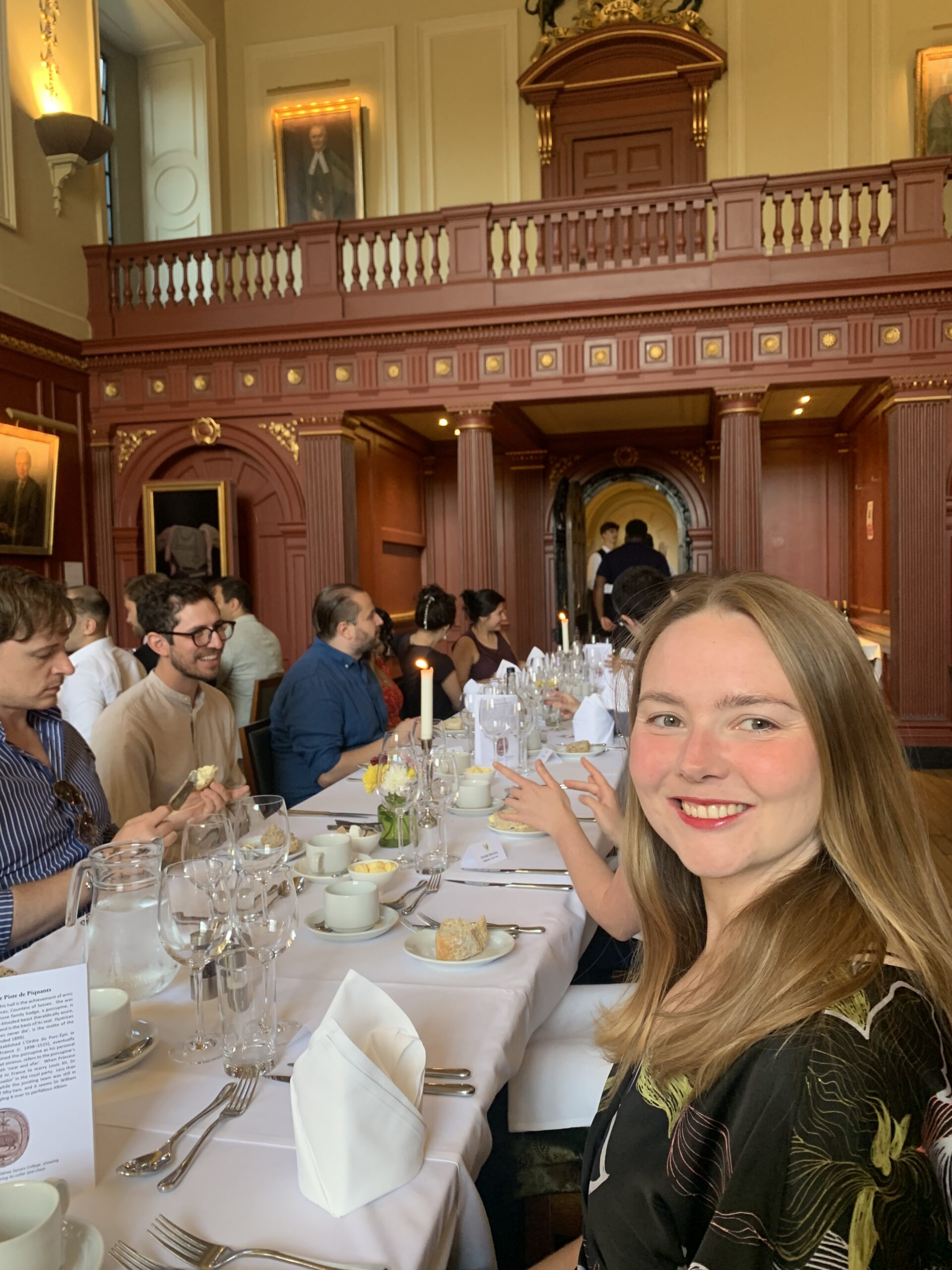
Figure 4: Regina O’Kelley Attending the formal dinner at Sidney Sussex College.
The Botanic Garden provided a fascinating opportunity to explore plant evolution and ecosystems from around the world, while the walking tour introduced many of Cambridge’s most famous historical sites and stories. The formal dinner and poster session were particular highlights, creating opportunities for students and staff to discuss their research, exchange ideas and build new professional connections in a relaxed setting.
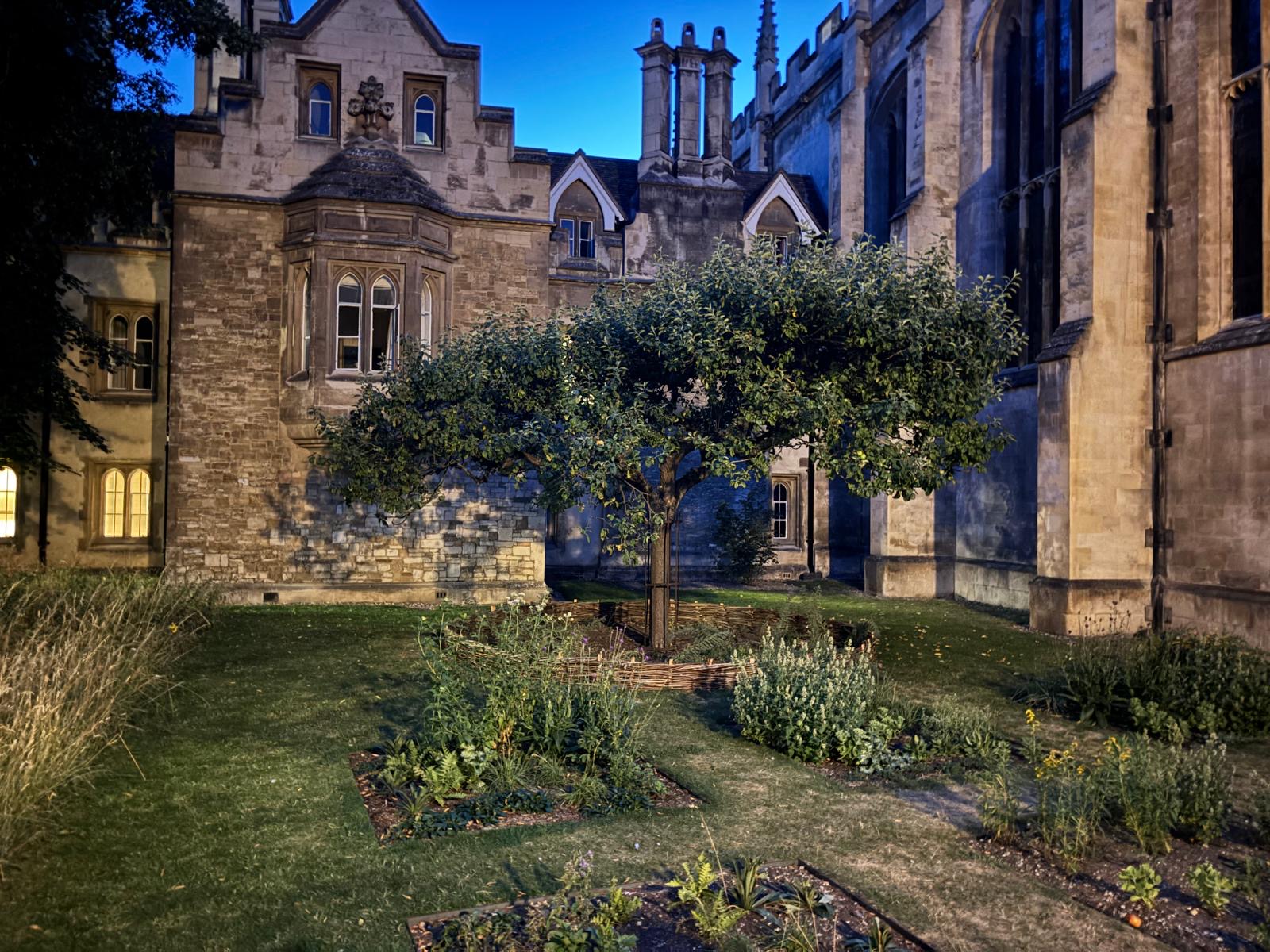
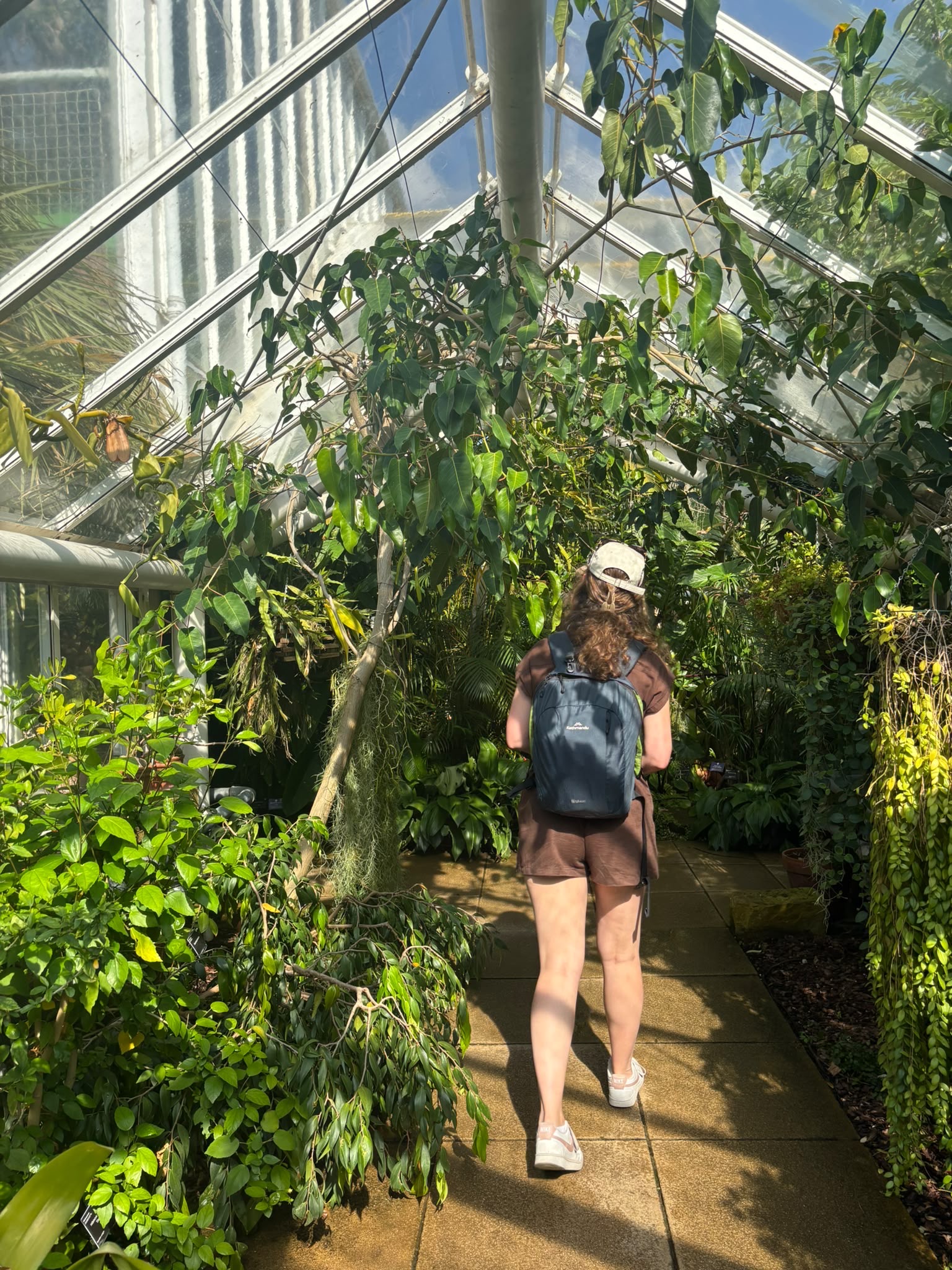
Figure 5: Left, the tree Newton was supposedly sitting under when he discovered gravity at Cambridge. Right, group walk through the Cambridge Botanic Gardens.
Final Thoughts
The ICCS Summer School provided an excellent introduction to research software engineering, modern computational methods and the emerging challenges associated with climate computing. Beyond the technical skills gained, the event encouraged participants to think critically about how we develop, use and sustain computational tools in climate science.
We would highly recommend the ICCS Summer School to anyone who has the opportunity to attend. For examples of the sessions mentioned here you can check out the ICCS YouTube Page!