
Late in May, the University of Reading had the pleasure of hosting the Leverhulme Centre for Wildfires’ annual Spring Symposium. A packed two-day programme filled with inspiring talks, lively discussions, and an opportunity for members of the centre to catch up in person. Reading University is one of the partner institutions of the centre with members of the S.P.E.C.I.A.L research team contributing to the fire-vegetation interactions Giraffe team. We were proud to welcome colleagues from across the UK (and beyond – thank you to those who travelled all the way from Crete!) to our home campus.
It was fantastic to see our own members Connor, Olivia, and Mengmeng present their work. The symposium offere d a valuable opportunity for them, and for all of us, to receive feedback, spark collaborations, and strengthen ties across the Centre.
Day 1: Geographically similar but methodologically distinct
The first day featured a series of thematic sessions spanning fires in the Americas and Africa, as well as studies on peatlands, uplands, and policy. What was striking was the diversity of methodological approaches presented, ranging from remote sensing to community engagement and field observations, all exploring similar geographies through different lenses.
We also had an engaging session on climate adaptation, with researchers and students alike contributing to thoughtful, interdisciplinary discussion. It was great to see such active participation across the spectrum, from PhD students to principal investigators, which gave the event a real sense of cohesion and community.
We wrapped up the first day with a gentle bird walk around the lake on Reading’s Whiteknights campus. Armed with binoculars (thank you to Will Hayes from RHU for organising!), we spotted a host of fluffy new arrivals and enjoyed the springtime wildlife. Even a light drizzle couldn’t dampen the mood.
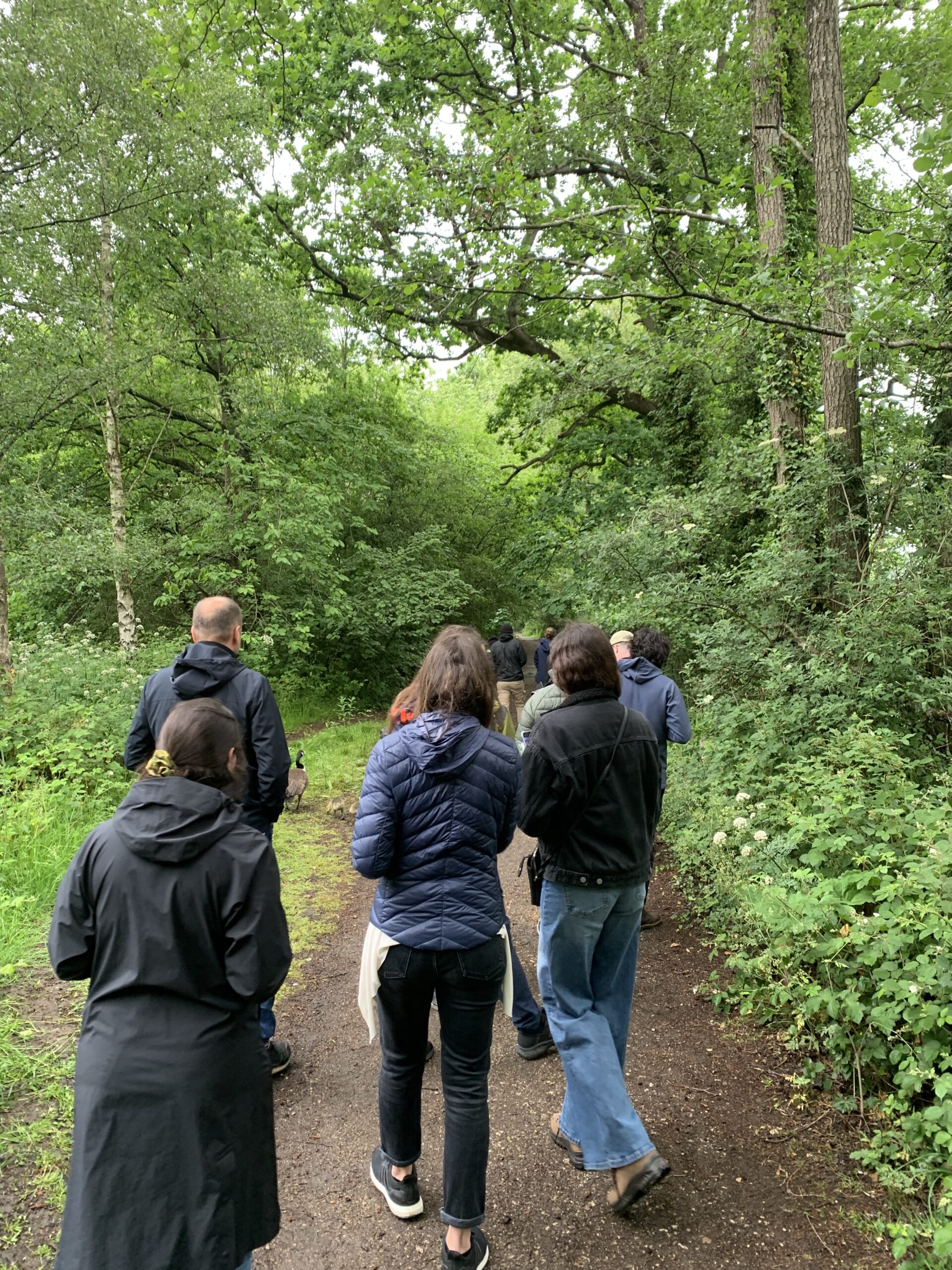
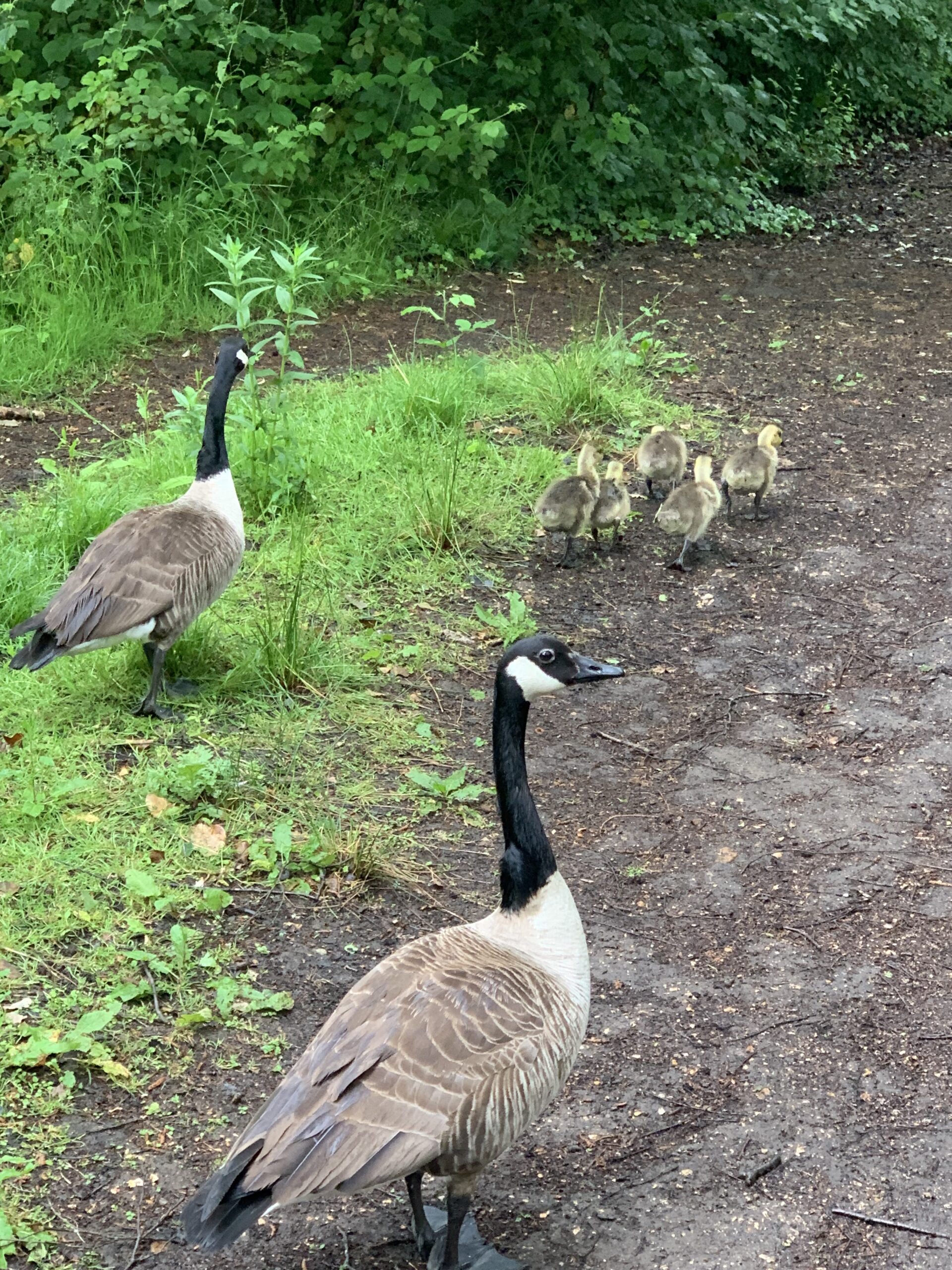
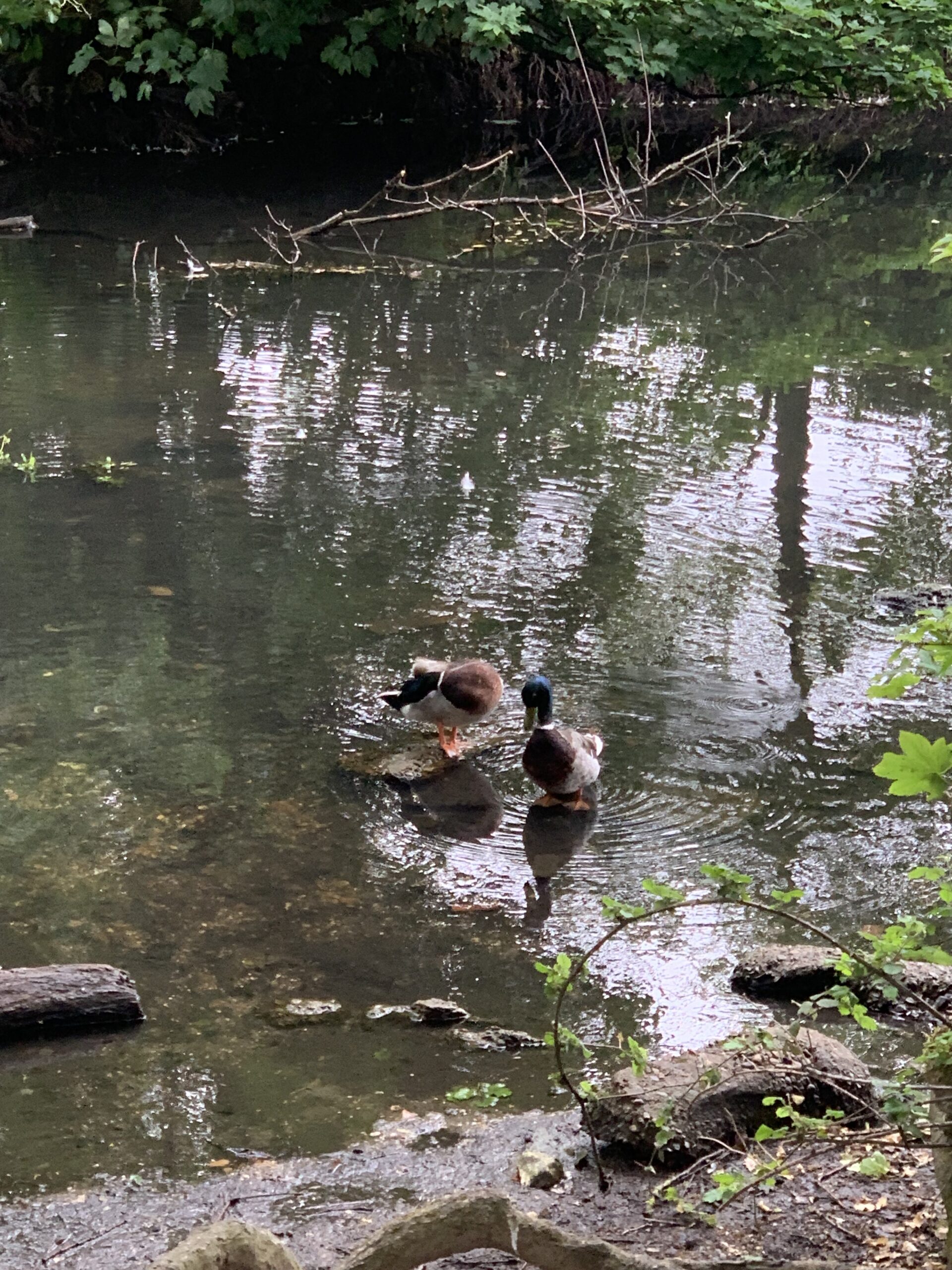
Images 1-3: From left to right, the group on a bird walk around Reading campus, some adorable wildlife, and finally the Mallard Duck (a.k.a. the face of all ducks).
The day ended with a relaxed dinner at the on-campus pub giving everyone a chance to unwind and catch up socially.
Day 2: Feedbacks, Fire Regimes, and Finding Connections
Day two delved deeper into fire-climate feedbacks, fire dynamics and regimes, and fires in Asia. Day two also featured the talks from the S.P.E.C.I.A.L group with Mengmeng Liu giving a talk on studying fire feedbacks using palaeodata, Olivia Haas providing an overview on eco-evolutionary optimality approaches to wildfire modelling, and Connor Mackenzie discussing his findings relating to a comparison between GlobFire and the Fire Atlas.
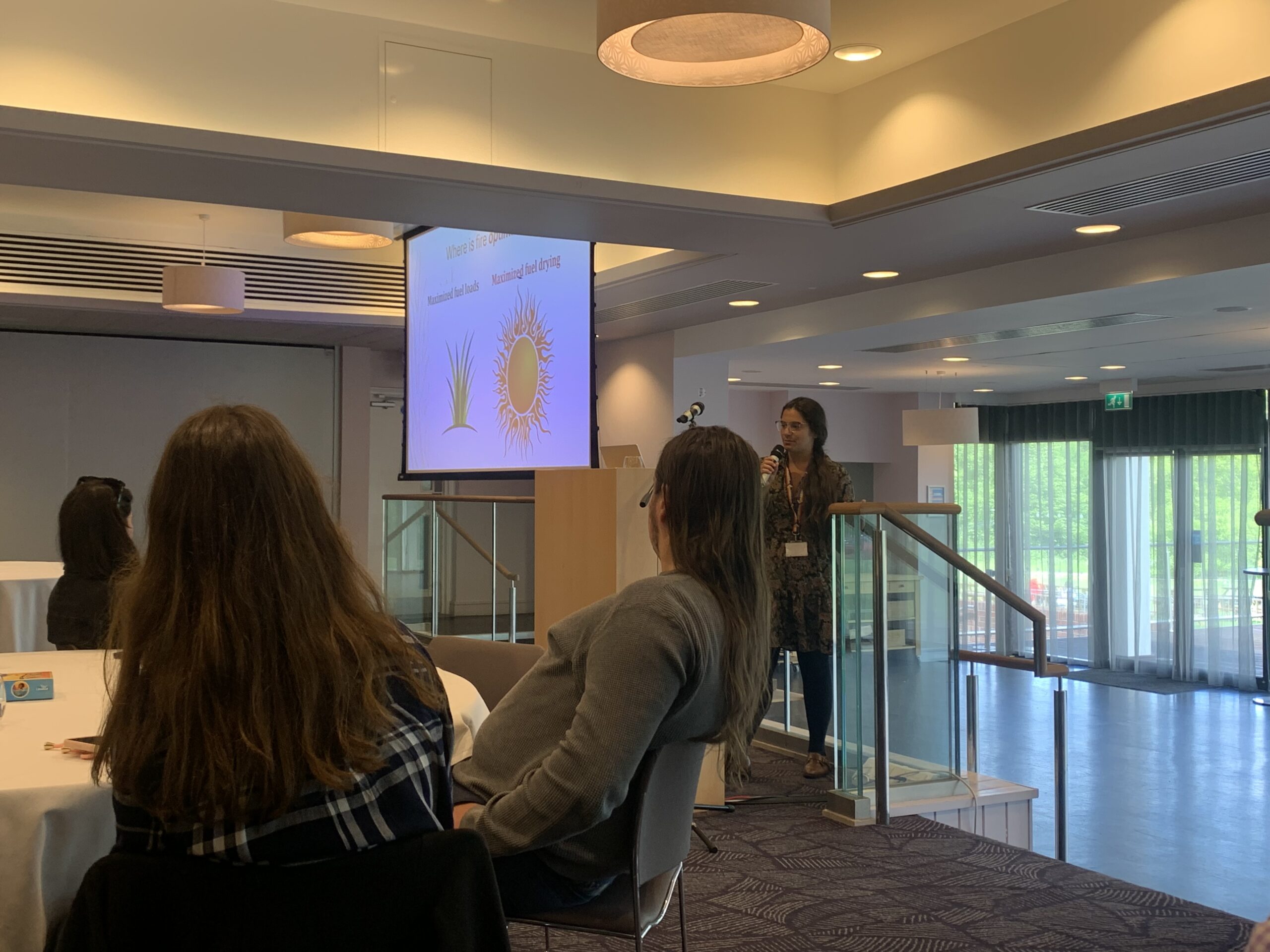
Image 4: Olivia Haas presenting an overview of the eco-evolutionary optimality fire modelling work the Fire-Vegetation Giraffe team has been working on.
Once again, the talks across the day reflected a wide range of methods and scales of inquiry. A real highlight across both days was hearing about the many field- and lab-based studies underway. As a group that often works behind screens and code, it’s always refreshing for S.P.E.C.I.A.L members to see research grounded in direct engagement with landscapes and communities.
The interactive session of the day was a reflective discussion led by Adriana, where we each explored how we personally identify with fire. This created a meaningful space for connection and self-reflection and helped a narrative element into the room.
Looking Ahead
All in all, the 2025 Spring Symposium was a resounding success, combining robust academic exchange with a welcoming and collaborative atmosphere. We’re already looking forward to the next research challenges workshop and continuing to grow these vital conversations around fire, climate, and society.