Skip to content
University of Reading logo
  • Home
  • Meet the team
  • SPECIAL Blog
  • Projects
  • Resources
    • BIOME 6000
    • China plant trait database
    • EMBSeCBIO
    • Fossil pollen data from El Cañizar de Villarquemado
    • Multi-variable LGM benchmark dataset
    • PMIP2 diagnostic – MH precip over Northern Africa
    • SISAL database
    • SMPDS
    • The climatic space of European pollen taxa
    • SPECIAL EPD
  • Our Publications
  • Work With Us

publication

Filter:

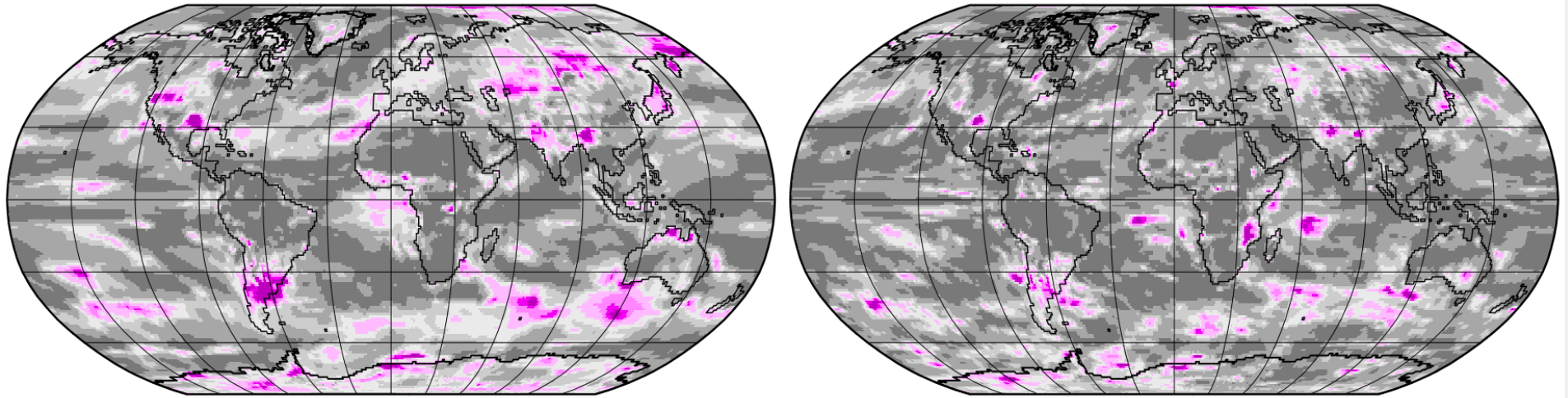
Brierley et al. “Large-scale features and evaluation of the PMIP4-CMIP6 midHolocene simulations” now available in CoP Discussions by Sandy P. Harrison

Posted on
21st January 2020

There was a flurry of PMIP-related activity over the Christmas and New Year “holidays” because of the need to get papers describing experimental results that are going to be cited…Read More >

Brierley et al. “Large-scale features and evaluation of the PMIP4-CMIP6 midHolocene simulations” now available in CoP Discussions by Sandy P. Harrison

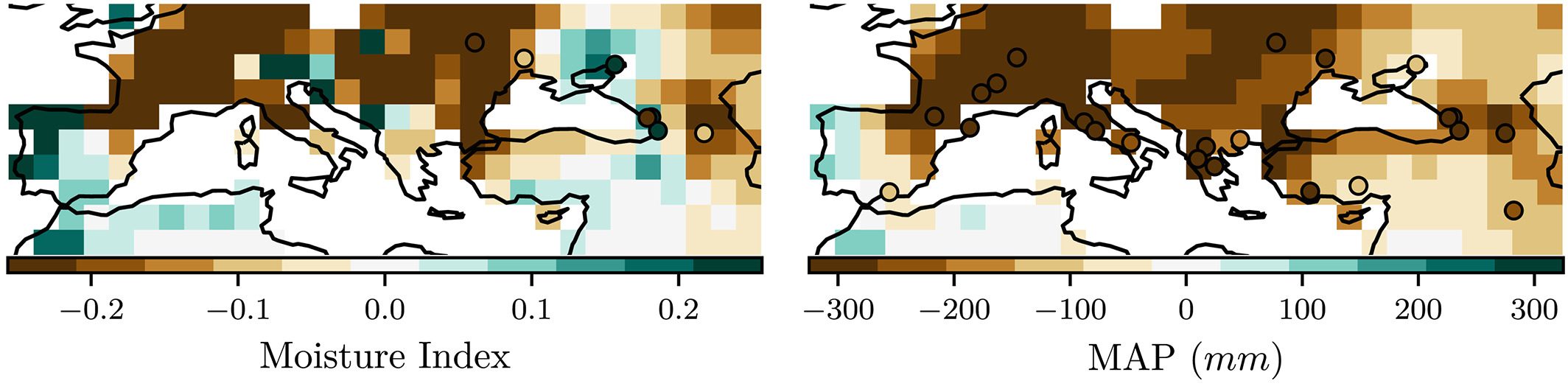
A Method for Generating Coherent Spatially Explicit Maps of Seasonal Paleoclimates From Site‐Based Reconstructions by Sandy P. Harrison

Posted on
16th January 202016th January 2020

The good news this morning is that Sean’s paper describing the new method he’s developed to reconstruct palaeoclimate using data assimilation techniques has been published (open access, of course) In…Read More >
A Method for Generating Coherent Spatially Explicit Maps of Seasonal Paleoclimates From Site‐Based Reconstructions by Sandy P. Harrison

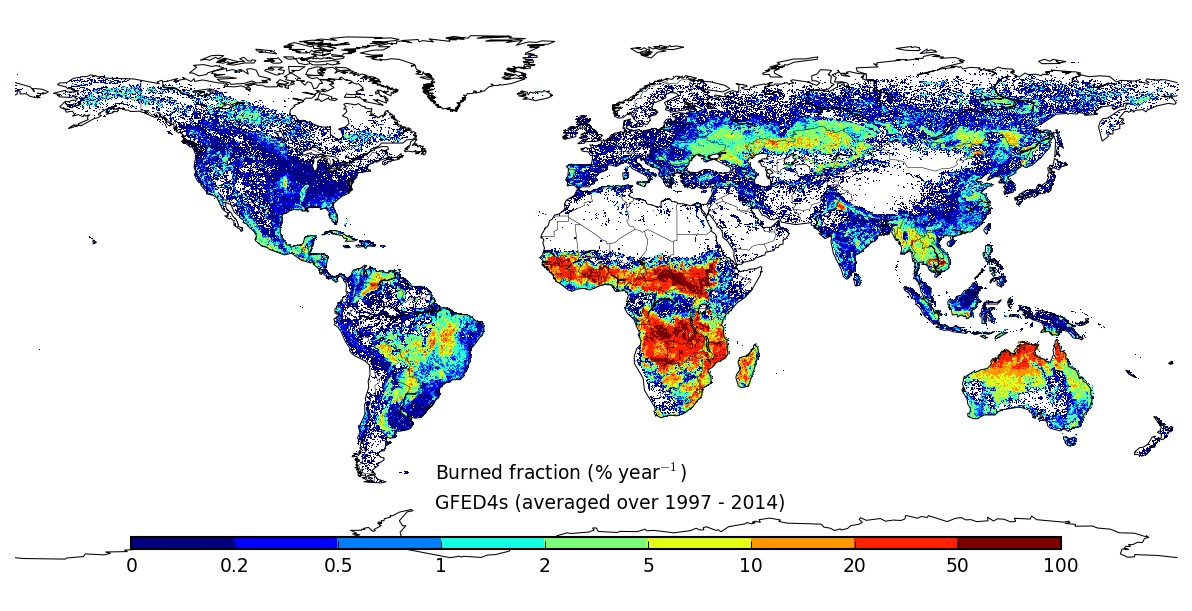
Recent global and regional trends in Wildfire behaviour. By Sandy Harrison

Posted on
9th July 2019

In 2017, Andela et al. (Science) indicated that there had been a global decline in burnt are over the last two decades and specifically attributed this to anthropogenic activities. Furthermore,…Read More >
Recent global and regional trends in Wildfire behaviour. By Sandy Harrison

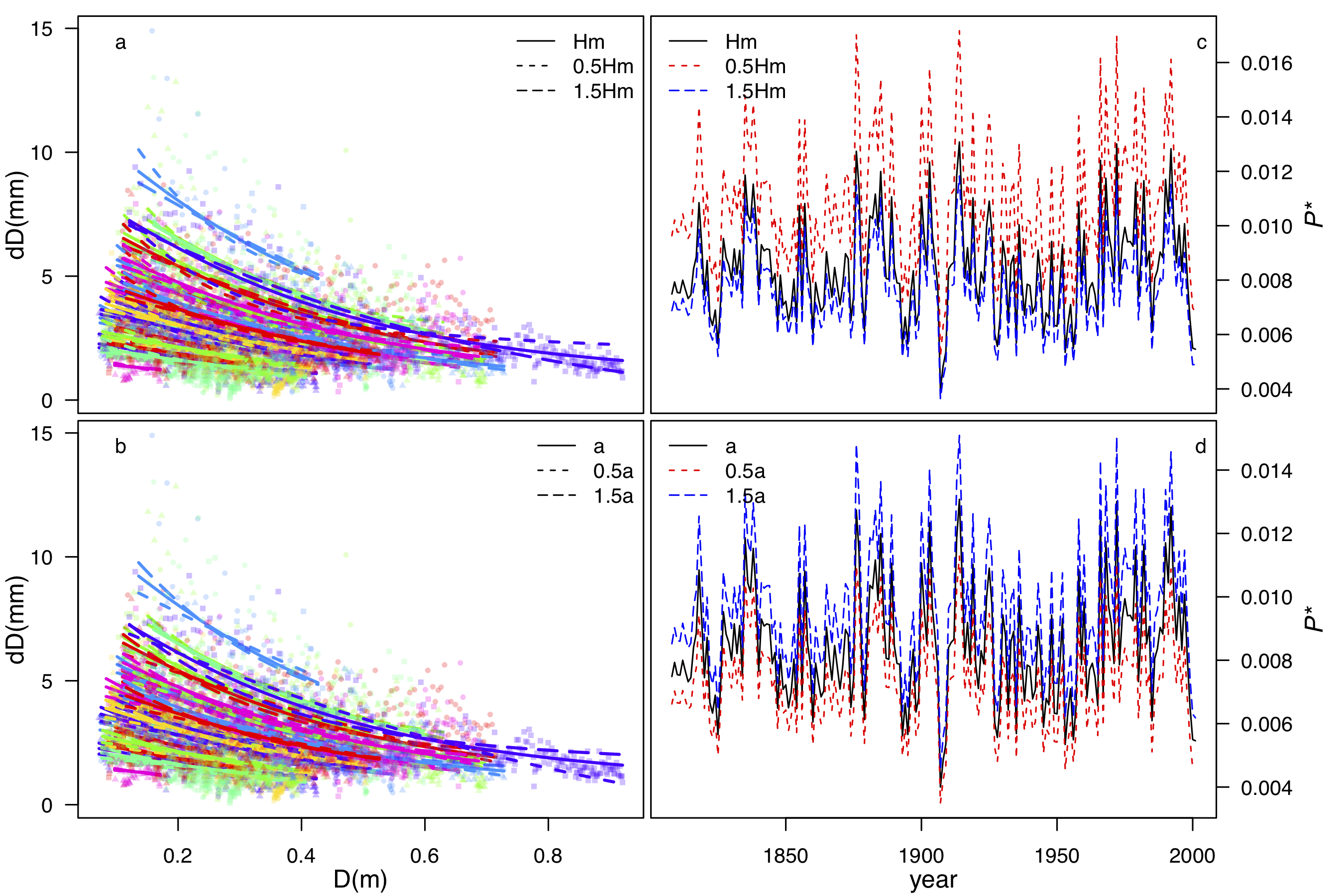
New theoretic-based approach of quantifying climatic influences on tree-ring width. By Guangqi Li

Posted on
22nd March 2019

The narrow-wide pattern of tree-ring width records past climate change, which makes tree-ring width a major archive for the palaeo climate reconstruction, especially for the last millennium. To use tree-ring…Read More >
New theoretic-based approach of quantifying climatic influences on tree-ring width. By Guangqi Li

FireMIP Sensitivity Experiments. By Sandy Harrison

Posted on
18th March 201926th March 2019

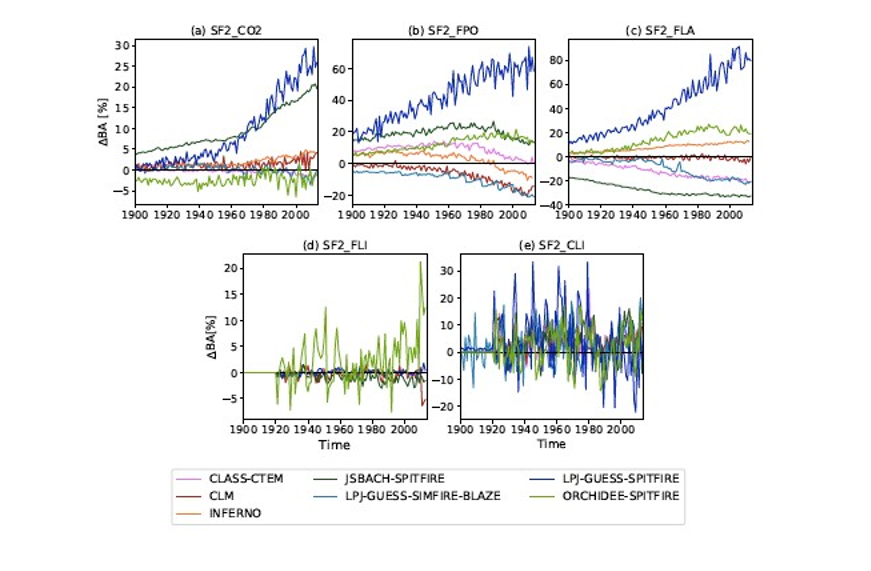
It is very exciting to see that the FireMIP paper on the sensitivity of burnt area to environmental and anthropogenic controls, led by Lina Teckentrup, is now out in Biogeosciences…Read More >
FireMIP Sensitivity Experiments. By Sandy Harrison

Evaluating model outputs using integrated global speleothem records of climate change. By Laia Comas Bru

Posted on
11th March 201911th March 2019

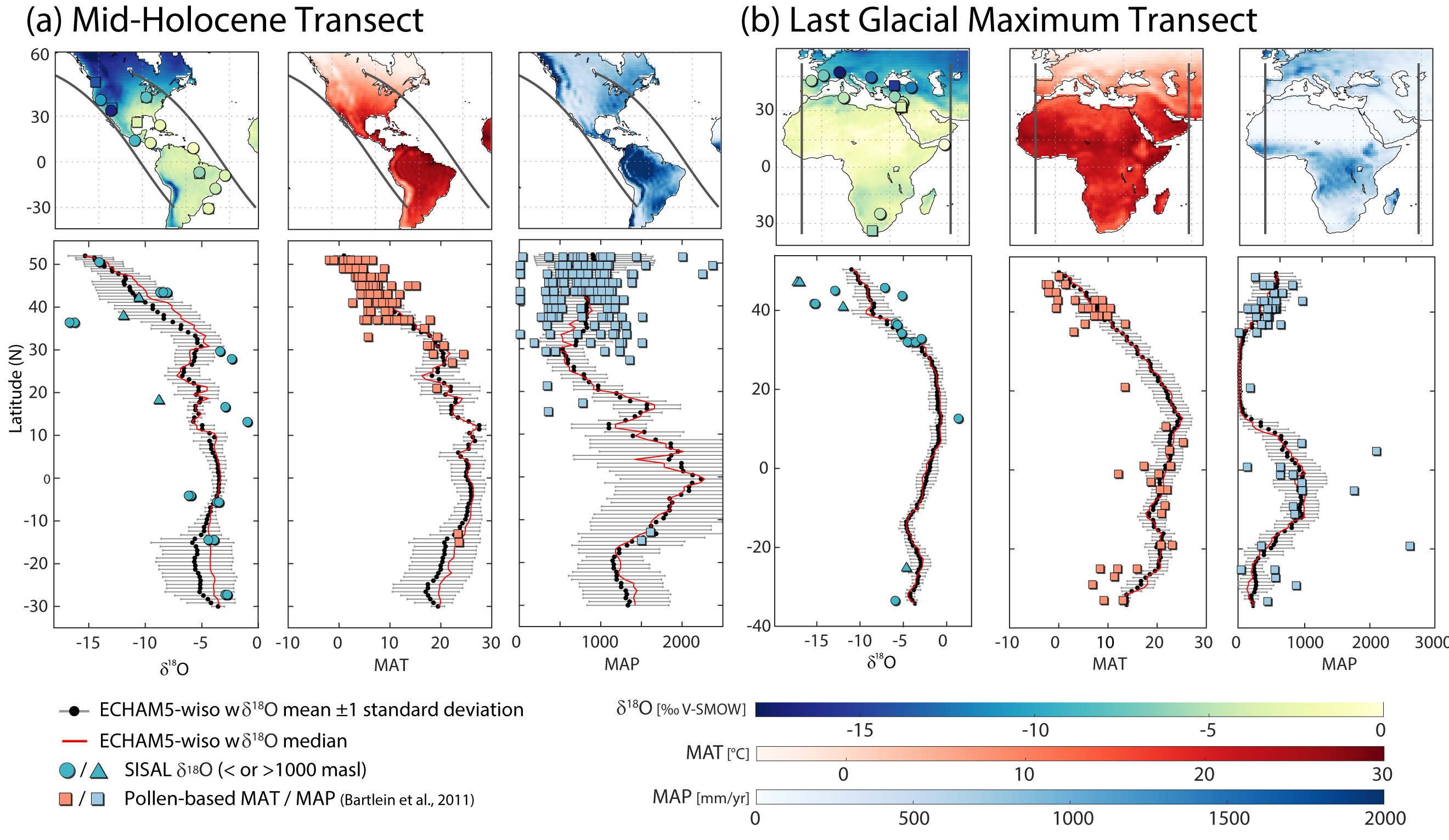
Although quantitative isotopic data from speleothems has been used to evaluate isotope-enabled model simulations in the past, currently no consensus exists regarding the most appropriate methodology through which achieve this….Read More >
Evaluating model outputs using integrated global speleothem records of climate change. By Laia Comas Bru

SISAL: Bringing Added Value to Speleothem Research. By Laia Comas Bru

Posted on
21st February 201911th March 2019

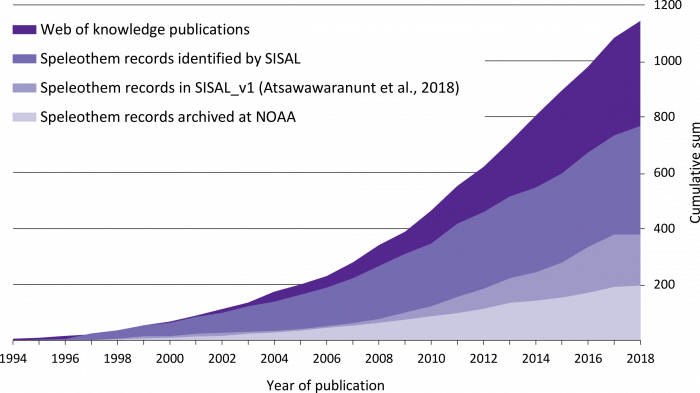
The introductory paper of the SISAL’s Special Issue in the open-access journal “Quaternary”, edited by Sandy Harrison and myself, is now published: https://www.mdpi.com/2571-550X/2/1/7. In this editorial paper, we discuss some…Read More >
SISAL: Bringing Added Value to Speleothem Research. By Laia Comas Bru

How does climate change in semi-arid Spain from 130,000 years ago? By Dongyang Wei

Posted on
18th February 201911th March 2019

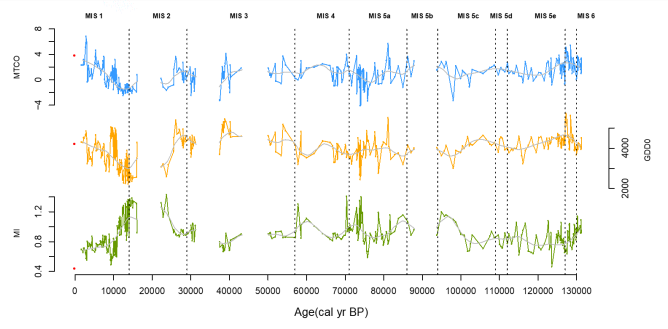
Our paper “Climate changes in interior semi-arid Spain from the last interglacial to the late Holocene” is now online in Climate of the Past Discussions (https://www.clim-past-discuss.net/cp-2019-16/). In this paper, we…Read More >
How does climate change in semi-arid Spain from 130,000 years ago? By Dongyang Wei

Four in one blow. By Sandy Harrison

Posted on
1st February 201911th March 2019

I feel like the tailor in Grimm’s Das tapfere Schneiderlein today, with four papers being submitted in one day. Dongyang’s persistence on getting the Villarquemado climate reconstruction paper submitted before…Read More >

Four in one blow. By Sandy Harrison

What do speleothems in Western Europe record? By Laia Comas Bru

Posted on
14th December 201821st August 2019

Our paper “The Potential of Speleothems from Western Europe as Recorders of Regional Climate: A Critical Assessment of the SISAL Database” is now on-line in Quaternary. This is a contribution…Read More >
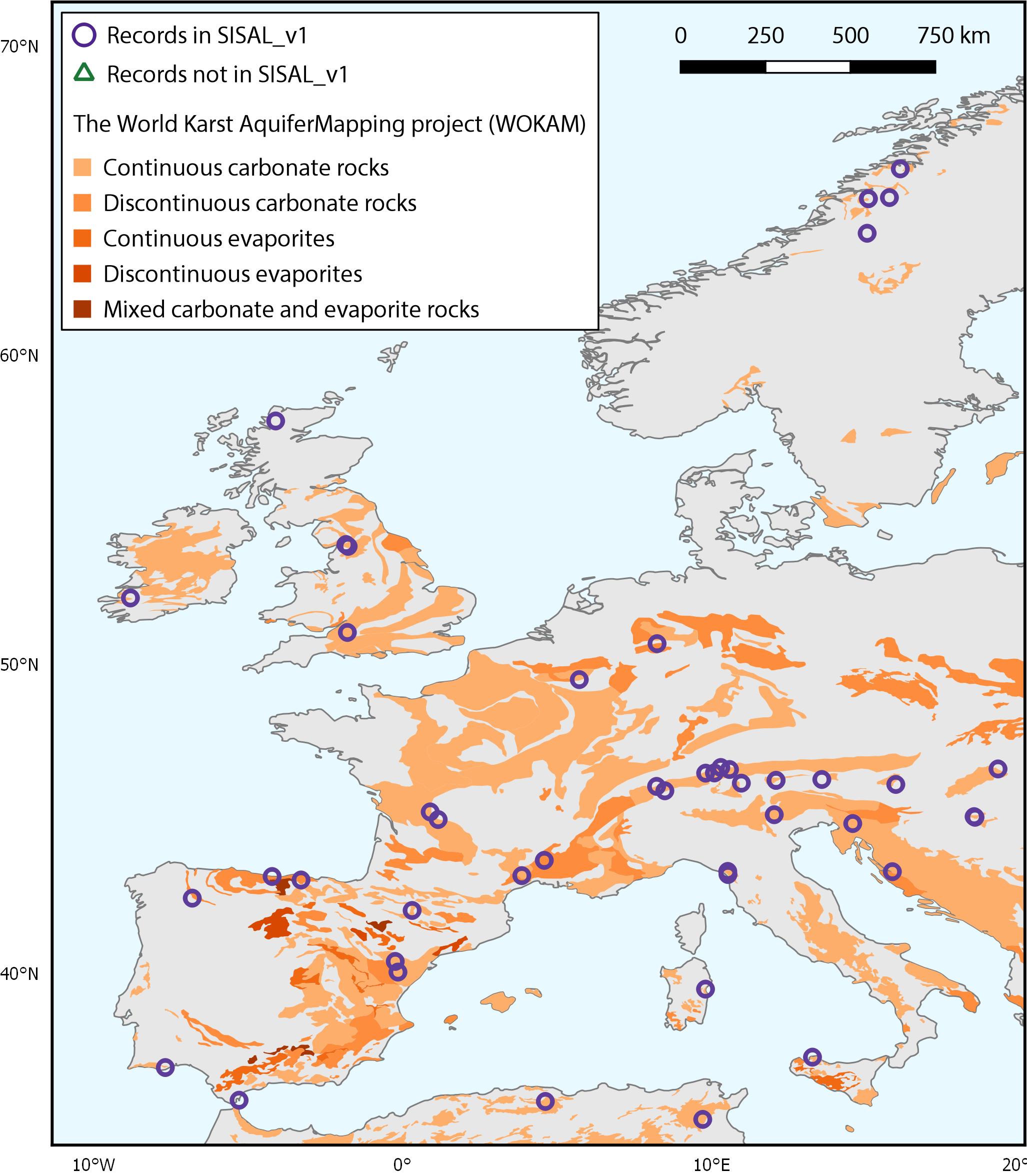
What do speleothems in Western Europe record? By Laia Comas Bru

Posts navigation

Older posts
Newer posts

Contact: Prof. Sandy Harrison

s.p.harrison@reading.ac.uk

or

s.l.cain@reading.ac.uk

 _______________________________________
         .
SPECIAL logo kindly provided by Oriol Comas Bru

Tags

benchmarking biome reconstruction China Plant Trait Database climate climate reconstruction CMIP6 conference data-assimilation database early career ecology EGU EMBSeCBIO Environment and Society fire FireMIP fire modelling fire regime furnaces LandCover6k leaf morphology Leverhulme Centre for Wildfires model comparison model evaluation Partner institutions photosynthesis plant behaviour plant traits PMIP pollen pollen data predictive model publication REALM resources SISAL SPECIAL speleothem team members vegetation vegetation model vegetation reconstruction Wildfire work in progress workshop
© Copyright University of Reading
Facebook YouTube Instagram Twitter

University of Reading cookie policy

We use cookies on reading.ac.uk to improve your experience. You can find out more about our cookie policy.
By continuing to use our site you accept these terms, and are happy for us to use cookies to improve your browsing experience.

Continue using this website