
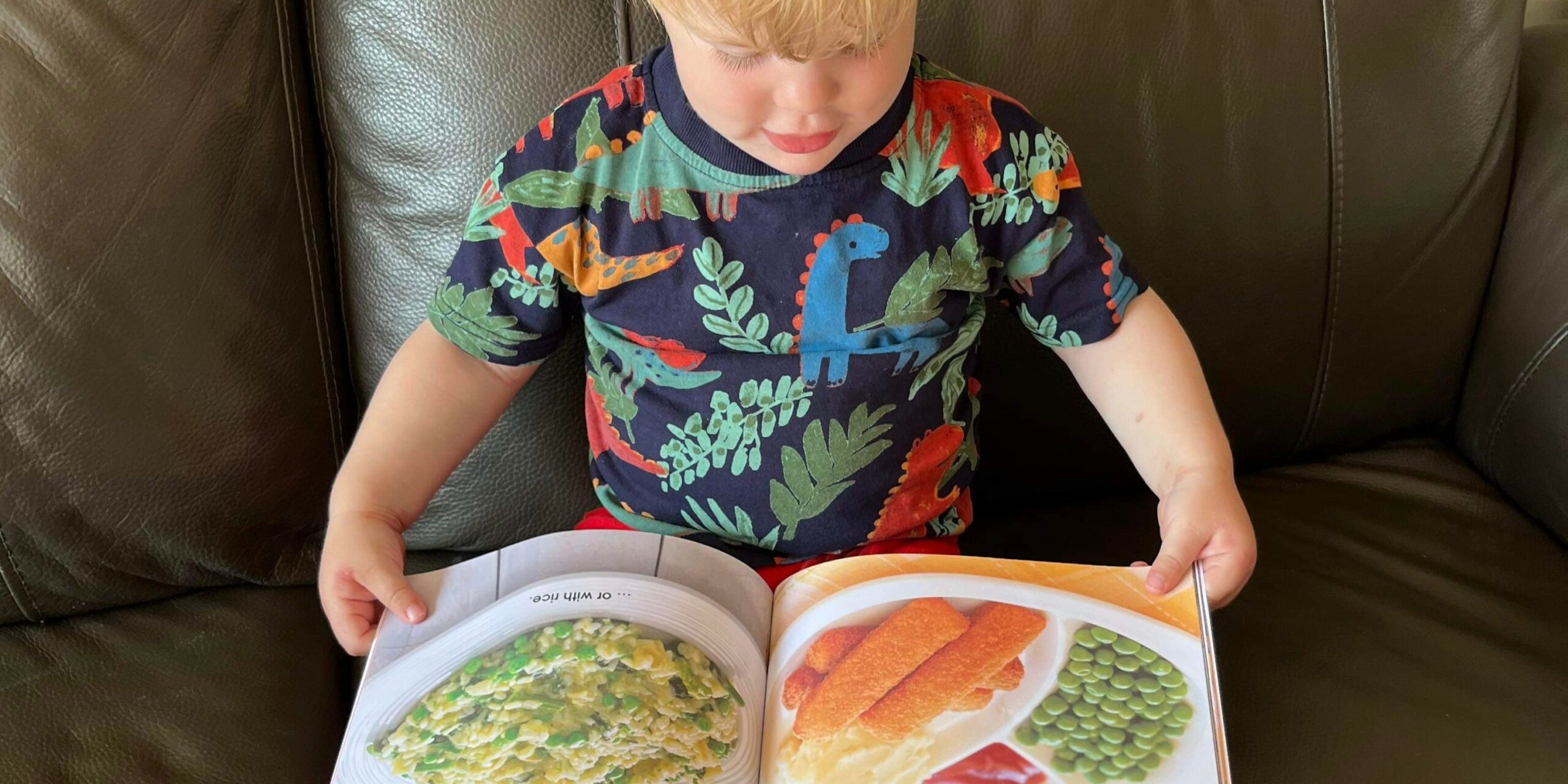
Researchers at the University of Reading, led by Professor Carmel Houston-Price, are exploring how visual familiarity can encourage young children to eat more vegetables. Through picture books, eBooks and hands-on activities, the SEE & EAT project helps pre-schoolers recognise vegetables and understand where they come from. This approach reduces food fussiness and makes children more willing to try new foods, supporting healthier eating habits during early childhood.
Many parents struggle to encourage young children to eat a variety of vegetables. Food neophobia – children’s natural reluctance to try new foods – can make it difficult to establish healthy eating habits, and vegetables that children have not tried before are particularly likely to be refused.
Researchers at Reading, led by Professor Carmel Houston-Price, conducted research to better understand this issue – work that became the foundation of the SEE & EAT project. Early studies examined whether repeated exposure to images of fruits and vegetables changed children’s behaviour towards them. The team found that reading a picture book about a vegetable every day for two weeks significantly increased children’s readiness to taste – and often consume – that vegetable, with the strongest effects seen for foods that were previously unfamiliar.
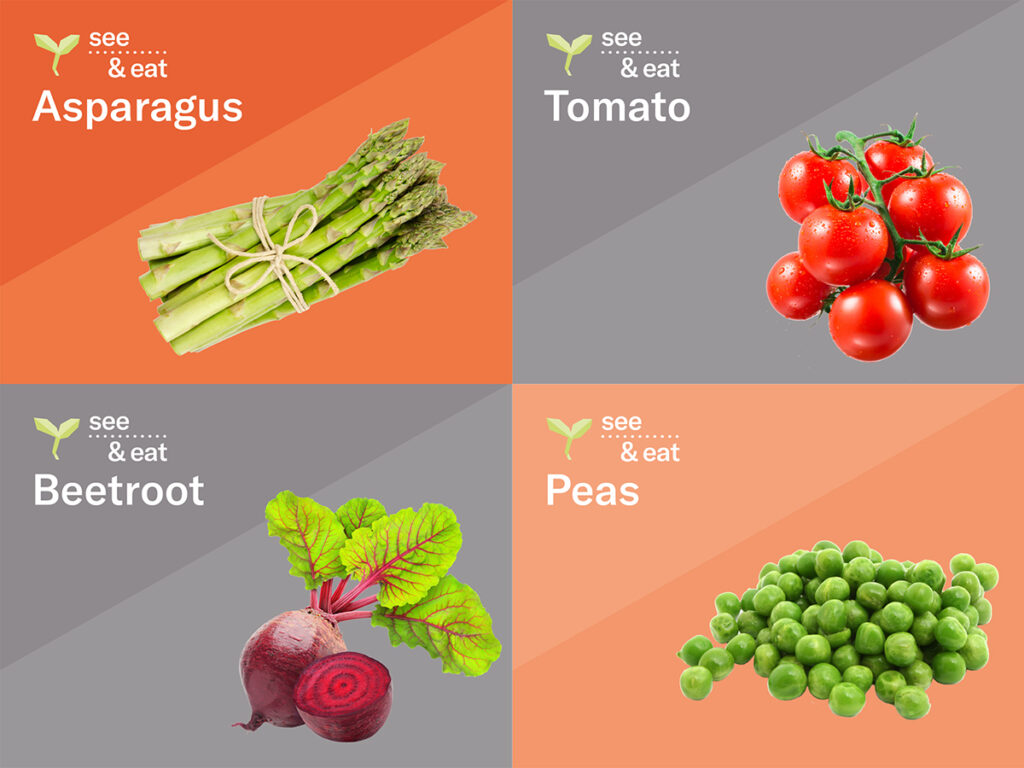
Building on this evidence, the SEE & EAT project developed a suite of engaging resources designed to help children learn about vegetables before they appear on the plate. The team created printed books, eBooks and interactive activities that follow vegetables on their journey “from farm to fork”, helping children recognise foods in different contexts and understand where they come from. Featuring vegetables from asparagus and artichoke to sweetcorn and spinach, the materials aim to make healthy foods more appealing and acceptable to pre-schoolers.
Over the years, the project has grown through collaborations with partners at universities across UK and Europe, book publishers, nutritionists, the British Nutrition Foundation and British Science Association, supported by funding from EIT Food and the University of Reading’s Institute of Food Nutrition & Health. Together, these partnerships have enabled SEE & EAT resources to be developed, tested and shared widely with families and early years educators, offering a practical, evidence-based approach to improving children’s diets and building healthier eating habits from an early age.
Now, in 2026, the team is delving deeper into why familiarity-based approaches work so well. Current research is exploring whether the benefits arise from children becoming more familiar with how vegetables look – from learning about where vegetables come from; from forming positive associations during shared activities; or from changes in how parents talk about and offer vegetables at home.
Published March 2026
Meet the project lead
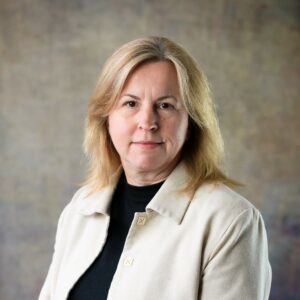 SEE & EAT is led by Professor Carmel Houston-Price, a developmental psychologist at the University of Reading whose research focuses on early childhood eating behaviour, food familiarity and sensory learning.