
Careful sorting and analysis of mammal fossils from a rare cave system have given University of Reading and Natural History Museum (NHM) scientists the opportunity to fill in missing gaps in the British fossil record.
Beneath Somerset’s rolling Mendip Hills lies Westbury Cave, a treasure trove of important animal fossils and bone fragments spanning ages from approximately 500,000 years ago to over 1 million years ago – including specimens that could fill in crucial gaps in the fossil record.
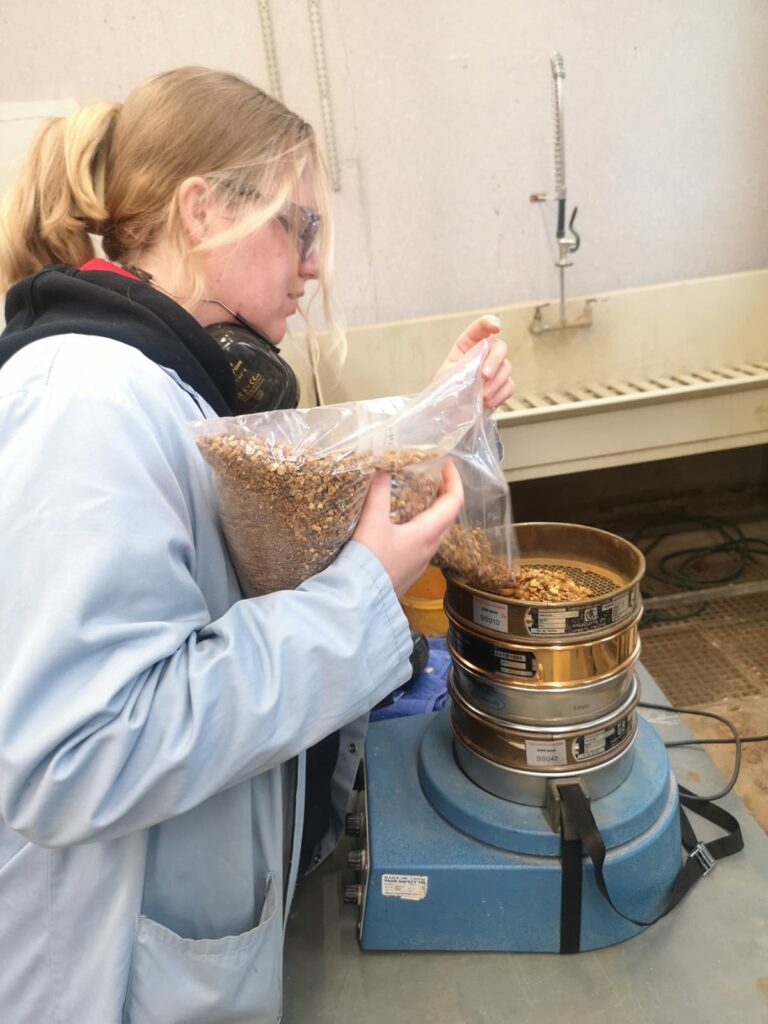
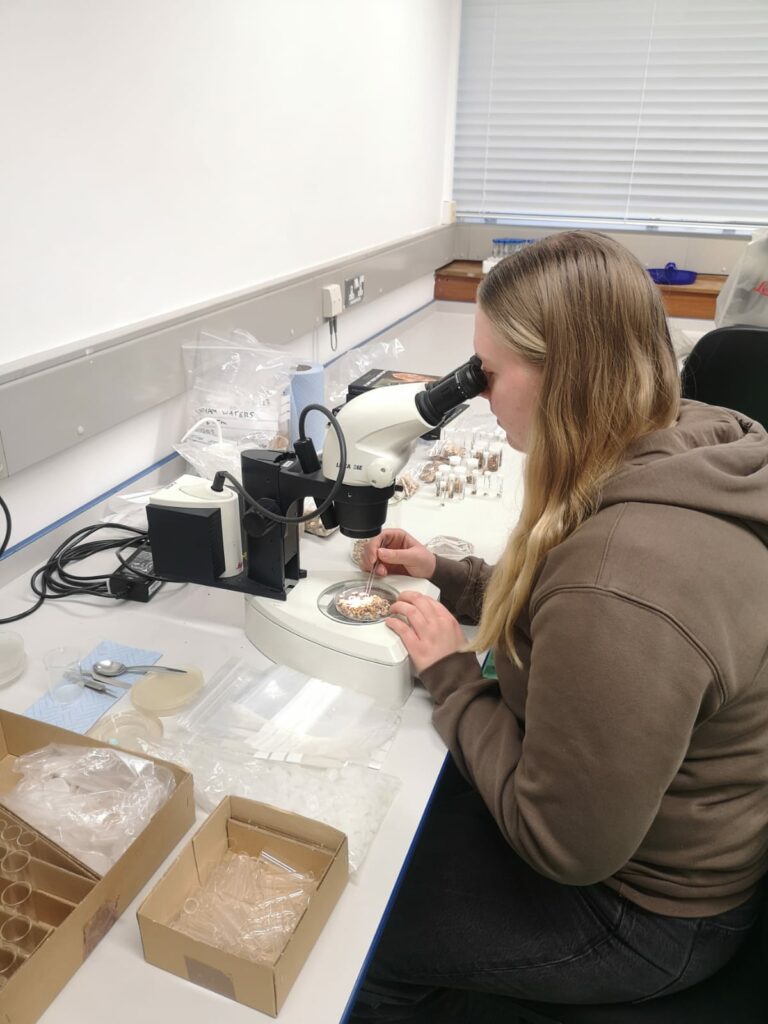
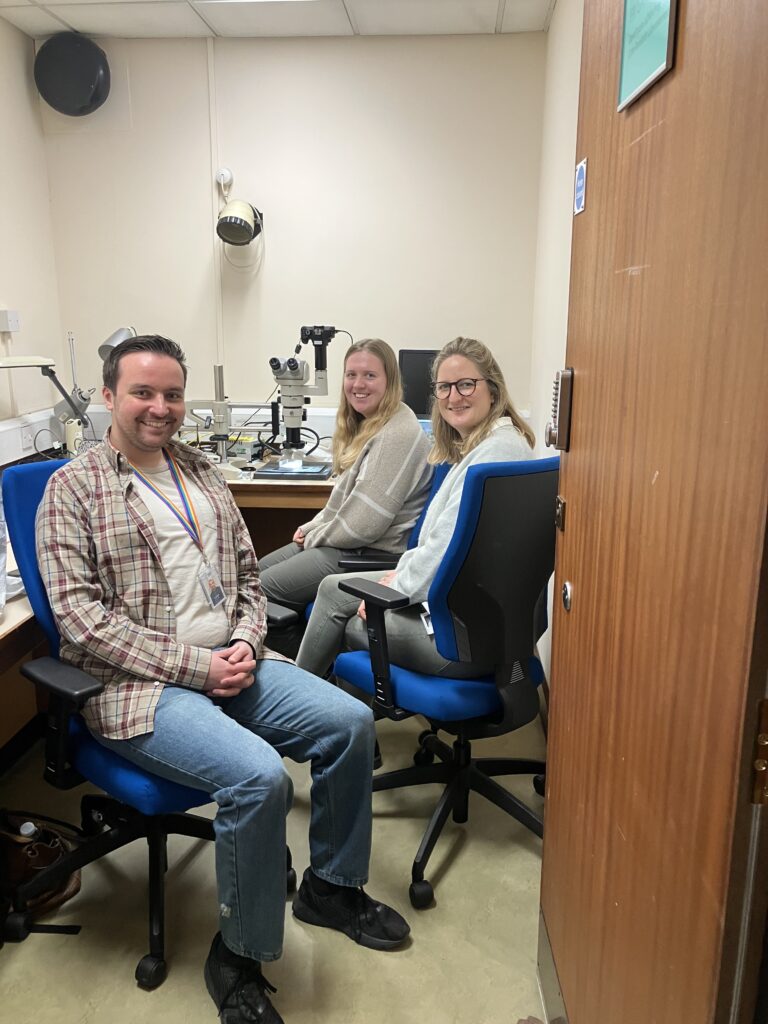
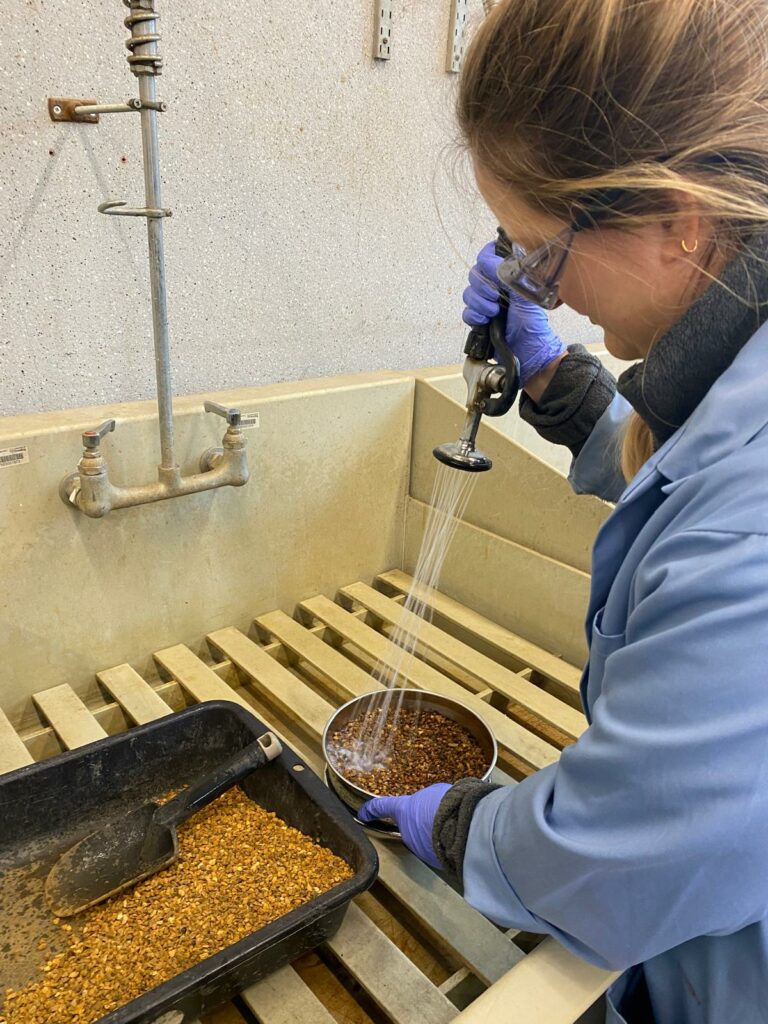
In 2024, Neil Adams (Curator of Fossil Mammals at NHM) and Juliette Kent, Hester Crothers and Rob Batchelor of the University’s Quaternary Scientific (QUEST) labs set out to process 78kg of samples collected in the field. Kent, a professional placement student with QUEST, received training and support from both NHM and University of Reading to develop her practical skills and knowledge in identifying and analysing these fossils.
Among the samples were rare ‘star specimens’ of an extinct grassland vole (Allophaiomys) which are only the third and fourth examples of the genus found across all of Britain, as well as rare molar teeth of an archaic water vole named Mimomys.
These specimens may help scientists to more accurately date this and other UK cave sites through biochronology and understanding more about how these mammal species adapted to climate changes.
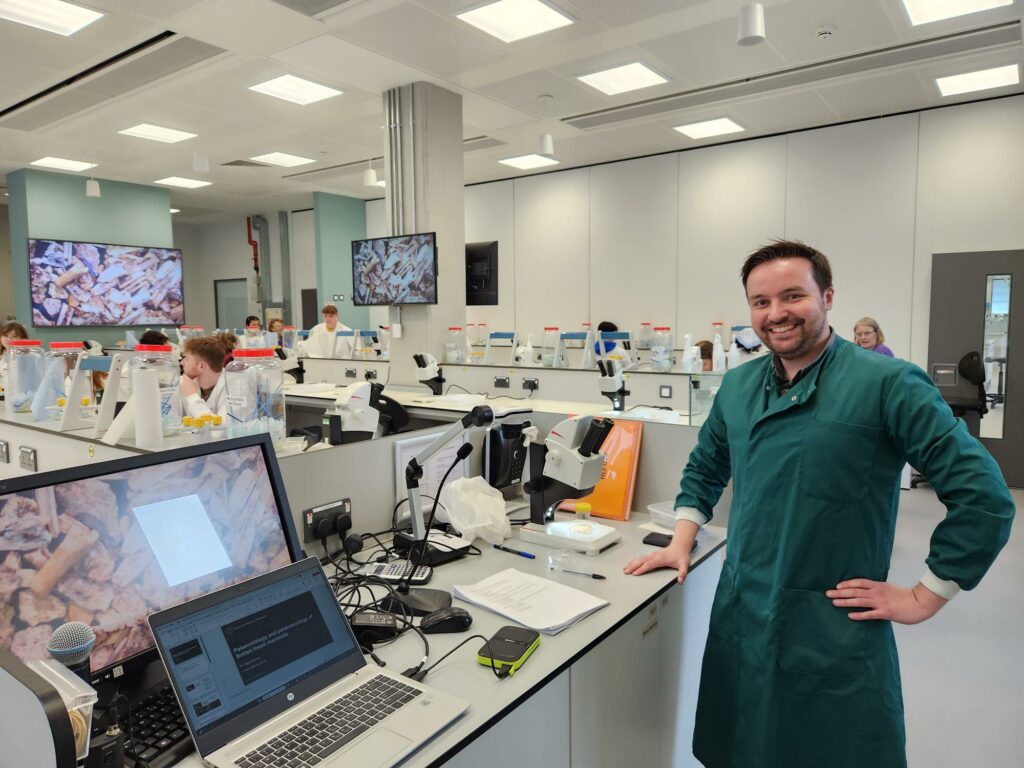
One key outcome of this study was the development of an undergraduate practical class that formed part of the second-year module in Palaeobiology, providing valuable experience for students and enabling up to 150 hours of additional residue sorting.
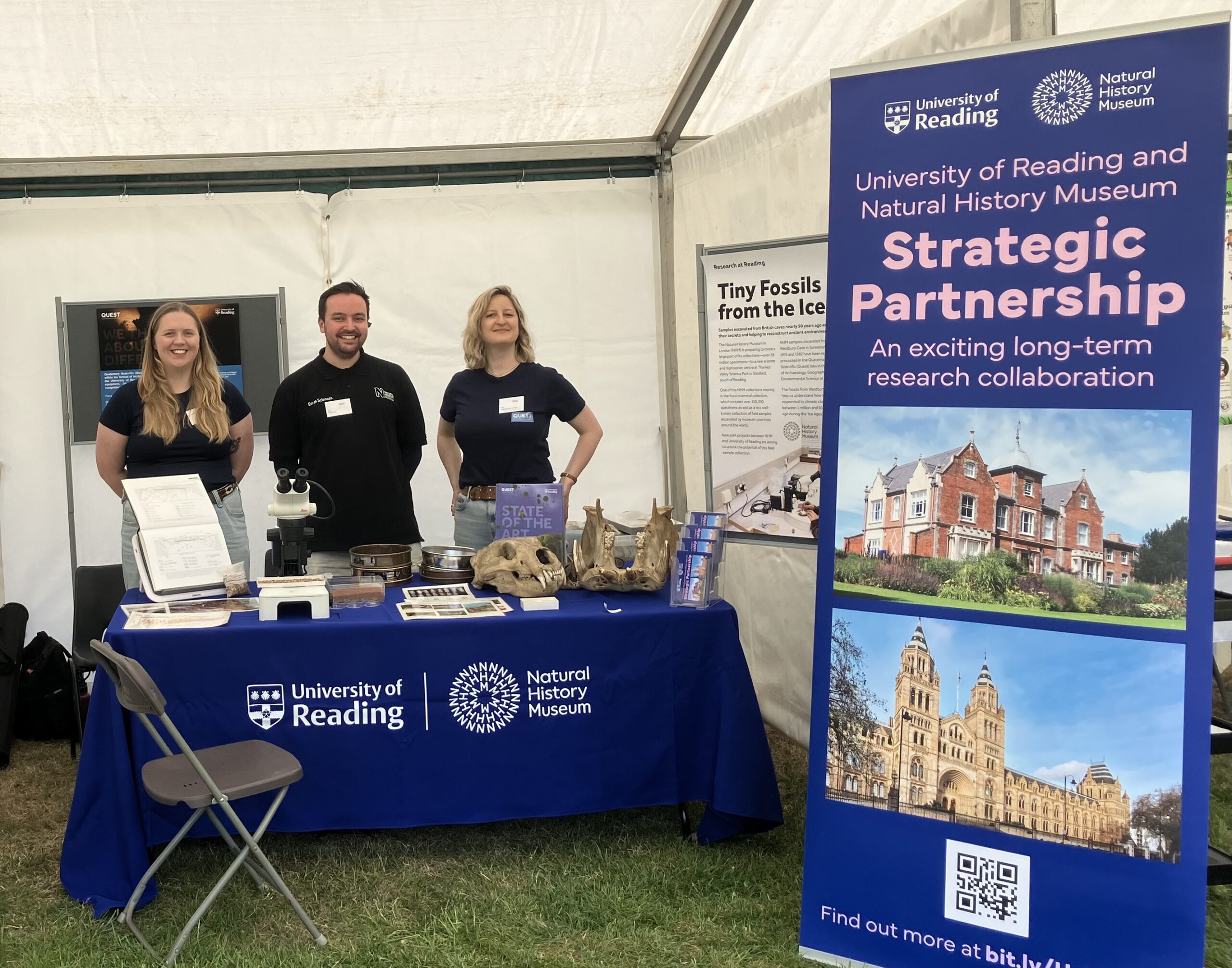
At the University’s Community Festival 2025, the project team was present with an interactive activity that let visitors try out sifting through sediments to uncover the ancient remains within. The stand proved hugely popular and offered plenty of inspiration for the next generation of paleobiologists.
Published September 2025