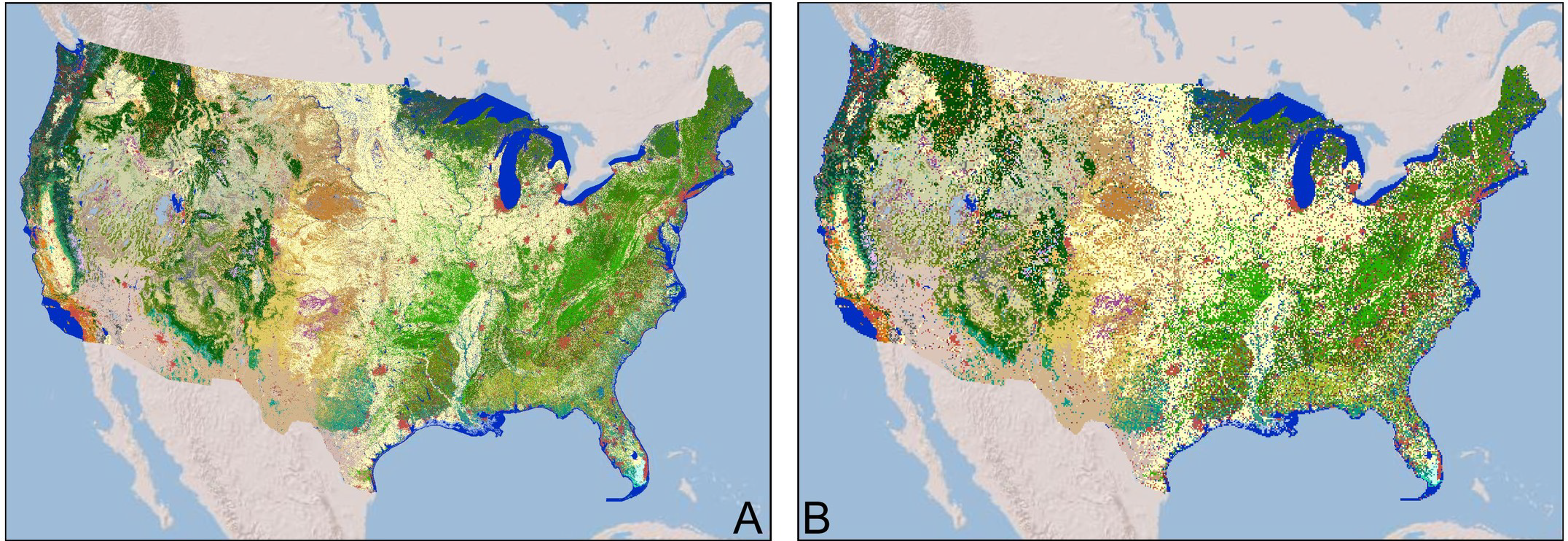
The three day FURNACES annual meeting was held from 24th to 26th November. Due to the new COVID restrictions in Germany and Austria, the meeting was held only in virtual…Read More >
SPECIAL Blog
Blog of the SPECIAL team members
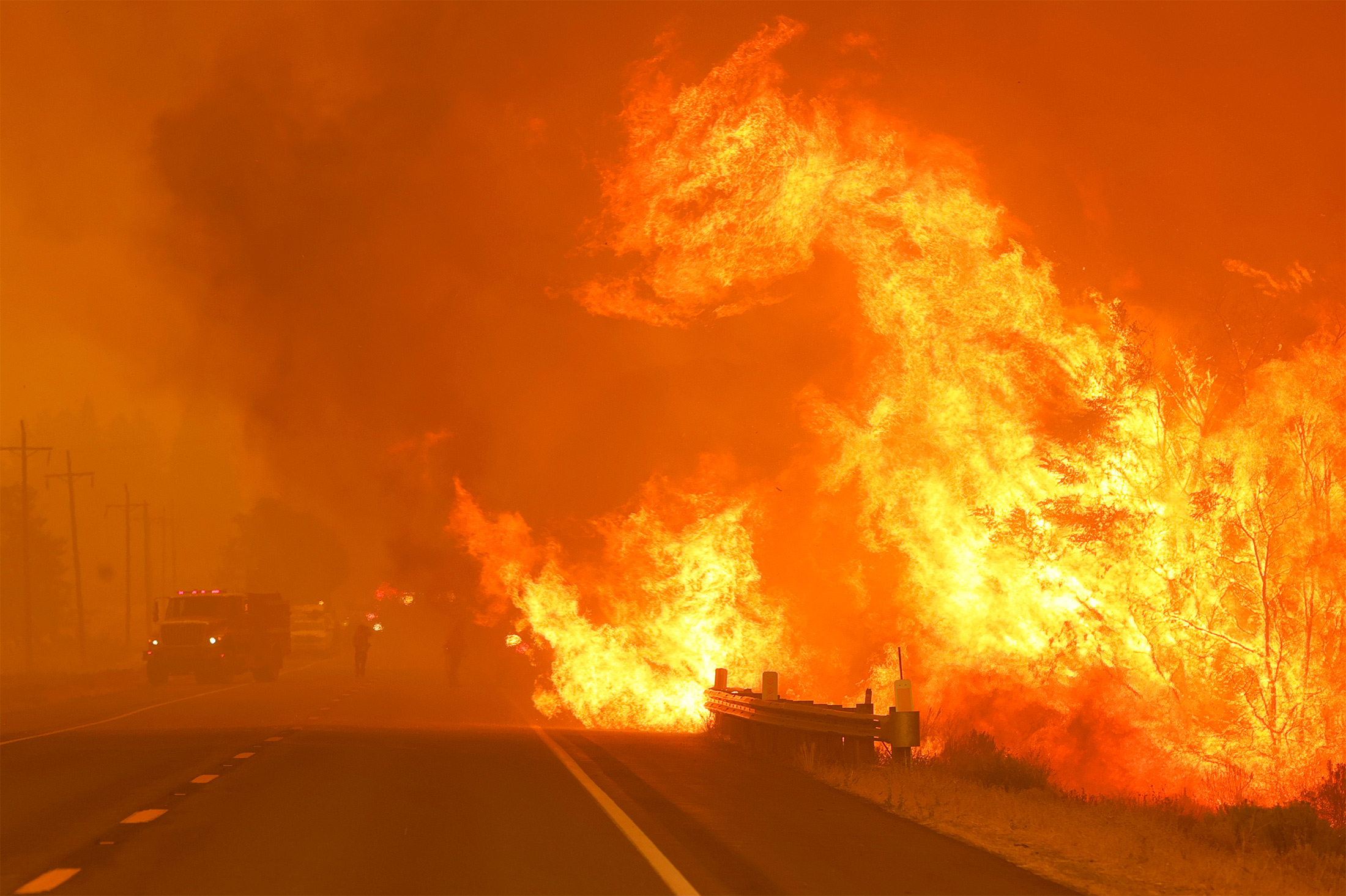
One more successful attempt for developing more robust model based on Eco-Evolutionary Optimality (EEO) concepts by Shengchao Qiao
Global food security is an ongoing challenge for humanity owing to the continuous growth of global population. Meanwhile, assessment of global food security contributes to the sustainable development goal of…Read More >
SPECIAL at the EAA Annual Meeting 2021 by Luke Sweeney
From the 6th to 11th of September, Sandy and I attended the 27th Annual Meeting of the European Association of Archaeologists “in” Kiel. As is the unfortunate norm of scientific…Read More >

Coordination of plant hydraulic and photosynthetic traits: confronting optimality theory with field measurements by Huiying Xu
I have been interested in plant hydraulics since I was an undergraduate. After I joined LPICEA at Tsinghua University, my supervisor Han Wang gave me the chance to learn about…Read More >

The application of eco-evolutionary optimality to develop robust models of plant behaviour. A new publication from the LEMONTREE Project by Sandy Harrison
The LEMONTREE (Land Ecosystem Models based On New Theory, obseRvations and ExperimEnts) project is currently developing a next-generation model of the terrestrial biosphere and its interactions with the carbon cycle,…Read More >
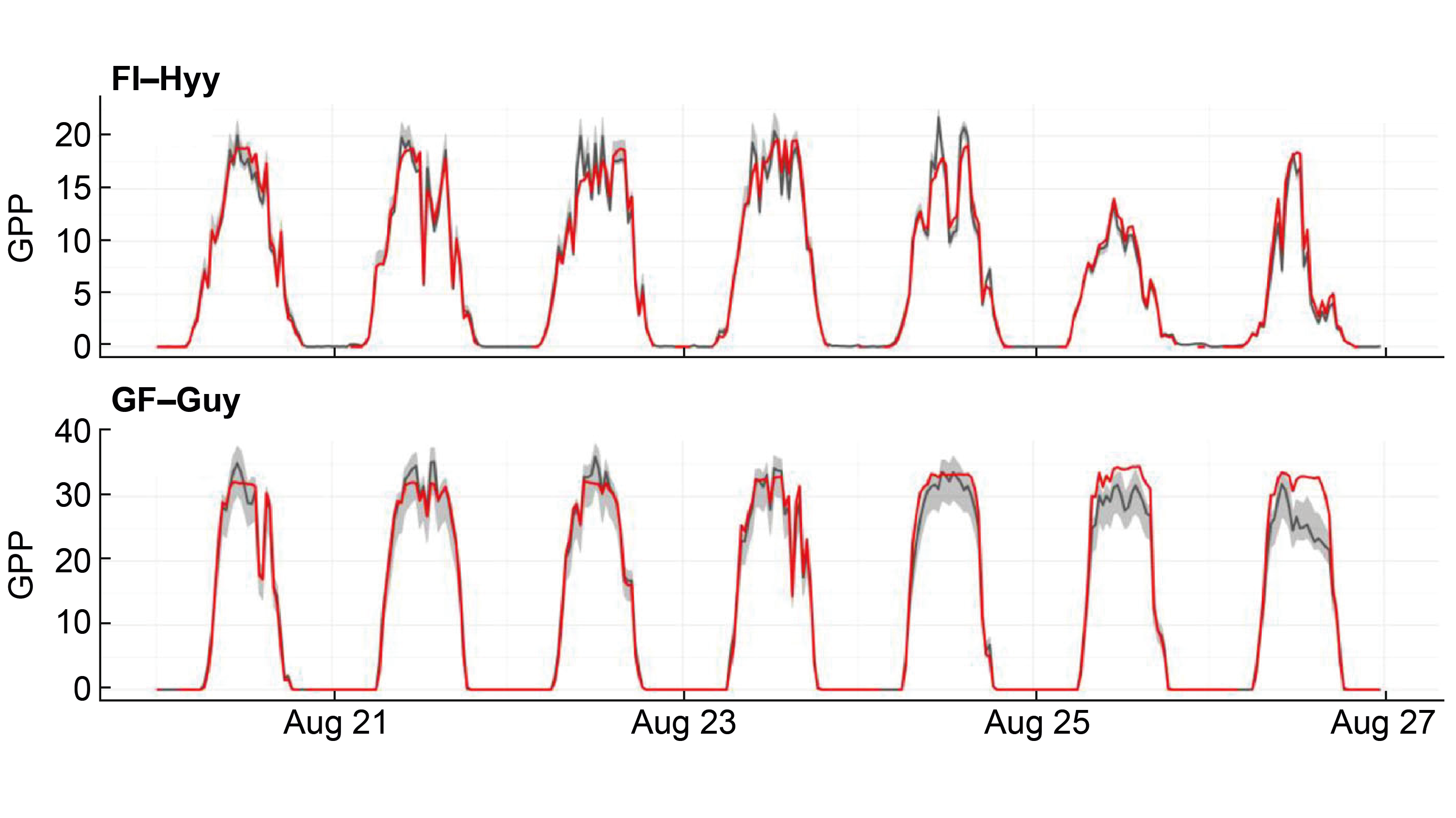
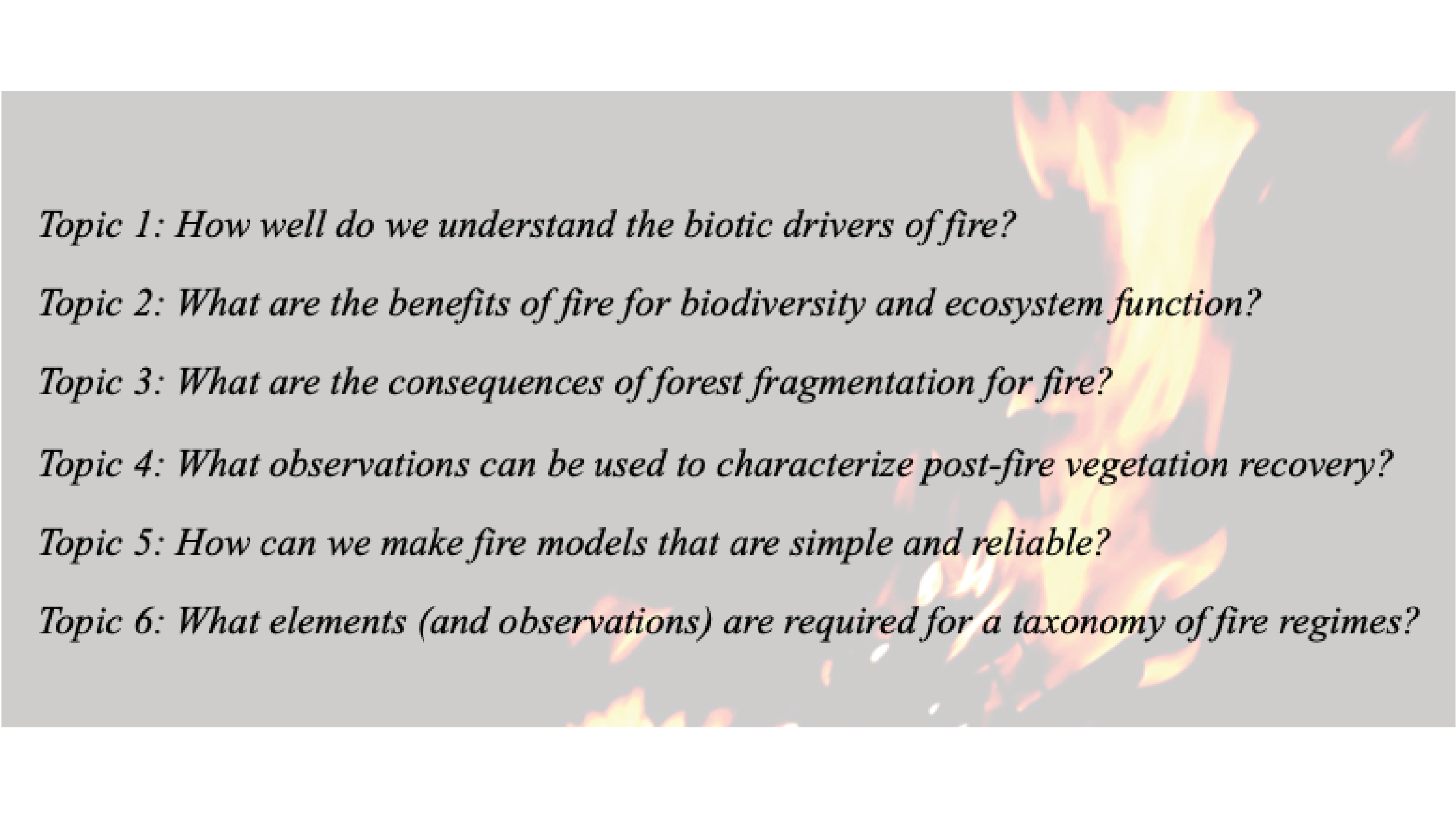
Workshop of New Directions in Fire Ecology and Fire Modelling by Yicheng Shen
A three-day international virtual mini-workshop of New Directions in Fire Ecology and Fire Modelling, led by Colin Prentice and Sandy Harrison, was held from 11 May to 13 May. Around…Read More >
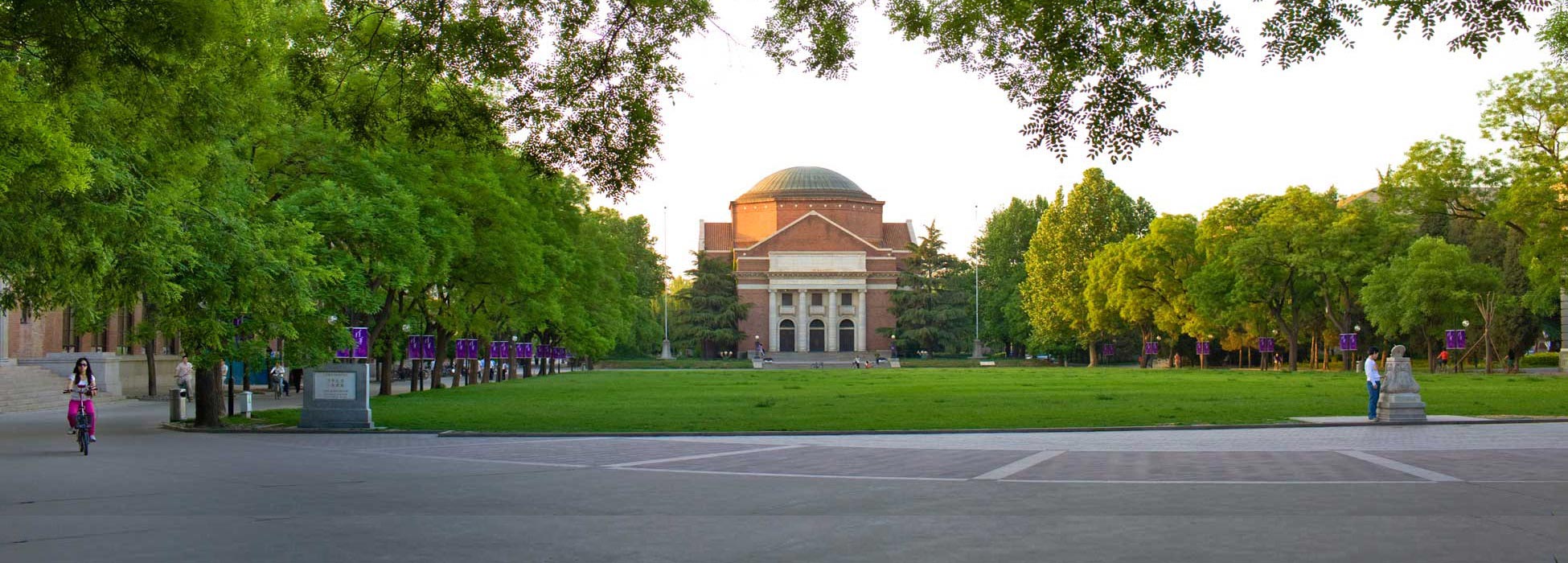
Virtual visit to Tsinghua by Sandy Harrison
I have been working virtually with the Tsinghua team (Han Wang, Huiying Xu, Shengchao Qiao, Yanghan Ren, Ziqi Zhu, and Colin Prentice) for the last 14 days. We focused particularly on…Read More >
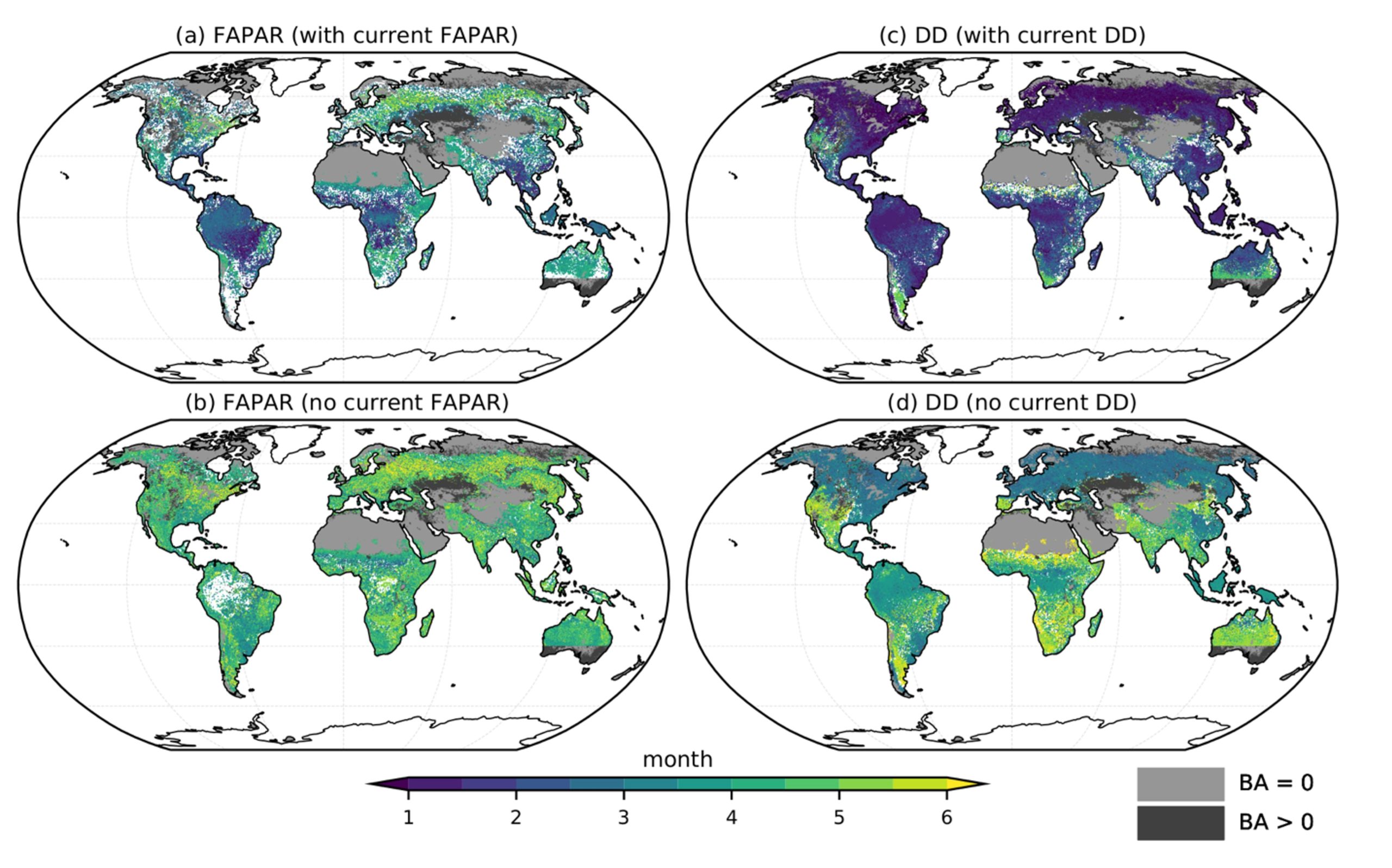
Investigating fundamental wildfire drivers by Alexander Kuhn-Regnier
My PhD began by asking the question “What are the fundamental drivers of wildfires?” Far from being the first to ask it, I searched for an aspect of this question…Read More >
The SPECIAL presence at the EGU General Assembly 2021 by Yicheng Shen
The annual EGU General Assembly is Europe’s largest and most prominent geosciences event. The General Assembly also features a job centre, artists-in-residence, and a newsletter, EGU Today, which highlights sessions,…Read More >

Classifying Land Use Practices in the Holocene by Sandy Harrison
The possibility that people had a significant effect on global climate in the pre-industrial era is still a matter for debate. The introduction and spread of agriculture during the Neolithic…Read More >