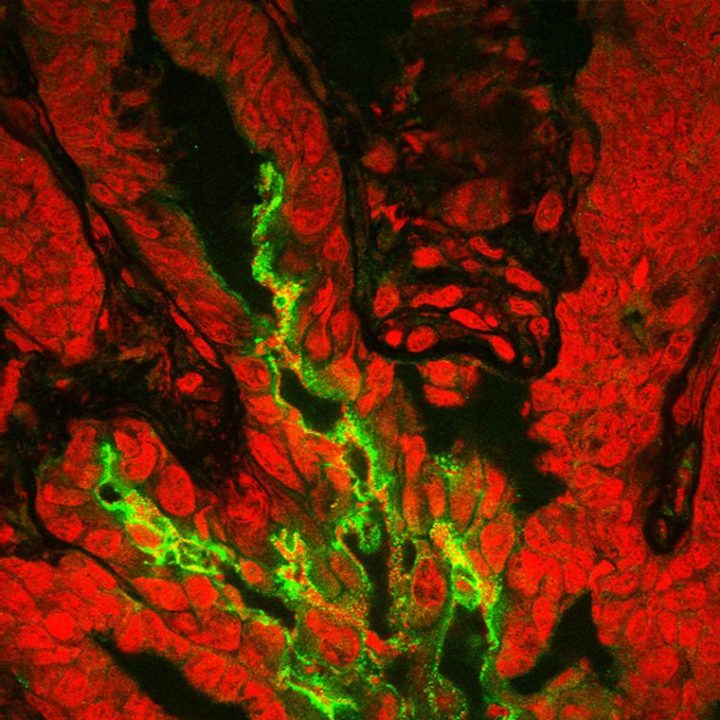
Reading food scientists have made great strides in our understanding of prebiotics – fuel for the ‘good’ bacteria in our guts – shaping health policy and benefiting the health of…Read More >
New anxiety therapy brings help to thousands more children
More young people with anxiety are able to get help faster than before, thanks to a new parent-led treatment developed by Reading researchers. Up to one fifth of children and...Read More >

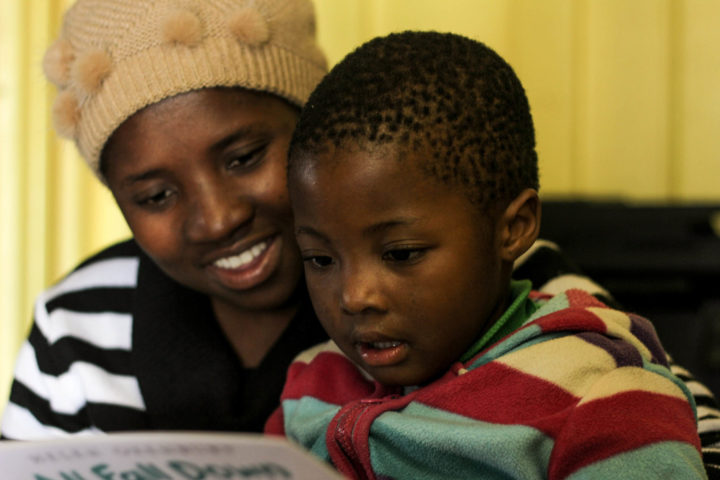
Bonding over books benefits parents and children
Simple parenting changes such as sharing and discussing picture books are steering disadvantaged children in low-income countries towards happier, more successful lives. Sitting down and looking at a picture book...Read More >
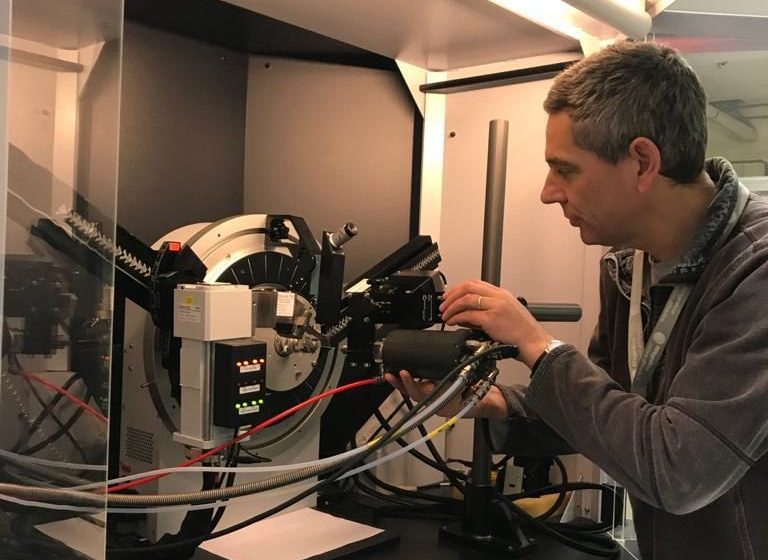
DASHing towards faster drug discovery
Speedier drug discovery is now possible thanks to Reading computing software that allows complex molecular crystal structures to be solved faster than ever before. DASH is computer software that helps...Read More >
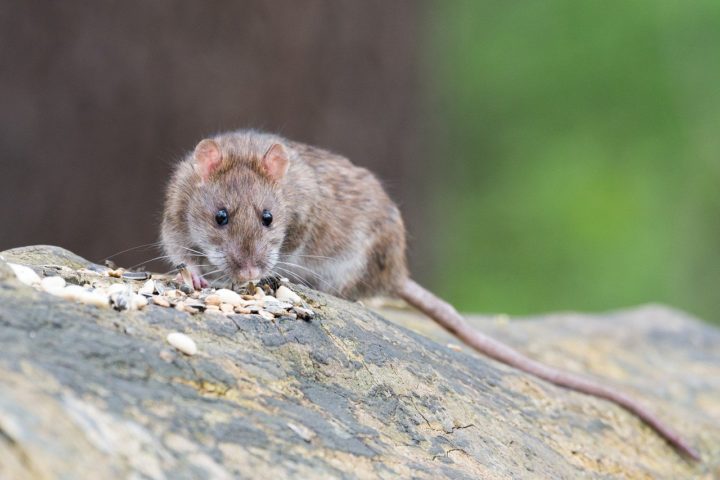
What’s your poison? Targeted control of resistant rats
Rats and mice are becoming increasingly resistant to the rodenticides we rely on for their control. Reading researchers have been monitoring the genetic changes behind resistance to commonly used rodenticides,...Read More >
Tech helps climate scientists get to grips with big data
Technologies developed at Reading to enable researchers from industry and academia to run simulations and calculations involving massive datasets have helped make the UK a world-leader in environmental data analytics....Read More >

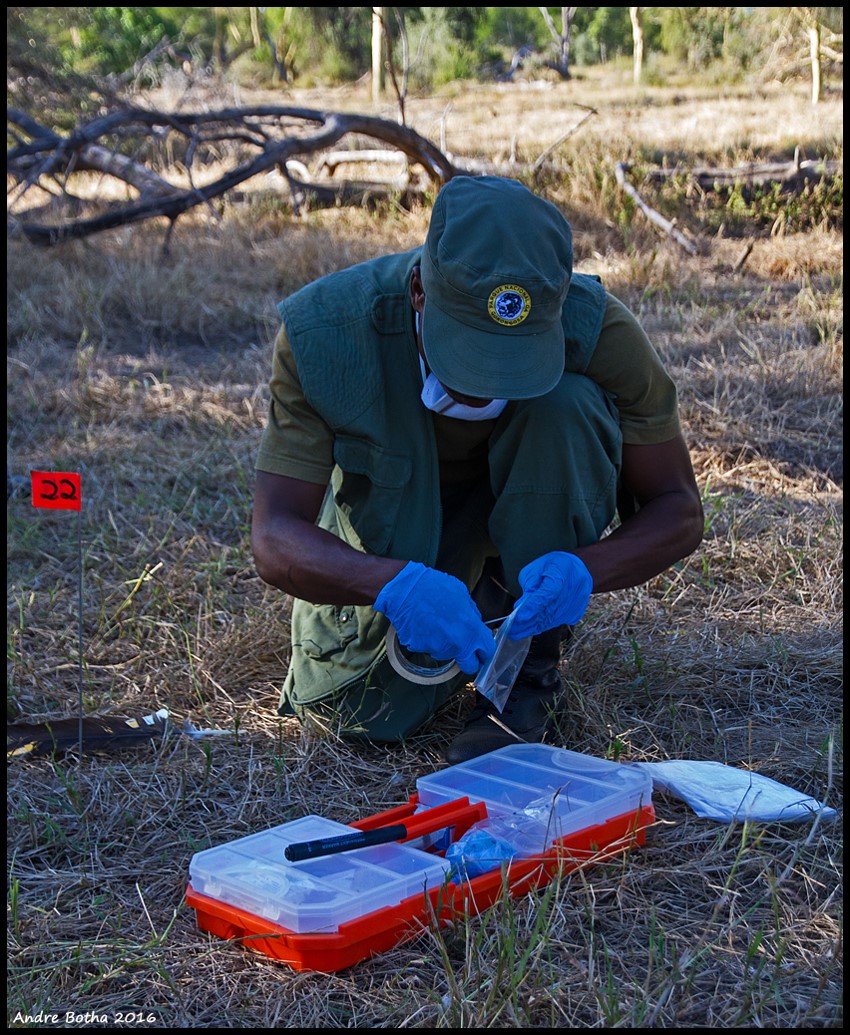
Bringing African vultures back from the brink
African vultures are rapidly becoming the world’s most threatened group of birds. Reading researchers have revealed the true scale of their plight and come up with solutions, spurring conservation action...Read More >
Producing dairy products with reduced saturated fat content
Since 2011, an estimated 3 million milk consumers each year in the UK have benefitted from research from the University of Reading which has helped reduce saturated fatty acids (SFAs)...Read More >

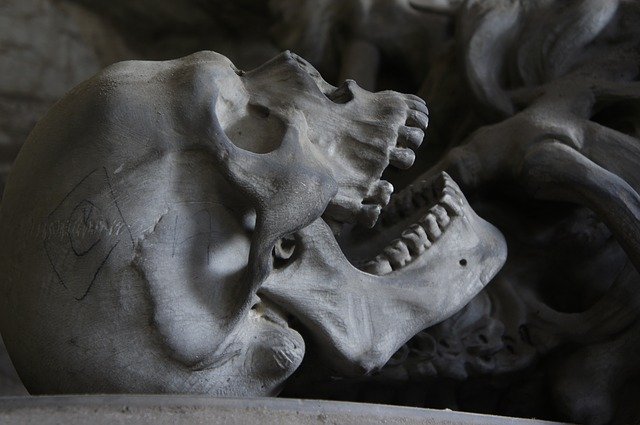
Social diversity in Roman Britain
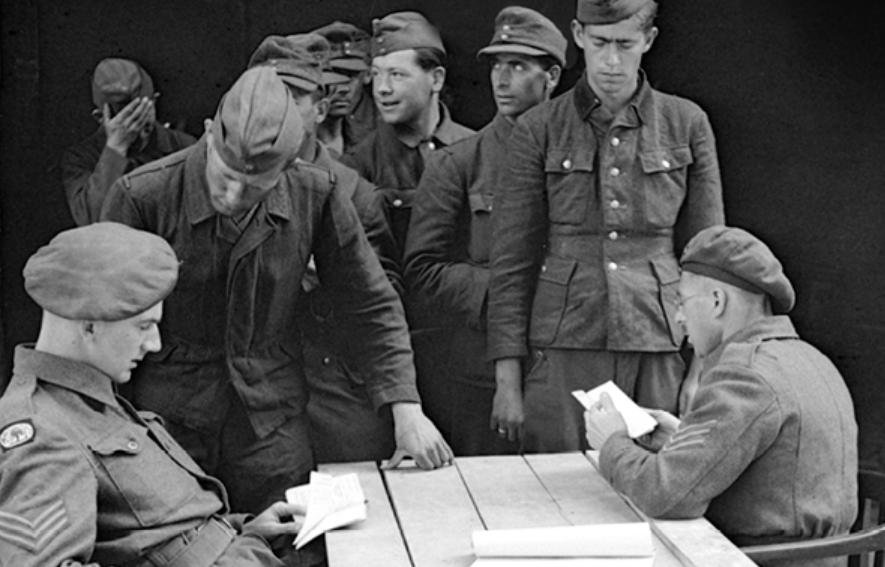
A project by Dr Hella Eckardt and colleagues in Archaeology has found that Romano-British populations were much more diverse than previously thought. Using a combination of archaeological techniques, such as isotope analysis...Read More >
Winning hearts and minds
The work of Professor Hilary Footitt, from the Department of Languages and Cultures, has highlighted the need for the military to see foreign languages as a vital part of their operation...Read More >