Skip to content
University of Reading logo
  • Home
  • About
    • FIDUCEO Vision
    • Publications
  • Creating FCDRs
    • Theoretical Basis
      • 1. Determining the Measurement Function
      • 2: Defining Uncertainty Effects
      • 3: Determining uncertainties
      • 4. Completing the Effects Table
      • 5. Generating an FCDR
    • Getting Started
    • Harmonisation
      • Theoretical Basis
        • Harmonisation approaches
        • Generating a match-up dataset
        • How to Harmonise
      • Getting Started
    • Case Studies
      • AVHRR FCDR
      • Microwave FCDR
      • MVIRI FCDR
      • HIRS FCDR
  • Creating CDRs
    • Theoretical Basis
      • 1. Establishing the processing chain
      • 2. Defining uncertainty effects
      • 3. Determining uncertainties
      • 4. Completing the effects table
      • 5. Generating a CDR
    • Getting Started
    • Case Studies
      • Aerosols from AVHRR
      • Upper Tropospheric Humidity from Microwave
      • Aerosol and Albedo from MVIRI
      • SST from AVHRR
  • Using CDRs
  • Data
    • AVHRR FCDR
    • Microwave FCDR
    • MVIRI FCDR
    • HIRS FCDR
    • Aerosol CDR
    • UTH CDR
    • Aerosol and Albedo CDR
    • SST CDR
  • Glossary
  • Archive
    • Blog
    • Documents and presentations
    • Tutorials
    • Technical Documents

Blog

The Sea and Land Surface Temperature Radiometer – high quality surface temperatures from space

Posted on
18th October 201629th July 2019

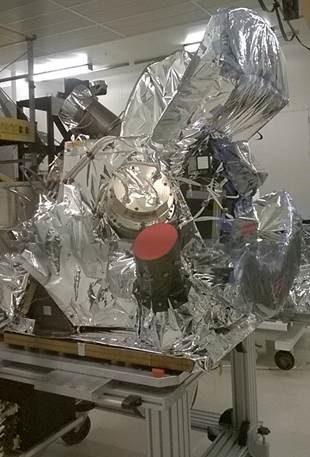
Introduction to the analyses that will be undertaken by the University of Leicester on SLSTR in 2017: background on the ATSRs, the data gap, and future plans.

The Sea and Land Surface Temperature Radiometer – high quality surface temperatures from space

Deriving an aerosol climate data record from Meteosat First Generation observations

Posted on
23rd August 201629th July 2019

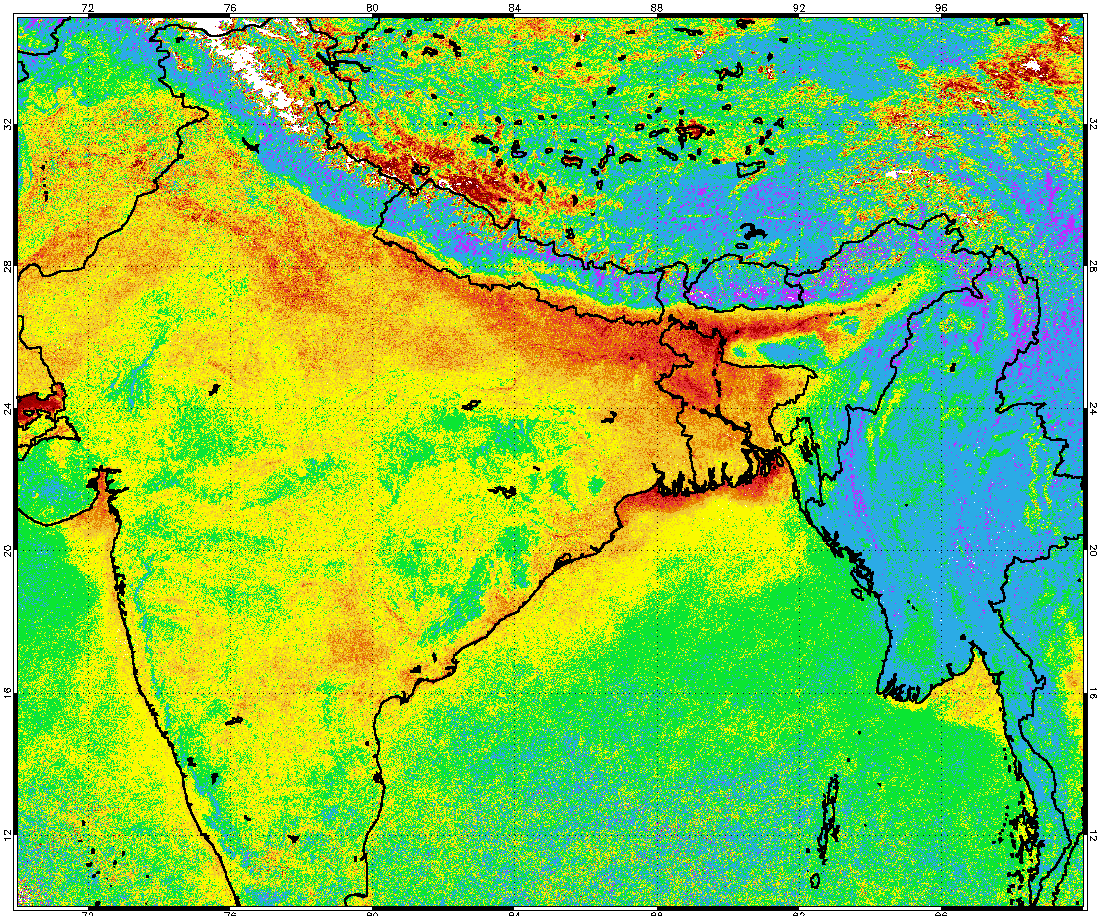
Deriving an aerosol climate data record from Meteosat First Generation observations

Deriving an aerosol climate data record from Meteosat First Generation observations

Harmonisation and Recalibration

Posted on
22nd June 201629th July 2019

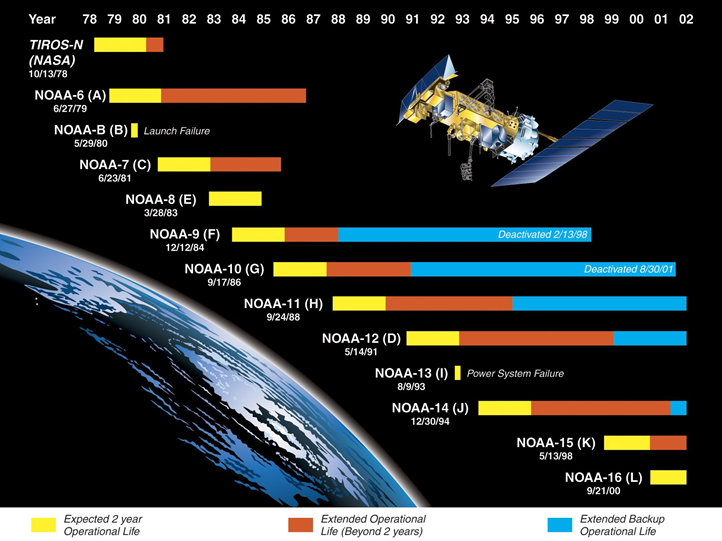
Here we describe the principles adopted within FIDUCEO for harmonising satellite data series to obtain long-term climate data records.

Harmonisation and Recalibration

Orbit drift and diurnal cycle aliasing

Posted on
13th April 201629th July 2019

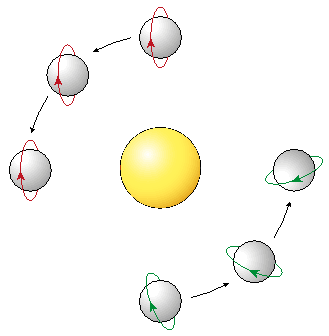
What are the problems of orbital drift and diurnal cycle aliasing?

Orbit drift and diurnal cycle aliasing

Radiosondes – providing an independent verification of satellite data

Posted on
14th January 201629th July 2019

by David Moore and Tim Trent Since the late 17th century, instruments have been developed to automatically record metrological data. As technology has advanced the methods used have also become…Read More >
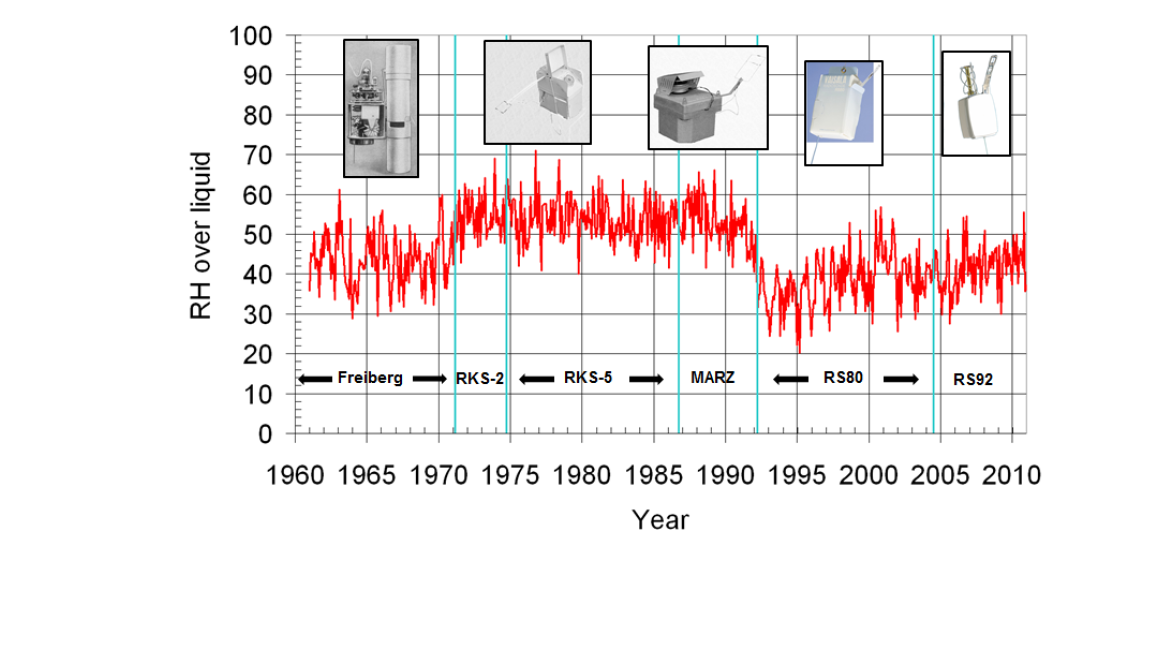
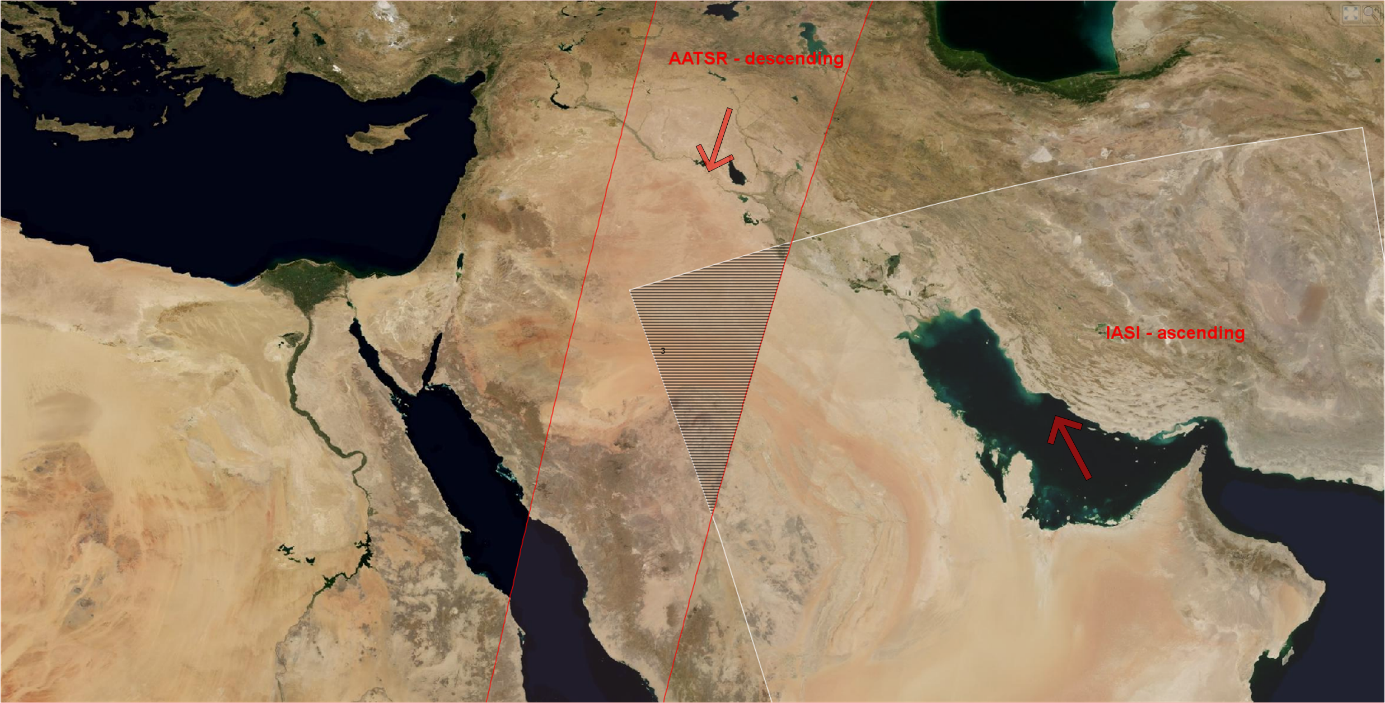
Radiosondes – providing an independent verification of satellite data

Chasing the truth – Matchup Data

Posted on
3rd December 201529th July 2019

How do we align the mathematical results with real measurement data?

Chasing the truth – Matchup Data

Recovering Meteosat First Generation spectral response characteristics

Posted on
3rd November 201529th July 2019

How do we begin to reduce uncertainties in satellite data that are generated with incorrect pre-launch characterisations?

Recovering Meteosat First Generation spectral response characteristics

How good should a Fundamental Climate Data Record be?

Posted on
5th October 201529th July 2019

What can the users expect when they obtain a Fundamental Climate Data Record? How should they use it and for what applications?

How good should a Fundamental Climate Data Record be?

Understanding users of level-1 satellite data

Posted on
27th August 201529th July 2019

Who are those users of climate-relevant Earth observations from space — and what do they need? Some interesting results from the FIDUCEO user requirements survey.

Understanding users of level-1 satellite data

Why worry about all sources of errors?

Posted on
15th July 201529th July 2019

Using sea surface temperature as an example, this blog explores the importance of assessing all sources of error in climate data.

Why worry about all sources of errors?

Posts navigation

Older posts
Newer posts

FIDUCEO has received funding from the European Union’s Horizon 2020 Programme for Research and Innovation, under Grant Agreement no. 638822

CONTACT US

  • Fiduceo-coordinator@lists.reading.ac.uk
© Copyright University of Reading
Facebook YouTube Instagram Twitter

University of Reading cookie policy

We use cookies on reading.ac.uk to improve your experience. You can find out more about our cookie policy.
By continuing to use our site you accept these terms, and are happy for us to use cookies to improve your browsing experience.

Continue using this website