Skip to content
University of Reading logo
  • Home
  • About
    • The Glastonbury Abbey Archaeological Archive Project
    • Glastonbury Abbey: Storytelling through Immersive Heritage Practice
    • Glastonbury Abbey: archaeology, legend and public engagement
    • Meet the team
  • Research
    • Monograph and Database
    • Glastonbury Stories App
    • Current Archaeology
    • Guide Book and Educational Resources
    • Digital Reconstructions
  • Digital
    • The Saxon Churches (c.700 – c.1100)
      • The Legend of the ‘Old Church’
      • Monastic landscape
      • The early monastery
      • Earliest settlement
      • Anglo-Saxon churches
    • The Cloister (c.1150s)
      • Saxon monastic buildings
      • Henry of Blois
      • Monastic Life
      • Dunstan and Monastic Reform
      • Romanesque Sculpture
      • Literacy and Learning
    • The Abbot’s Complex (c.1150 – c.1725)
      • The Abbots of Glastonbury
      • Hospitality
      • Dissolution
      • Archaeology of the Complex
      • Archaeology of Food and Drink
      • Abbey after the Reformation
    • The Lady Chapel (c.1185 – 1539)
      • Building of the Lady Chapel
      • Joseph of Arimathea
      • Architecture
      • Chapel of Joseph of Arimathea
      • Pilgrimage
    • Arthur’s Tomb (c.1331)
      • King Arthur at Glastonbury
      • Arthurian Myth
      • Royal Connections
      • The exhumation of Arthur
      • Radford’s Excavation
      • Arthur’s Tomb
  • Methods
  • Myths
    • King Arthur
    • Joseph of Arimathea
    • The Old Church
    • The Holy Thorn
  • Visit
  • Links

Methods

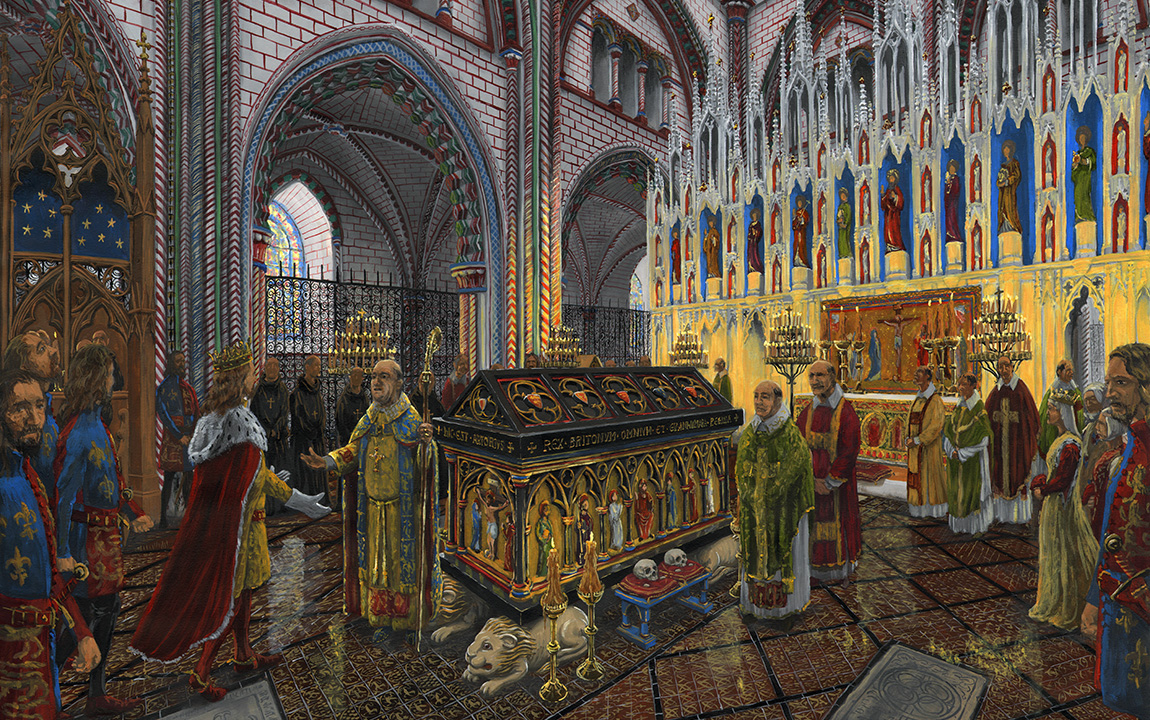
Reconstructing King Arthur’s tomb: the stuff of legends

Many visitors to Glastonbury Abbey today expect to see a visible monument to King Arthur, commemorating the popular belief that he was buried at Glastonbury in the 6th century. In…Read More >

Reconstructing King Arthur’s tomb: the stuff of legends

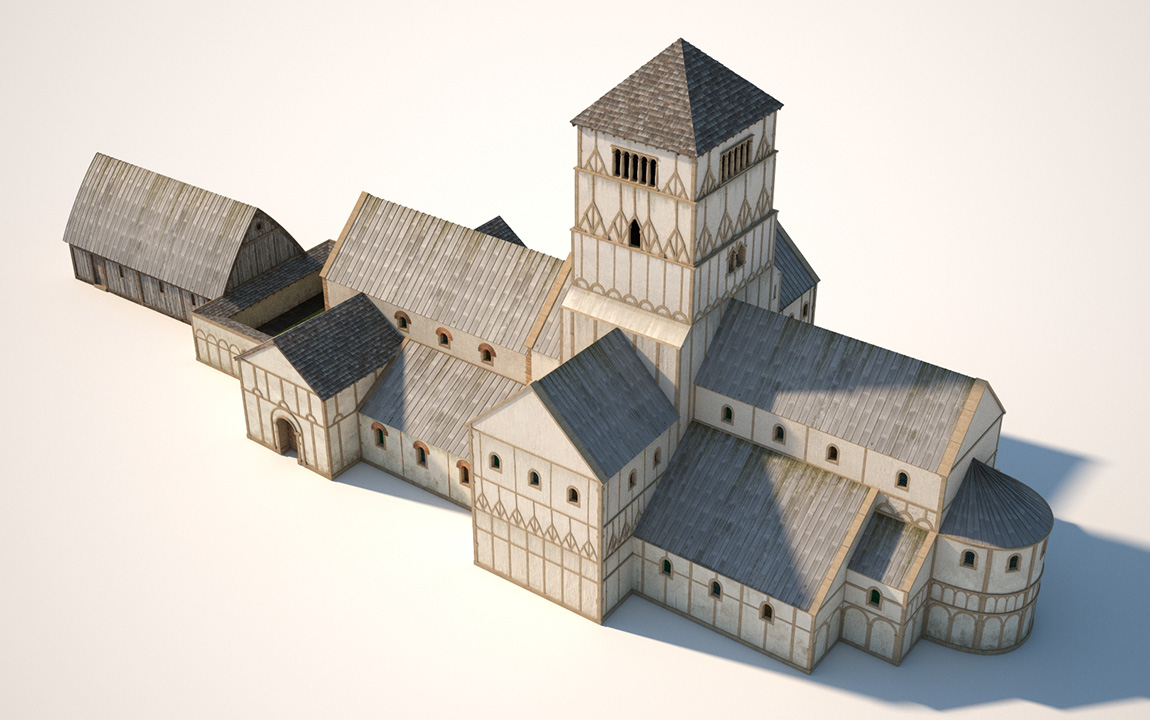
What’s in a metre? Did the first Anglo-Saxon church at Glastonbury have an apse?

When creating 3D visualisations of lost buildings we must use all the evidence available to help us define what these structures looked like (read our post on recreating lost buildings…Read More >

What’s in a metre? Did the first Anglo-Saxon church at Glastonbury have an apse?

3D visualization at Glastonbury: reimagining what’s no longer there

When creating 3D visualisations of lost buildings we must use all the evidence available. However, the evidence can often be contradictory… or perhaps not even exist at all for certain elements!
3D visualization at Glastonbury: reimagining what’s no longer there

Posts navigation

Newer posts
© Copyright University of Reading
Facebook YouTube Instagram Twitter

University of Reading cookie policy

We use cookies on reading.ac.uk to improve your experience. You can find out more about our cookie policy.
By continuing to use our site you accept these terms, and are happy for us to use cookies to improve your browsing experience.

Continue using this website